
This buyer’s guide helps you decide if a reservoir-style planter suits your routine and plants. You’ll get clear advice on when automation saves time and when a basic pot is the smarter pick.
Expect practical shopping tips — we cover price realities, shipping timelines, and that common free shipping threshold you see at checkout.
Popular models and finishes can sell out fast, so have a backup size or color ready when placing orders. We’ll also compare standard containers with reservoir designs so you know what you’re paying for: convenience or simplicity.
We’ll frame the main tradeoff plainly: these systems can simplify watering at home but cause issues if the reservoir stays full all the time. The recommendations focus on typical U.S. homes with variable light, HVAC, and tap-water differences.
Finally, a short “who should avoid them” section will save money for owners of drought-loving plants that do better without constant moisture.
Key Takeaways
- Reservoir planters can cut routine watering tasks and reduce missed waterings.
- High demand means popular colors and sizes may sell out; have backups.
- Watch the reservoir — constant saturation can harm some plant types.
- Consider price, shipping, and free shipping thresholds before checkout.
- Recommendations assume typical U.S. home conditions and tap water variability.
- Avoid these systems for drought-tolerant species that prefer dry periods.
What Self-Watering Planters Are and How They Work Indoors
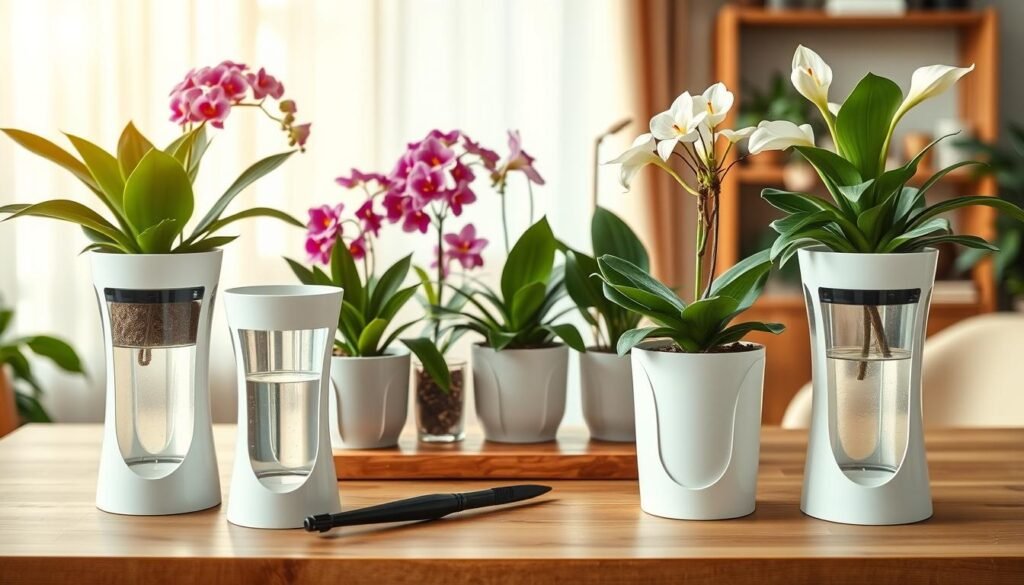
These planters store water under the root zone and let moisture move up as the plant needs it. A lower reservoir holds a supply of water while a wicking layer or soil draws moisture into the root ball.
How “roots take what they need” works: constant access cuts swings between bone-dry and soaking-wet soil. That steady supply helps thirsty houseplants avoid stress from missed top-watering sessions.
Common designs you’ll see
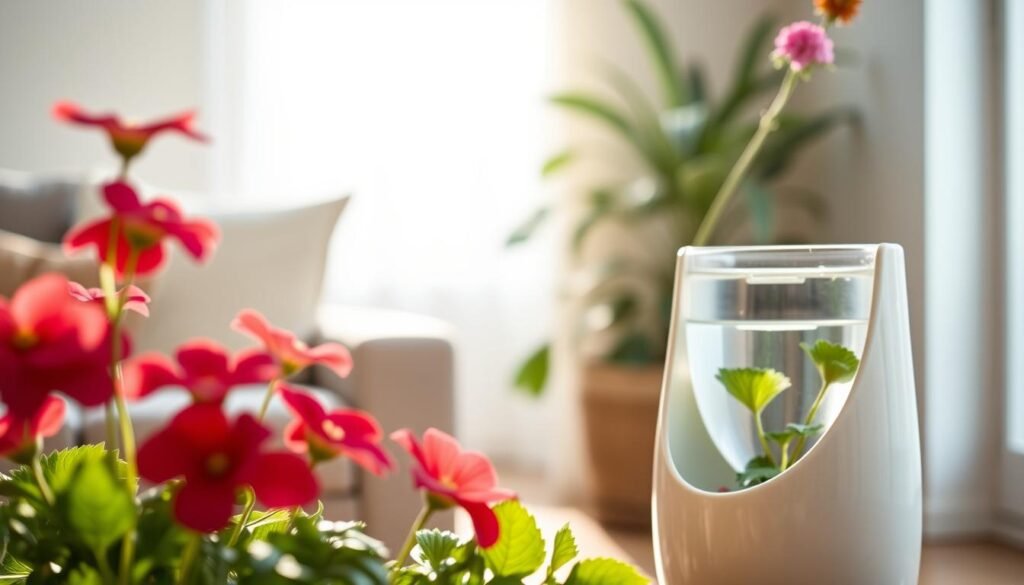
- Double-walled pot with an internal reservoir and a fill port.
- Wicking systems that pull moisture up through fabric or a soil column.
- Visible water level indicators that show when a refill is due.
Water level indicators remove guesswork. An easy-to-read gauge tells you when to top off the reservoir. This is why many brands claim you can “go weeks without watering” — but actual time varies with light, temperature, plant size, and reservoir capacity.
| Feature | Benefit | Buying tip |
|---|---|---|
| Large reservoir | Longer refill intervals | Match reservoir size to pot size and plant water use |
| Water indicator | Reduces guesswork | Choose clear, easy-to-read markers |
| Wick or divider | Controls moisture transfer | Let plants establish before keeping reservoir full |
Start by observing how your plant draws water. Watch uptake for a week or two before deciding whether to keep the reservoir topped. Understanding these basics will help you decide which features are worth paying for when shopping.
Pros of Self-Watering Pots for Indoor Flowers
A visible water gauge and a roomy reservoir make low-maintenance care realistic for many homes. These features let you top off a reservoir and move on, rather than dragging a plant to the sink multiple times each week.
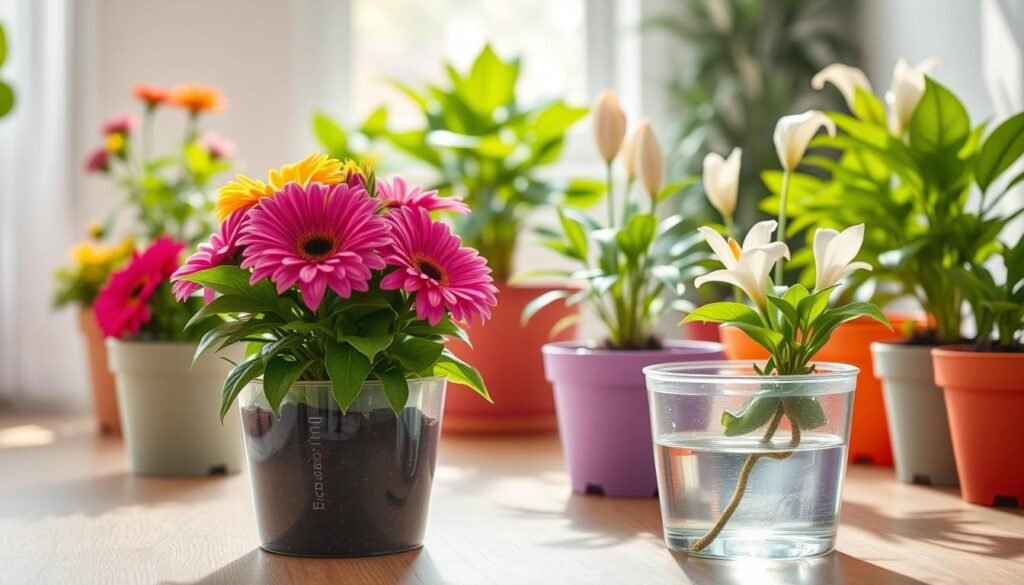
Consistency matters: steady moisture helps many flowering plants avoid stress, bud drop, and uneven blooming. Regular root-zone moisture supports steady growth and fewer setbacks during busy weeks.
Practical benefits
- Fewer chores: topping a reservoir is quicker than repeated full waterings during hectic schedules.
- Cleaner home: less soil splash, fewer towels, and no wet floors from frequent sink fills.
- Confidence with indicators: water-level visibility reduces panic-watering when surface soil looks dry but roots are fine.
- Better long-term display: modern planters and neat reservoirs keep a small indoor garden tidy and polished.
“Weeks between refills is realistic when a model has a large reservoir and a clear gauge.”
Cons and Common Problems to Watch For
Even well-made reservoir planters bring tradeoffs that buyers should know before they click buy. These systems help many people, but they can cause trouble if you assume “set it and forget it” applies to every plant.
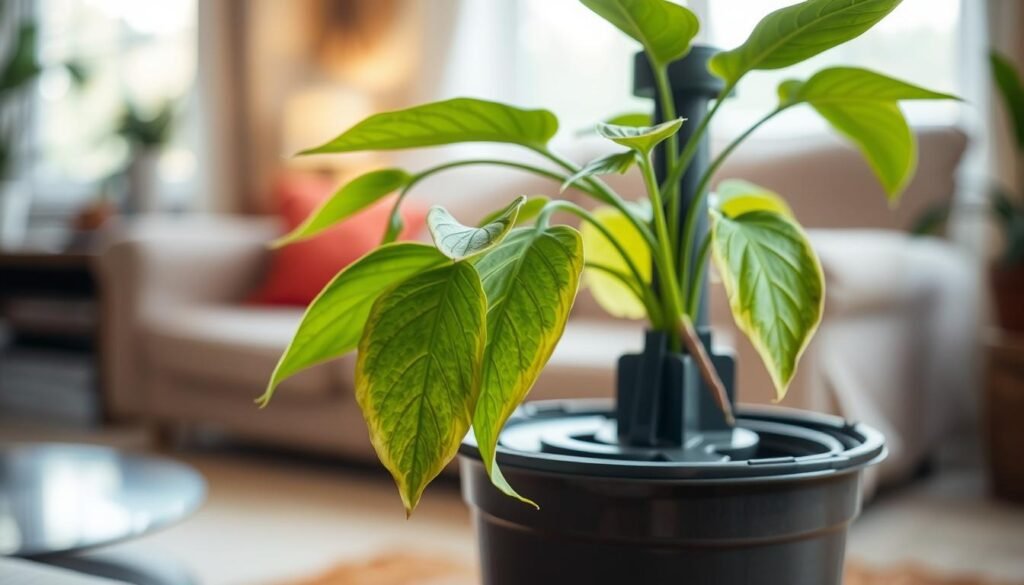
Overwatering risk when the reservoir is always full
Keeping the reservoir full nonstop can reduce oxygen at the roots. That leads to soggy media, slower recovery from stress, and higher fungus gnat risk.
Tip: Give some pots an “empty day” occasionally to let roots breathe and slow pests.
Salt and mineral buildup from tap water over time
Tap water often leaves mineral deposits in soil and reservoir walls. Over months this can dull flowering and harm growth.
Prevention: flush the soil now and then, do an occasional top watering to rinse salts, and empty the reservoir before refilling.
Not every plant matches constant moisture
Some species prefer partial dry-downs. Two identical planters in one room may need different refill schedules because plants draw water at different rates.
Compatibility matters: match the planter to the plant’s habits, not just the pot’s claims.
“Make the cons manageable: routine flushing and monitoring fix most issues before they start.”
| Problem | What it causes | Simple fix |
|---|---|---|
| Always-full reservoir | Root oxygen loss, gnats, slow growth | Let reservoir run low weekly; water from top occasionally |
| Mineral buildup | Salt accumulation, reduced flowering | Flush with plain water; use filtered water occasionally |
| Plant mismatch | Poor performance for dry-loving species | Choose a different pot or reduce reservoir use |
Who Should Buy Them and Who Should Avoid Them
Think of a reservoir planter as a safety net when life gets busy. It keeps soil evenly moist so plants stay healthy during trips or weeks with little attention.
- Frequent travelers and people who forget weekly watering.
- Households juggling many plants that need steady moisture.
- Beginners in container gardening who want fewer surprises.
Who should skip them:
- Hands-on growers who prefer to check soil by touch.
- Growers who intentionally let soil dry between waterings.
- Owners of drought-loving plants that hate constant wetness.
Quick decision shortcuts
Signs your plant wants consistent moisture: fast wilting, thin or limp leaves, and steady growth that slows when topsoil dries.
Signs it needs drying: thick, fleshy leaves, stem rot issues, or slow drainage after top watering.
“Match the planter to the plant’s natural rhythm — don’t force every species into the same system.”
| Shopper profile | Why it’s a fit | Quick tip |
|---|---|---|
| Frequent travelers | Reduces missed waterings while away | Choose larger reservoir sizes |
| Busy families | Lowers daily chores and mess | Pick models with clear indicators |
| Dry-loving plant owners | May cause overmoisture and rot | Use traditional pot with good drainage |
What to Look For When Comparing Plant Pots and Self-Watering Pots
When shopping, focus on features that affect plant health before you chase color or trend. A short checklist makes comparisons fast and practical.
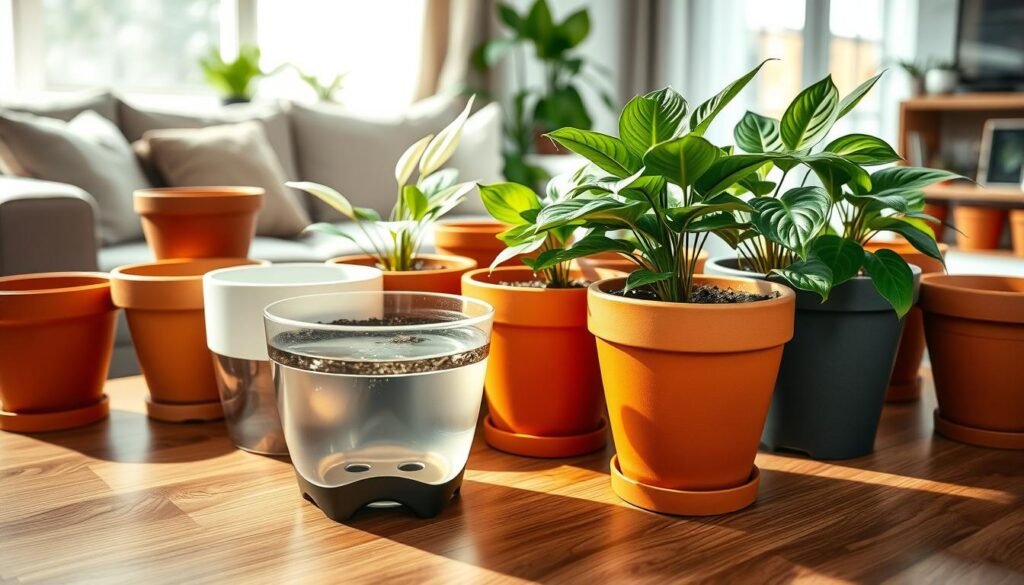
Reservoir size and refill rhythm
Match capacity to your schedule. Larger reservoirs stretch refill intervals but raise the risk of overwet media if a plant draws slowly. Think one extra refill cycle a week, not a permanent full tank.
Indicator readability and accuracy
Look for clear marks and a steady float. A visible gauge that moves reliably saves time and reduces guesswork on day-to-day watering checks.
Size, material, and style choices
Pick pot diameter and depth to fit the root mass. Common retail sizes include 6″, 6.5″, 8″, 9.5″ and 11.5″.
Ceramic planters add décor weight and signal quality. Modern plastic keeps weight down and lowers the risk of breakage when moving or refilling.
Availability, price, and shipping signals
Sold-out listings (like small Aqua Core colors or macramé sets) mean pick a backup finish or size. Check price impacts from premium ceramics and whether orders hit a free shipping threshold before you place multiple buys.
Accessories and quick comparison framework
- Saucers and hangers change placement options.
- Consider delivery packaging if shipping heavy ceramics.
| Feature | Why it matters | Quick tip |
|---|---|---|
| Reservoir size | Refill frequency | Match to plant uptake |
| Indicator | Daily checks | Choose clear floats |
| Material | Weight & style | Ceramic for display, plastic for ease |
“Prioritize drainage and reservoir design, then convenience and style.”
Conclusion
The choice is simple: a self watering planter suits you if you want steady moisture and fewer chores; a classic pot gives tighter dry-down control when that matters.
Pros vs cons in one line: steady root moisture can boost blooms and cut weekly watering, but only when a plant’s needs match the reservoir approach.
Match containers to how each plant drinks. Fast drinkers gain from consistency; dry-soil lovers need occasional drought and a different plan.
Buyer tips: pick the right size, prioritize an indicator you’ll actually check, and avoid paying extra for features you won’t use. Compare price and shipping across listings and use free shipping only when it fits your real needs.
Orders can be delayed by sell-outs, so add a backup color or size at checkout. The best pot is the one that keeps your plants healthy and fits your routine.