
Small pots and limited soil mean your houseplant loses nutrients fast. In an apartment or home, blooms depend on what you add back. This short guide explains NPK so labels make sense and offers a gentle monthly routine to boost blooms without burned roots.
NPK stands for nitrogen, phosphorus and potassium — the trio that fuels leaf growth, root strength and flowering. Use lighter feeding than you would outdoors to avoid salt build-up and tip burn. Less is more in containers.
This guide previews how to pick between liquid mixes, granular blends and slow-release options, and when a bloom booster helps versus when it’s overkill. I’ll show NPK examples with best-use scenarios so you can match a product to a growth stage or mixed collection.
Note: feeding supports flowering, but it won’t fix low light, erratic watering, or root issues. Address those first, then follow a spring–summer feeding plan and a gentler winter slowdown.
Key Takeaways
- Small pots need regular, gentle replenishing of nutrients to sustain blooms.
- NPK = nitrogen, phosphorus, potassium; each has a clear role in growth and bloom.
- Choose liquid, granular, or slow-release based on your routine and pot size.
- Feed lightly in containers to avoid salt crust and root burn.
- Fix light and watering issues before increasing feedings.
- Use a spring–summer schedule and reduce feeding during winter dormancy.
What indoor flowering plants actually need from fertilizer
Housepots lose stored food fast. Repeated watering, tight root space, and limited soil mean the mix can’t hold nutrients long. That makes steady, low-dose replenishment the safest route.
Why potting mix runs out
Water leaches soluble elements away over time. Roots also fill the pot and outgrow available soil. A contained volume simply cannot replace what the plant consumes.
Needs vs. stress — quick checklists
- Needs feeding: slow growth, paler new leaf color, fewer buds.
- Stress signs: sudden droop after watering, crispy edges from low humidity, stalled growth under low light.
Protect the root system: why less is more
Salts build up in pots and harm fine roots. If the root system is damaged — rootbound, rotting, or recently repotted — stabilize water, drainage, and light before adding nutrients.
| Issue | Likely cause | First action | When to add nutrients |
|---|---|---|---|
| Yellowing new leaves | Low macronutrients | Moisten soil; check drainage | After soil is evenly moist |
| Sudden wilting | Watering error or root rot | Adjust watering; inspect roots | Only if roots are healthy |
| Stalled buds | Low light or nutrients | Increase light; monitor | Try low-dose feeding once light is adequate |
| Salt crust on rim | Overfeeding | Flush pot with water | Reduce dose; resume conservatively |
Start low, watch response, and adjust slowly. Understanding what plants need versus what they lack saves money and prevents harm to plant health.
NPK explained for blooms: nitrogen, phosphorus, and potassium made simple
Look at NPK like a recipe: each number shows whether a product pushes leaf growth, bloom strength, or resilience. NPK numbers on a fertilizer label are percentages — higher numbers mean a stronger product per dose, so dose control matters in small pots.
Nitrogen and healthy foliage
Nitrogen fuels green tissue and steady growth. Enough N supports healthy foliage and steady plant growth, but too much encourages leaves at the expense of buds. Use moderate amounts when you want lush foliage without losing bloom potential.
Phosphorus and stronger roots + bigger blooms
Phosphorus helps root development and bloom formation. Higher phosphorus can boost bud set, but in containers buildup is a risk. Balance is safer than chasing big numbers; small, regular doses work best for lasting bloom growth.
Potassium for resilience and flower quality
Potassium improves stress tolerance, enhances flower quality, and supports overall plant health. It helps plants handle variable light, watering, and temperature — practical benefits when conditions fluctuate indoors.
Micronutrients to scan on the label
Scan every label for micronutrients like iron, zinc, boron, and manganese. These trace elements prevent pale new growth even when NPK seems correct. A small boost of micronutrients often fixes subtle deficiencies faster than changing macronutrient amounts.
“Read the three numbers and the trace list — that small extra detail often explains weak buds or pale leaves.”
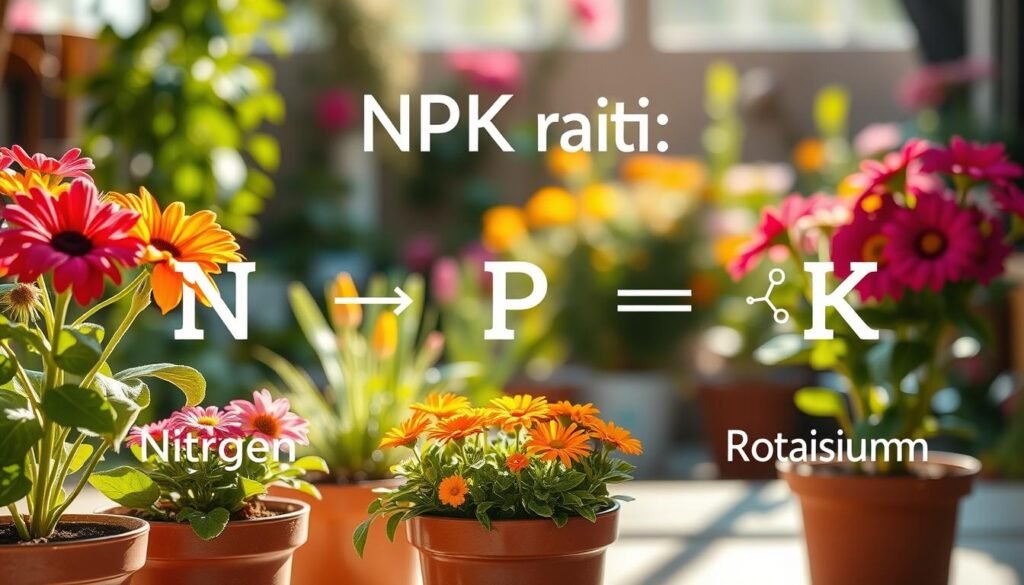
Quick tip: once you understand NPK roles and concentration, choosing ratios for budding, full bloom, or recovery becomes straightforward and safer.
How to choose fertilizer for indoor flowering plants
Choosing the right feed comes down to stage, schedule, and how much hands-on care you want. Start with what the plant is doing now—bud set, full bloom, or recovery.
Best NPK ratios by phase
Budding: a slightly higher phosphorus and potassium ratio helps set buds. Try a 3-5-4 style mix in small doses.
Blooming: a balanced push with mid-range phosphorus and potassium supports fuller flowers; think 5-10-5 used carefully.
Post-bloom recovery: move back to a balanced 3-3-2 or similar to rebuild leaves and roots before the next season.
When to use bloom boosters or a balanced mix
Bloom boosters can give a short-term push when a healthy specimen is ready to flower. Use them sparingly and only on well-lit, stress-free pots.
Balanced houseplant fertilizer is safer for mixed collections and reduces the risk of nutrient skew or burn.
Comparing forms: liquid, granular, and slow-release
Liquid fertilizer acts fast and is easy to dilute to half-strength. Granular is cheap but can give uneven dosing. Slow-release fertilizers last 3–6 months but are harder to pause if conditions change.
Organic vs. synthetic — what to expect
Organic fertilizers support soil biology and are gentler, though some have odors (seaweed, fish). Synthetic fertilizers are odor-free and precise but need careful measuring to avoid root burn.
| Choice factor | Best match | Pros | Cons |
|---|---|---|---|
| Weekly care | Liquid fertilizer | Fast, precise dosing; easy to adjust | Requires frequent mixing |
| Low-maintenance months | Slow-release fertilizers | Set-and-forget for 3–6 months | Hard to stop if overfed |
| Budget conscious | Granular | Inexpensive; long shelf life | Uneven distribution; dosing tricky in small pots |
| Soil health focus | Organic fertilizers | Builds microbes; gentle feeding | May smell; slower nutrient release |
“Match product type to growth stage and season, then err on the side of lighter doses.”
Quick buyer tips: pick clear labels with container-specific dosing, look for half-strength instructions, and match the product to your spring-summer schedule and pot size.
Top fertilizer types for indoor plants and when to use each
Different product forms meet different needs: quick-response liquids, slow-release beads, and supportive supplements.
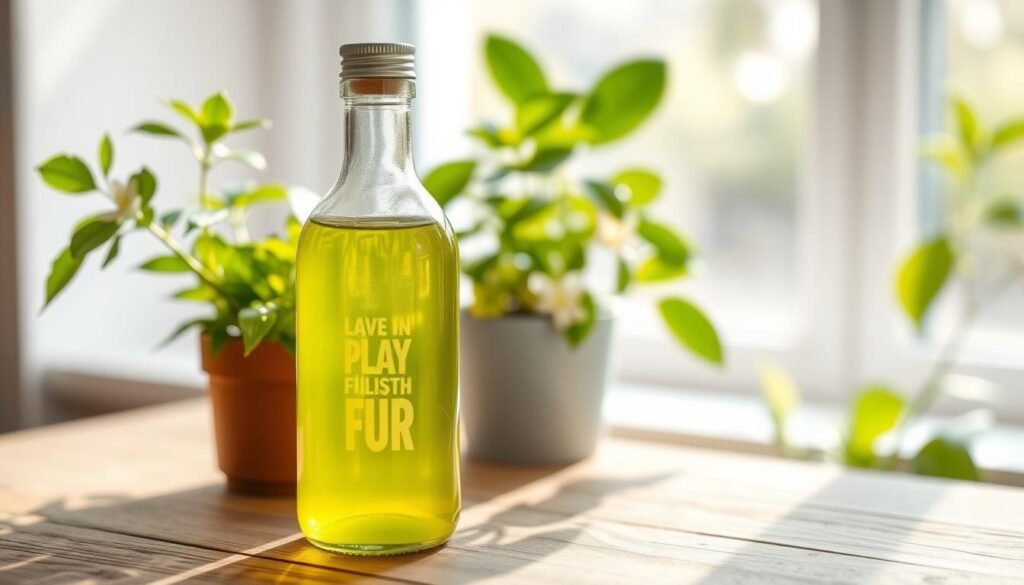
Liquid concentrates for fast results in spring and summer
Liquid concentrates deliver nutrients quickly during the active growing season. Mix them into your watering routine in spring and summer to see fast color and bud response.
They suit sensitive houseplants because you can use very small amounts and adjust dose by time. Use half-strength directions until you learn how a pot reacts.
Granular and slow-release options for steady feeding
Granular and slow-release products feed steadily as you water. A true slow-release can last 3–6 months in a container.
This approach works well if you want fewer applications and predictable amounts over time. It’s a good match when your schedule is busy.
Caution: if light drops or you overwater, nutrients still build up. Match these options to stable conditions and check the rim for any salt crust.
Supplements that aren’t complete nutrients
Vitamin and hormone blends like Superthrive support the root system during stress and recovery. They are great when repotting or rebuilding a stressed specimen.
Do not treat them as a full NPK program. Use supplements alongside a gentle base regime to avoid gaps in bloom needs.
“Pick the type that fits your routine: control, low effort, or targeted recovery.”
| Need | Best match | Pros | Cons |
|---|---|---|---|
| I want control | Liquid concentrate | Fast action; adjustable amounts; minimal smell | Requires regular mixing during spring summer |
| I want low effort | Slow-release granules | Set-and-forget for months; easy storage | Hard to stop if overapplied; can accumulate |
| Rebuilding a stressed pot | Supplement + gentle base | Supports roots; eases recovery | Not a complete nutrient program on its own |
Buyer’s guide: what to look for before you buy
Start with how you’ll use the product across the season. Pick one you can scale up during the growing season and scale back in the winter months without waste.
Match product to season and routine
Choose a formula that fits short pot cycles and limited soil. Liquids give accurate control; high-number mixes work only if you can measure tiny amounts.
Concentration and dosing control
Make sure caps, teaspoons, or small-batch mixing instructions are included on the sticker. If dose steps are unclear, pass on that brand.
Mixing directions and half-strength options
Look for clear per-gallon guidelines and explicit half-strength notes. Start spring feedings at half strength for the first few applications.
Container-first checklist
- Choose formulas labeled safe for pots and small soil volumes.
- Confirm easy dose control (measured caps or clear spoon guidance).
- Avoid products marketed only for garden beds or aggressive bloom boosters.
| Buyer concern | What to look for | Red flag |
|---|---|---|
| Easy dosing | Measured cap or teaspoon/gallon chart | Vague “use sparingly” text |
| Season flexibility | Instructions for reduced winter use | No guidance for months with low growth |
| Container safety | Label mentions pots, soil volume, or half-strength | Only garden or field directions |
“The best purchase matches your watering routine and lets you adjust gently as your pot responds.”
Recommended fertilizers and best-use scenarios (NPK-based picks)
These NPK-based picks match real needs: gentle bloom support, a targeted push at bud set, steady monthly top-dress, and recovery aids after repotting. Use the short notes below to pair a product to your pot size and seasonal routine.
Gentle bloom support: Big Bloom Liquid Plant Food (0-0.5-0.7)
Best use: low-risk, regular feed when you want steady bud development without salt build-up. Its very low analysis makes it ideal for sensitive flowering houseplants and edible containers.
Flowering push: Age Old Liquid Bloom (5-10-5)
Best use: a bloom and fruit set boost when light, water, and roots are already healthy. Use short runs during strong light and stop if growth stalls.
Balanced organic feeding: Age Old Fish & Seaweed (3-3-2)
Best use: a flexible all-round option. Apply as a soil drench or a light foliar spray to feed mixed collections without aggressive NPK swings.
Monthly top-dress option: Happy Frog All Purpose Dry (6-4-5)
Best use: easy monthly top-dress that adds microbes and mycorrhizae. Good when you prefer fewer mix sessions across growing months.
Foliage-first companion: Age Old Liquid Grow (12-6-6)
Best use: support leafy indoor plant collections where strong foliage matters more than blooms. Pair with a bloom-specific product when a pot needs flower support.
Stress and repotting support: Superthrive
Note: Superthrive is a vitamin/hormone supplement (not a complete feed). Use small doses at transplant or after shock, then resume a complete program when roots recover.
“Even the best brand won’t help if dose and timing are wrong — consistency, small amounts, and seasonal adjustment beat heavy feeds.”
A safe monthly fertilization routine for blooming houseplants
A steady monthly schedule keeps soil chemistry gentle and predictable, which helps buds set reliably. Pick one consistent day each month (or every 2–4 weeks during the active growing season) and tie feeding to a normal watering task. This makes the routine easy to remember and reduces dosing errors.
Monthly baseline (spring–summer)
During spring and summer, feed about every 2–4 weeks. Choose a gentle formula and stick to a set day so watering and nutrient timing align.
Starting in early spring
Begin at half strength. Use half the recommended dose for the first two or three applications as light increases and growth resumes. This helps the root system adjust without shock.
Adjusting in fall and colder months
In fall cut frequency and strength. Reduce to once every 6–8 weeks or pause entirely in winter to prevent soil salt buildup in small pots.
Step-by-step application
- Check moisture; if the soil is drought-dry, moisten before feeding.
- Mix the dose exactly per label or at half strength when starting.
- Apply evenly around the root zone; avoid heavy contact with leaves.
- Water lightly so the solution moves through the soil; don’t leave the saucer flooded.
When to pause feeding
- Pause if a pot is very dry or drooping from watering issues.
- Stop during long low-light periods or while the root system recovers after transplant shock.
- If white crust or tip burn appears, flush the soil with plain water and resume later at a lower dose.
DIY add-ons — use caution
Small home remedies can help but test gently. Coffee grounds add nitrogen but can acidify soil if overused. Crushed eggshells supply calcium slowly but may raise pH for acid-loving species.
Banana peels add potassium—chop or blend before adding to avoid pests. Epsom salt can supply magnesium; mix 1 tbsp per gallon monthly only when deficiency signs appear.
Tip: Indoor success comes from consistent, small doses over time—don’t try to fix low light or watering problems with heavy feeding.
| Season | Frequency | Strength |
|---|---|---|
| Spring–Summer | Every 2–4 weeks | Half to full (start half strength) |
| Fall | Every 6–8 weeks | Half strength |
| Winter | Pause or minimal | None to very light |
Conclusion
Choose one simple product that matches your pots and use it consistently. Start with what your houseplants need, then pick the easiest formula you can apply correctly at home.
N supports leafy growth, P helps roots and bud set, and K boosts resilience and flower quality—read the three numbers and act accordingly.
Remember: limited soil means nutrients leave fast, but errors concentrate quickly. Use light doses, begin at half strength in early spring, and cut back as growth slows to avoid salt buildup.
Watch new shoots, bud formation, and leaf color. Adjust the program based on response rather than strict rules.
Next step: pick one suitable product for your collection, commit to a simple monthly routine, and refine it with the season.