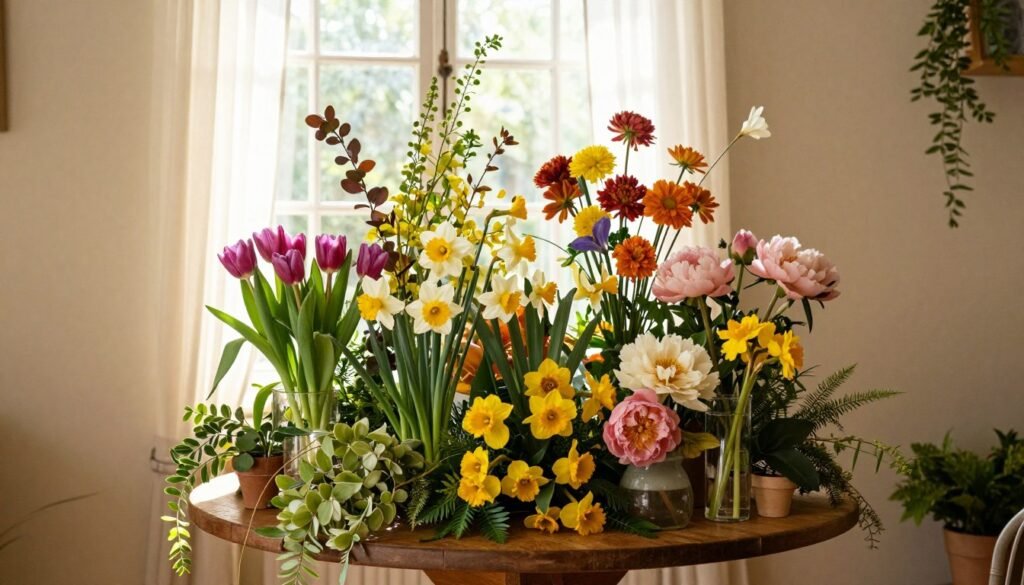

Did you know that a 2019 study found people with houseplants report measurable boosts in mood and focus? That surprising stat shows how much impact a simple arrangement can have on our daily life.
We believe every room in the home deserves a small touch of nature. In Los Angeles, designers lean into biophilic design to bring the garden feel into living spaces.
Creating a seasonal indoor flower display is a simple way to change the energy of a room. We show how to pick blooms by time of year, mix color and foliage, and keep houseplants healthy so your home always feels fresh.
Our tips help you make a focal point that fits any space, from a cozy corner to a bright living room. We guide you from the first day of spring to the quiet of winter with practical, polished ideas.
Key Takeaways
- Small arrangements can lift mood and improve focus in the home.
- We recommend choosing blooms by time of year for a fresh look.
- Combine houseplants and cut stems for lasting color and texture.
- Biophilic touches make living areas feel connected to the outdoors.
- Our guide keeps displays intentional, easy to maintain, and polished.
Why Your Home Needs a Seasonal Indoor Flower Display
A well-chosen plant can turn a plain room into a thoughtful, lived-in space.
We find that plants bring lasting life to any corner. Green leaves calm the eye, while blooms add a point of focus that shifts over time.
Small touches—an orchid on a desk or an anthurium by the front door—make a home feel warmer and more cared for. They act like quiet decor that grows, not a static object that fades.
Choosing the right plant is like choosing art: it should suit your space, match your care routine, and add the right color or texture.
- Plants transform a flat room into a finished space and add ongoing life.
- Flowering varieties give steady beauty and make guests feel welcome.
- A well-picked piece can be a weekly joy, a memorable gift, or a centerpiece that lasts.
By integrating indoor plants, we keep a fresh aesthetic without replacing cut stems constantly. It is an easy way to make any room feel more intentional and cared for.
Selecting the Right Plants for Your Indoor Space
Choosing plants that match your room’s light is the fastest way to ensure long-term success. A small bit of planning saves time and fuss later.
Assessing Light Requirements
Start by observing the window at different times of day. Note bright, direct sun and areas of gentle, indirect light.
Some plants do best right at a bright window. Others prefer a few feet back where light is softer. Fiore’s guide to flowers in season is a great companion when planning color for your home.
Choosing the Right Pot
The pot frames your plant and affects soil and water behavior. Pick one with a drainage hole to avoid waterlogged roots.
- Use a saucer to protect surfaces and empty excess water.
- For beginners, buy from a trusted source for healthy, forgiving specimens for your room.
- Match pot scale to the plant so the pot supports, not competes with, the bloom.
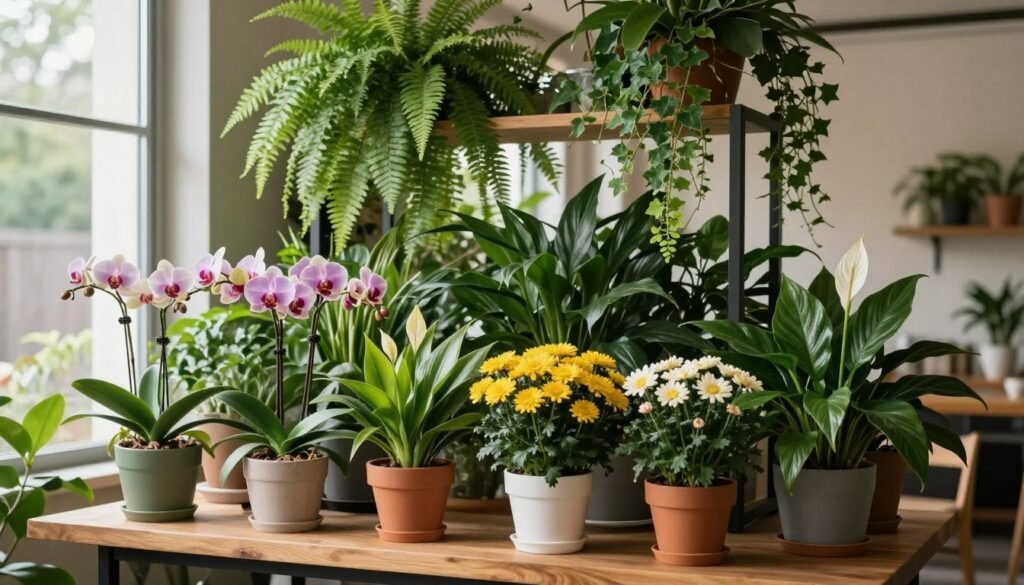
| Light | Pot | Care Tip |
|---|---|---|
| Direct sun (south window) | Breathable ceramic with drain | Water when top inch of soil is dry |
| Bright, indirect | Medium pot, drainage hole | Check soil moisture twice weekly |
| Low light | Smaller pot to prevent overwatering | Reduce water; prefer tolerant varieties |
Winter Blooms to Brighten the Coldest Months
Winter offers a quiet chance to bring bright, living color into our rooms. We choose varieties that tolerate shorter days and reward us with strong scent and bold blooms.
Amaryllis for Holiday Drama
Amaryllis bulbs bloom within four to six weeks when forced indoors. We like grouping several bulbs in a glass bowl with pebbles to prevent rot and to create a luxe focal point.
Christmas Cactus Care
The Christmas cactus hails from Brazilian rainforests and offers tropical charm. Buds form along segmented, succulent leaves and the plant blooms for four to six weeks in winter.
Paperwhites for Fragrance
Paperwhites bloom in two to three weeks and make an immediate impact when planted in numbers. Choose fragrant varieties like ‘Inbal’ or ‘Ariel’, and pre-cool bulbs before moving them to a warmer, brighter spot to start budding.
“A well-timed bulb brings hope to the grayest day.”
| Plant | Bloom Time | Care Tip |
|---|---|---|
| Amaryllis | 4–6 weeks | Use pebbles in a glass bowl; keep soil slightly moist |
| Christmas cactus | 4–6 weeks | Bright, indirect light; moderate water when topsoil dries |
| Paperwhites | 2–3 weeks | Pre-cool bulbs; plant densely for a full bouquet effect |
| Phalaenopsis orchids | Several weeks | Place among branches and moss for contrast; avoid direct sun |
Springtime Favorites for a Fresh Start
This season we reach for hardy pots that bring swift color into the home. Cyclamen blooms from November through April and offer white, pink, purple, or red tones that lift a room after winter.
If you’re looking for an easy swap, cyclamen pairs beautifully with primrose and white blooms to create a lively vignette. Primrose adds a soft fragrance and works well in containers or along a garden border.
We like keeping these varieties in their nursery pots for simple care. Use moss or extra greenery to hide containers and keep watering easy. Cyclamen hederifolium is the hardiest choice and gives fragrant pink blooms that do double duty indoors and out.
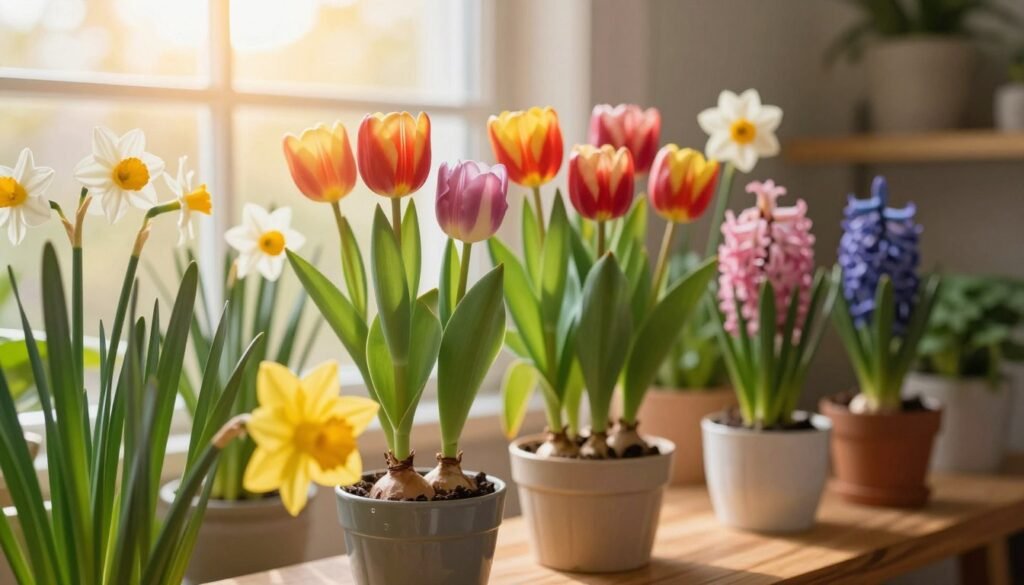
- Portable potted versions make thoughtful host gifts and brighten any room for weeks.
- Begonias add bold colors and frequent blooms for a burst of energy.
- African Violets bloom continuously with steady care and suit tabletops or windowsills.
Want more tips? For our approach to choosing plants and styling them in your home, learn more about our approach.
Summer Flowering Varieties for Vibrant Color
Summer brings a chance to fill rooms with bold hues and sweet scents that last for weeks.
The Joy of Indoor Jasmine
We love jasmine for its delicate white blooms and consistent perfume. Jasmine thrives in bright light and cooler nights, so place it near a sunlit window but away from direct midday heat.
Care tips: keep soil evenly moist and give morning sun with afternoon shade. The plant rewards this routine with long stretches of fragrant bloom.
- Jasmine varieties add a soft, fragrant touch to living rooms and bedrooms.
- Anthurium blooms almost year-round and brings bold color with little fuss.
- Use hanging baskets for trailing types like the lipstick plant to showcase red blooms.
- Geraniums suit bright, sunny spots where their large flowers can flourish.
- Ensure ample light in summer—blooms need energy to keep producing.
| Plant | Light | Water |
|---|---|---|
| Jasmine | Bright, indirect to morning sun | Keep evenly moist; reduce at night |
| Anthurium | Bright, indirect | Maintain moderate moisture; avoid soggy soil |
| Geranium | Full sun | Allow top inch to dry between waterings |
Autumnal Choices for Warmth and Texture
As leaves turn and light softens, we shift toward plants that add warmth and rich texture.
Succulents such as sedums, echeverias, and crassulas bring color and sculptural form. Their thick, fleshy foliage shines in a shallow bowl, pot, or terrarium. They add texture without a lot of fuss.
Rosemary offers a contrasting habit and a lemony-camphor scent that invigorates the home. Choose a specimen pruned into a conical or standard tree form for a neat centerpiece. It also pairs well with low-water varieties on a sunny sill.
- Autumn is the perfect time to introduce textured plants like succulents.
- Use rosemary for form, fragrance, and seasonal interest.
- Many of these varieties can move to the garden after winter.
| Plant | Best Use | After Winter |
|---|---|---|
| Sedum, Echeveria, Crassula | Shallow bowls, terrariums | Move to garden in spring |
| Rosemary | Conical container, scented focal | Keep hardy or transplant outdoors |
| Mixed houseplants | Textural bedside or entry vignette | Bring outside when warm |
Mastering Light and Water for Healthy Growth
Small changes to how you give light and water yield big results for plant health. We focus on two simple areas that influence growth the most: how much light a plant receives and how well water moves through its pot.
Understanding Indirect Light
Bright, indirect light gives blooms energy without burning leaves. Orchids often surprise new growers by reblooming when placed in this kind of light.
Tip: Move sun-loving pots a few feet from the window to soften direct rays and extend bloom time.
Proper Drainage Techniques
Many plants fail when roots sit in soggy soil, so make sure your pots drain well. If a decorative pot has no hole, keep the plant in a plastic nursery pot inside the cover.
- Water at the sink and let containers drain fully before returning them.
- Use a balanced fertilizer in spring and summer to support growth.
- Skip rigid watering schedules; check moisture and adjust over time.
| Issue | Quick Fix | Why it works |
|---|---|---|
| Wet soil | Use pot with drainage | Prevents root rot and stress |
| Too much sun | Move to bright, indirect light | Protects leaves and preserves blooms |
| Irregular care | Watch moisture, not the clock | Plants signal needs; adjust watering |
Styling Your Plants as Intentional Decor
A considered pot and placement can change how a plant reads in a space. We focus on simple choices that make a big visual difference in a room.
For a clean, modern look we favor matte ceramic in white, black, or sand. Terracotta gives a warmer feel when you want a cozier corner.
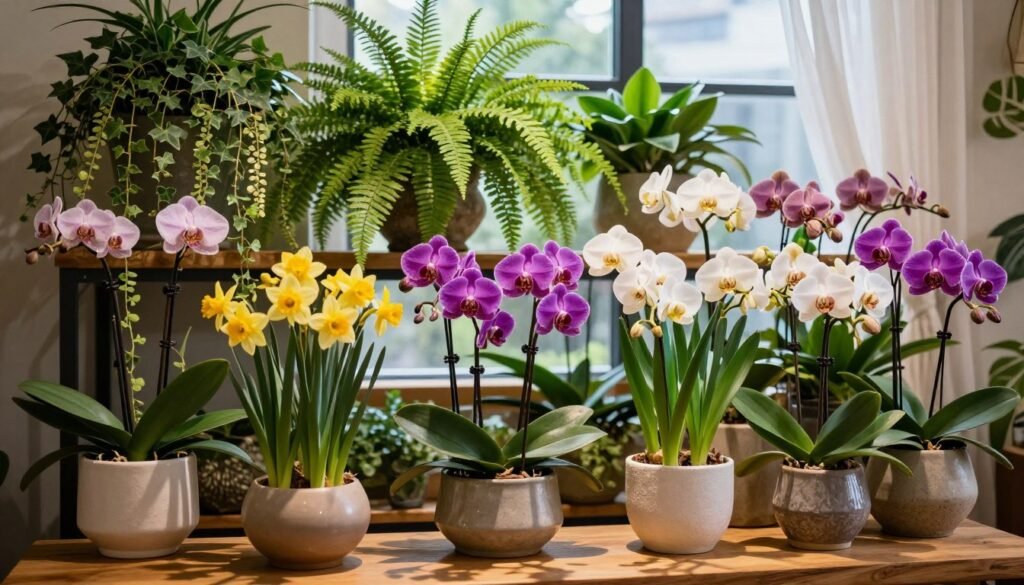
- Use one larger plant to anchor a vignette and create a clear focal point.
- Group smaller plants in threes or fives for balance and rhythm.
- Choose a pot that frames the plant without competing with its shape or color.
- Repeat a bloom or leaf color in a pillow or artwork to tie the home together.
- Mix glossy and soft leaves to add depth, or add a hanging element for vertical interest.
| Element | Recommendation | Why it works |
|---|---|---|
| Size | One anchor + small groupings | Creates scale and balance |
| Pot | Matte ceramic or terracotta | Frames the living piece |
| Placement | Entry, island, or shelf | Makes a room feel intentional |
We style plants as a way to soften lines and make each corner look finished. Small choices—scale, finish, and placement—change the look in a clear, delightful way.
Creating Living Centerpieces for Events
Living plants make memorable centerpieces that outlast the party. They add texture and a quiet, lasting life to event rooms. Using potted blooms reduces waste and gives guests something to keep.
Using Potted Blooms for Weddings
We recommend potted orchids to line an aisle or frame an entry for a refined, photographic touch.
Anthuriums bring bold color to cocktail tables and work well in dim light. Smaller blooming plants grouped together form a strong focal point on each guest table.
- Potted orchids can frame an entry or line a ceremony aisle.
- Anthuriums add color to bars and cocktail tables and photograph well.
- Group small plants for layered height and rhythm to create a lasting focal point.
- Many couples gift potted plants to guests so the flowers last and grow at home.
| Use | Best Choice | Benefit |
|---|---|---|
| Aisle/Entry | Orchids | Sophisticated, reusable |
| Cocktail Tables | Anthuriums | Bold color, low fuss |
| Guest Tables | Grouped small plants | Longer life, reduced waste |
Professional Tips for Corporate Gifting
When you choose a living gift, you send a message of care that endures.
Fiore’s corporate gifting options are built for easy ordering, clean presentation, and a strong first impression. A well-potted plant is a memorable choice because it lasts and symbolizes growth for teams.
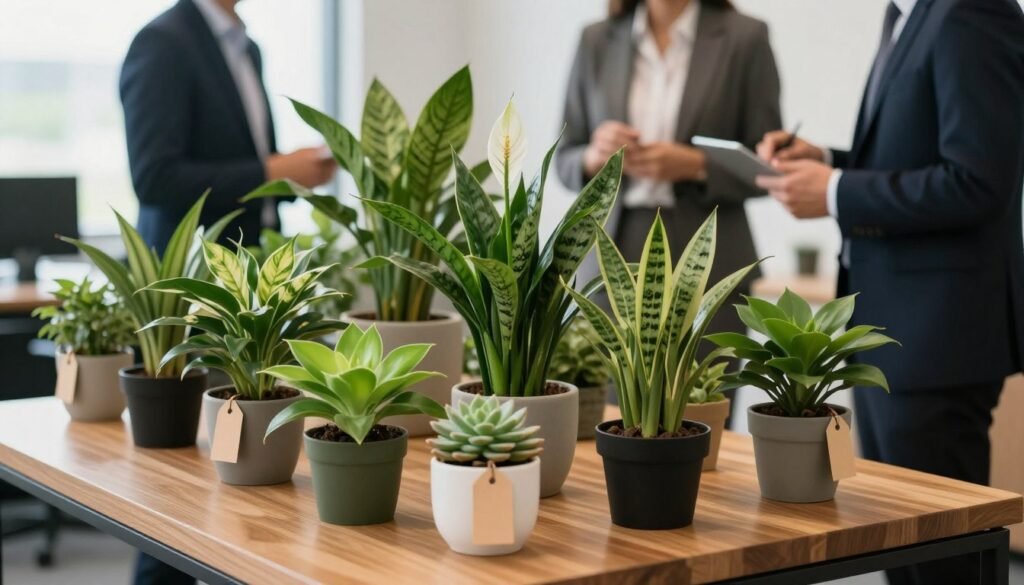
- Pick items sized for a desk or small space and check maintenance needs before you order.
- For very low-maintenance options, a succulent garden offers a polished, long-lasting option for desks and shared areas.
- Presentation matters: neat pots, branded sleeves, and simple care cards draw attention and show intent.
- A single blooming plant can soften a sterile office quickly without adding clutter.
- Choose healthy plants to ensure your gift keeps giving and reinforces professional relationships.
| Gift Type | Best For | Care Level |
|---|---|---|
| Succulent garden | Desks, low-light spots | Low |
| Potted bloom | Reception or office | Moderate |
| Small foliage | Shared workspaces | Easy |
Managing Humidity and Air Quality
A few simple habits can turn a dry corner into a humid, plant-friendly nook. We focus on low-cost methods that raise moisture and improve the air without special equipment.
Grouping Plants for Moisture
Group pots together so they share moisture in the air. Plants naturally transpire and create a small micro-climate when clustered.
This is an easy way to help tropical varieties keep soft, healthy leaves and steady humidity levels.
Using Pebble Trays
Use a pebble tray with water under the pot to boost local humidity. Make sure the pot sits on the pebbles and stays above the water line to avoid root rot.
Place groups away from hot vents and strong AC drafts to prevent the air from drying plants too fast.
“Managing humidity is the simplest care upgrade for happier, longer-lasting plants.”
- Hanging plants benefit when positioned where moisture pools, like near grouped pots.
- Pebble trays are a low-cost, effective option for many tropical types.
- Improved humidity also helps the home air quality and plant vigor.
| Technique | Benefit | Quick Tip |
|---|---|---|
| Grouping pots | Raises local humidity | Cluster by window or shelf |
| Pebble tray | Steady moisture near plant | Keep pot above water line |
| Avoid drafts | Prevents dry, brown leaves | Move away from vents and AC |
For more on protecting leaves from strong sun and drafts, see our guide on care for south-facing windows at avoid leaf burn.
Troubleshooting Common Plant Care Issues
Small problems with light or water are usually easy to fix if you catch them early.
Watch leaves closely. Drooping or curling often means thirst. Check the soil a few inches down before you water.
Balance light and shade. Too little light makes stems stretch toward a window. Too much sun creates scorched spots or crispy edges.
Adjust watering the simple way: let the top mix of soil dry between sessions to prevent root rot. Orchids, for example, rebloom when we keep light steady and water correctly.
“Paying small attention early keeps plants healthy and blooms lasting for weeks.”
- If a plant stops flowering, try moving it to bright, indirect light for several weeks.
- Move scorched plants to a spot with less direct sun to protect delicate leaves.
- When in doubt, check soil moisture before more watering—fewer mistakes this way.
| Issue | Sign | Quick Fix |
|---|---|---|
| Underwatering | Drooping, dry soil | Deep soak, then allow drainage |
| Too much sun | Brown spots, crispy edges | Move to bright, indirect light |
| Low light | Long weak growth | Place nearer a window or use indirect light |
| Poor soil drainage | Yellowing leaves, soggy soil | Repot with well-draining mix |
Conclusion
Add a touch of life to a corner and watch the room come alive. A well-placed plant changes the look of a space and makes your home feel calmer and more welcoming.
We recommend starting with one or two houseplants that suit your light and schedule. Orchids and other easy growers bring scent or striking form, even in winter. These living pieces give color and fresh air without a lot of fuss.
Remember many plants rest before new growth; that pause is normal and helps long-term growth. With simple care—right light, measured water—you can keep your indoor garden healthy through every season and time of year. Start small, enjoy the style, and watch your home and garden feel fuller of life.