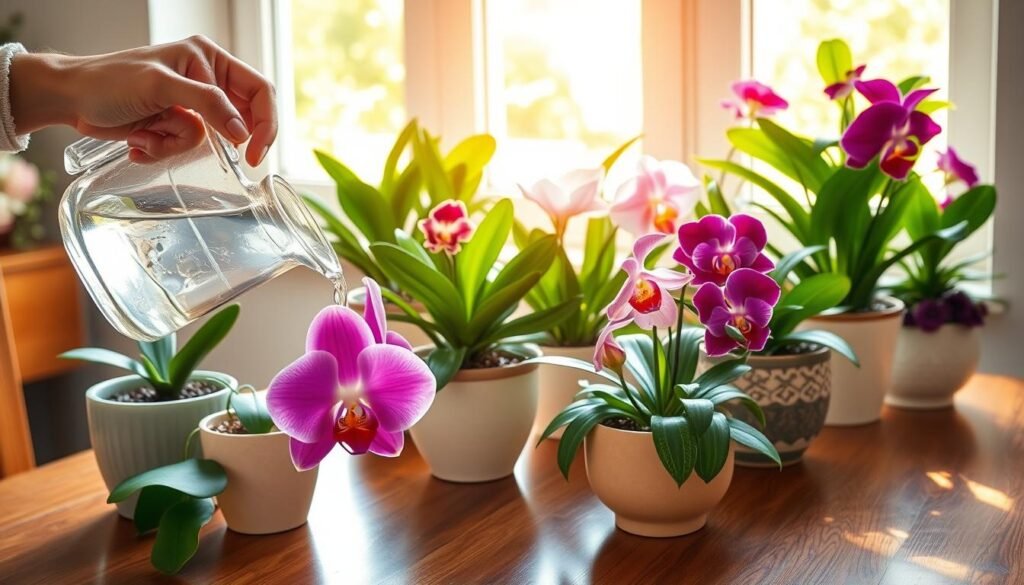

Fact: nearly 70% of blooms look stressed after a trip home, yet most won’t die in three days.
This guide shows a calm, three-day welcome that cuts stress and helps flowers settle. Start with a short quarantine and inspection, then gently aerate soil and wipe leaves. Finally, match light and spot the best place in your home.
Expect a little shock after the ride. That’s normal adjustment time, not instant failure. Focus on preventing the big three: pests, overwatering, and light shock.
Who this helps: people with nursery buys, grocery finds, big-box picks, or swaps with a friend. The routine keeps blooms fresher and reduces fussing.
Key Takeaways
- Reduce stress right away with a simple welcome routine.
- Quarantine and inspect for pests on Day 1.
- Gently aerate soil and clean leaves on Day 2.
- Choose light and location on Day 3 for longer blooms.
- Prevent overwatering, pests, and light shock early.
- Works for houseplant purchases of all types.
Start Strong With a Simple “Welcome Home” Routine
A short settling-in routine makes a big difference when a new arrival seems worn out. The most common post-purchase slump shows as droopy leaves, a few yellowing tips, or fading blooms after moving through a greenhouse, store, car, and your house.
Why leaves drop or look tired
Sudden changes in light, temperature, and humidity often trigger stress. Bumpy transport can bruise stems and disturb soil, so visible decline usually reflects harsh travelconditions, not instant failure.
A realistic timeline
Day one: place the item somewhere stable, avoid repotting, and don’t fertilize. Day two: gently aerate surface and wipe leaves. Day three: research needs and pick a final spot. Over the next fewweeks, watch watering rhythm, pests, and light shifts.
Choose a calm staging spot away from blowing vents, direct scorching sun, and drafty doorways. This buys you time—small, consistent steps now prevent bigger problems later.
Quarantine Your New Plant to Protect the Rest of Your Houseplants
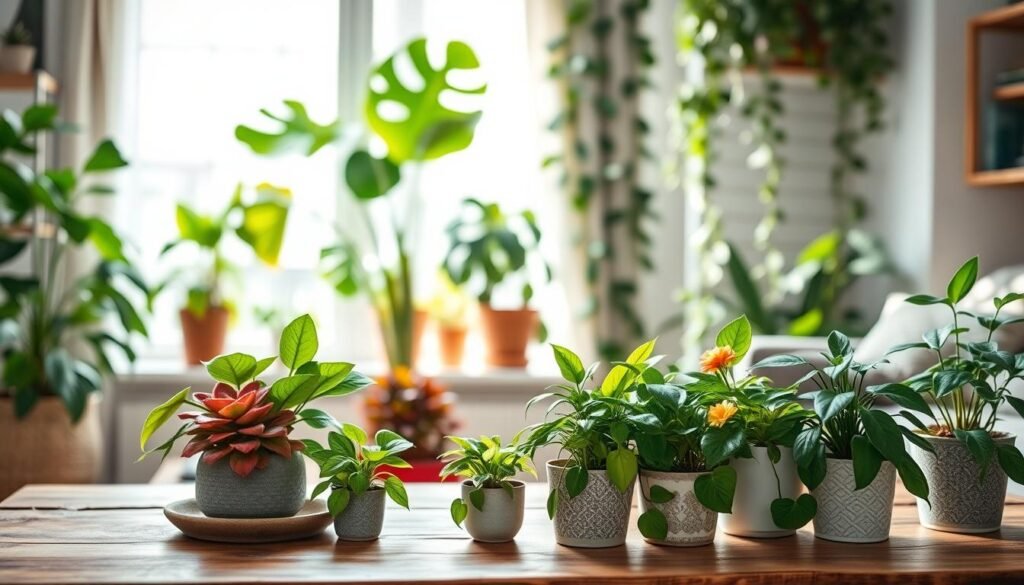
Locking down a fresh find for 14–21 days is a simple step that prevents big headaches later. Quarantine means keeping the arrival separate from other houseplants so any hidden pests don’t spread through your collection.
How long? Follow the 2–3 week rule. Eggs and tiny life stages can stay invisible for days. This window gives you time to spot trouble before it moves to other pots.
Where to place it
Pick a bright bathroom, a spare room, or a shelf a few feet away from other greenery. The goal is visibility and stable light. Make sure people can check it daily without disturbing nearby pots.
Tool and surface hygiene
Wipe tools and surfaces after you work. Do not reuse dirty potting tools on other houseplants.
- Wipe pruning shears with an antibacterial wipe between uses to reduce disease spread.
- Clean spilled soil from counters and sweep floors to remove hiding eggs or pests.
- Wash hands after touching anything suspect to avoid moving pests on skin or clothing.
“A strict quarantine and regular tool cleaning stop tiny threats before they become recurring problems.”
Why it matters: Some pests look like dust or hide at the soil line. Quarantine is small work that saves people weeks — or even years — of frustration with repeat infestations.
Inspect Leaves, Stems, and Soil for Pests Before They Spread
Spend a few minutes by a sunny window to find tiny invaders before they take hold. Do the check in daylight and keep a magnifying glass handy for the smallest offenders.
Follow this short process in order: look at the leaf surface first, flip leaves to check undersides, inspect the petioles, scan the stem, and finish at the soil line and topsoil.
Know what to look for. Mealybugs show as powdery white clusters. Spider mites leave fine webbing. Whiteflies appear as tiny flying specks. Aphids are bright-green and pear-shaped. Thrips are hard to see but often come with tiny black dots on leaves or stem.
Watch for early warning signs: holes, jagged edges, discoloration, webbing, and sticky residue. These marks shorten bloom life and usually develop slowly, so catching them early helps save the rest of the collection.
Quick tips: take a photo each inspection to track change. A brisk, calm check takes 3–5 minutes and prevents small problems from becoming big ones.
“Spotting tiny pests early keeps leaves and blooms looking fresh longer.”
Treat Bugs Fast Without Stressing the Plant More Than Necessary
When tiny invaders appear, act quickly but gently to stop spread and limit stress. Start with the gentlest option and only escalate if needed. A calm plan saves leaves and avoids extra shock.
First response: rinse and wipe
Begin by physically removing pests with a mild dish soap and warm water rinse. Support each leaf from below, use lukewarm water, and avoid high-pressure sprays that can tear petioles or dislodge blooms.
Neem oil option and how to mix
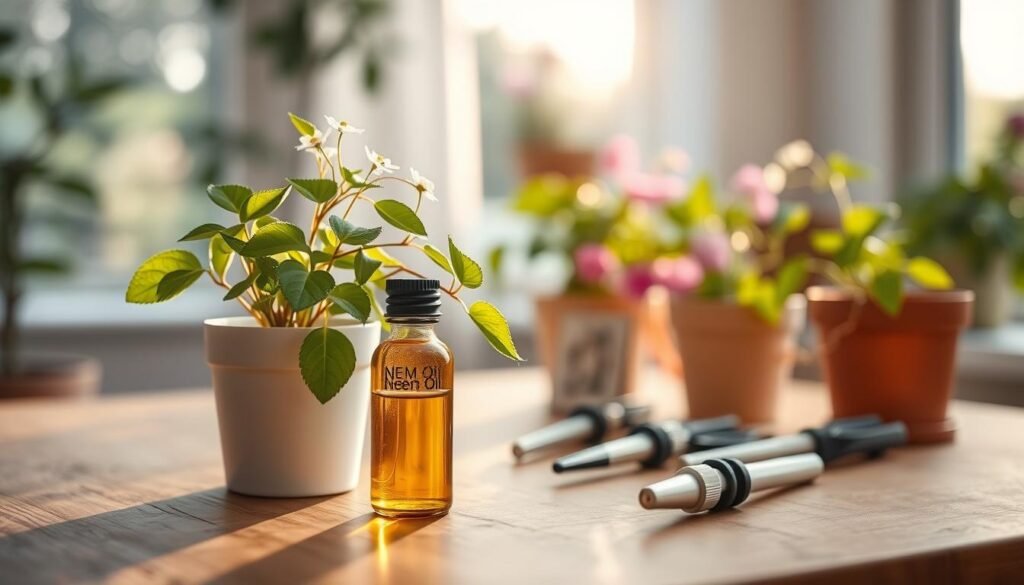
If pests persist, use a proven neem oil spray: combine 1 tablespoon neem oil, 1 teaspoon dish soap, and 1 quart (about 1 liter) warm water in a spray bottle. Shake well to emulsify and apply lightly.
Spray both the leaf surface and the soil surface — eggs and larvae often hide near the soil line. Let the mixture dry; neem can smell strong and may leave a white, crystal-like residue you can rinse off later.
Repeat timing: follow the life cycle
One treatment rarely finishes the job. Repeat sprays over a couple of weeks to interrupt eggs and larvae. Track progress and treat every 5–7 days until no new signs appear.
- Keep it isolated: keep the specimen in quarantine during treatment.
- Hygiene: clean tools and hands after each session to make sure pests don’t hitchhike to others.
“Start small, rinse gently, then use neem if needed — repeat for a few weeks to close the life-cycle loop.”
Indoor Plant Care After Buying New Plant: Water, Light, and Environment Basics
Give your new arrival a calm corner for a few weeks so it can settle without sudden shocks. Focus on three basics: water, light, and the room environment. Getting these right early keeps blooms and foliage looking healthy while roots reestablish.
Acclimation mindset
Plants adapt, but rapid changes can still cause shock. Start in a bright area for 3–4 weeks, then move slowly toward the final display spot. Make adjustments in small steps so the specimen can adjust its leaf chemistry and root uptake.
Prevent “blasting” from strong sunlight
Do not place directly on a hot windowsill at first. Even sun-loving ones can scorch. Move the pot 2–3 feet back from glass and increase exposure gradually.
US window exposure cheat sheet
| Window | Light/Heat | Best use |
|---|---|---|
| North | Lowest light, cooler | Shade-tolerant specimens; steady light |
| East | Morning sun, gentle warmth | Good for many flowering types and seedlings |
| South | Brightest; strong in winter | High-light varieties with care to avoid midday burn |
| West | Hot afternoon sun | Warm-loving ones; watch for leaf scorch |
Room conditions and stressors
Keep the specimen away from HVAC vents and drafty doorways. Vents dry air quickly and sudden temperature swings shorten bloom life.
- Rotate weekly for even growth.
- Watch for droop or color changes as adjustment signals.
- Choose a stable room where temperature and humidity stay steady.
“Slow, deliberate moves and attention to light and environment reduce shock and speed recovery.”
Get Watering Right From Day One (Without Overwatering)
Start your watering routine with a simple habit that protects roots and prevents rot. Small mistakes with water shorten bloom life fast: overwatering suffocates roots and causes limp growth, while underwatering speeds droop and petal drop.
Let tap water rest
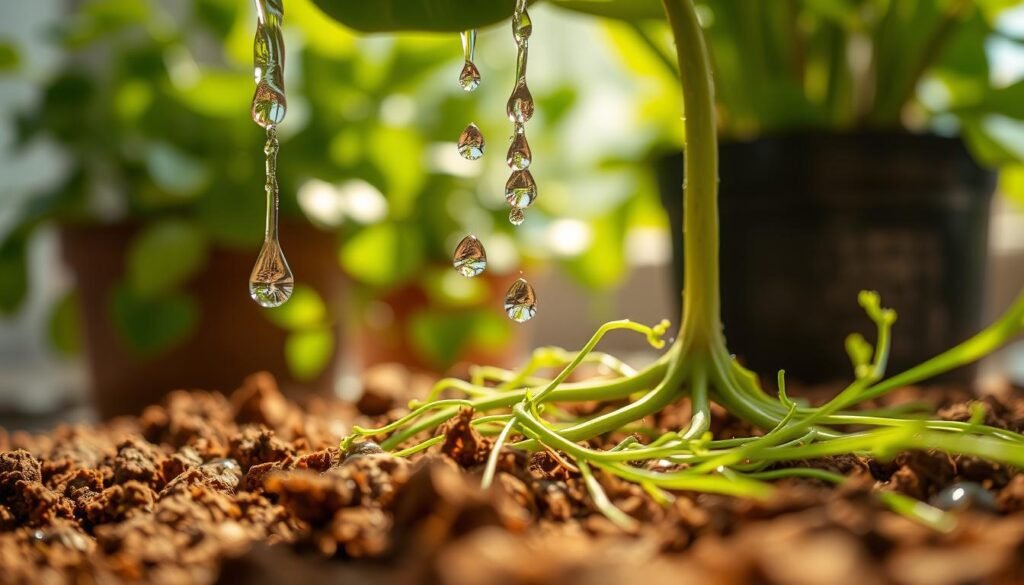
Letting tap water sit overnight reduces chlorine and fluoride for sensitive specimens, says Dr. Gladys Mbofung-Curtis. Fill a can the night before and use the next day to cut brown tip issues.
Meter vs. finger test
A moisture meter reads deeper where the roots live. The finger test often samples only the top layer and can mislead, according to Debbie Neese. Use a meter when in doubt.
Balance rule and routine
Remember Harbison’s balance rule: more sunlight usually means more water. Check before you water. Then water thoroughly until excess drains. Wait until meter or finger indicates it’s time again.
| Check | What it tells you | Action |
|---|---|---|
| Topsoil finger test | Surface dryness only | Useful quick check; follow with meter if unsure |
| Moisture meter | Reads deeper at roots | Best for accuracy; use for new or sensitive specimens |
| Sunlight level | Evaporation and growth rate | Increase watering in brighter spots; reduce in low light |
“Be slightly cautious during the first months — it’s safer to under-water than to soak repeatedly, especially in cooler months.”
Check Roots and Soil Before You Repot (and Avoid Overpotting)
Pause before repotting. Give the specimen a little time to settle unless you spot a clear problem. Repotting is itself a stress event, so only act when signs point to a real need.
When repotting is actually needed
Look for obvious triggers: roots growing from drainage holes, compacted soil, water that runs straight through (fast drainage), a pot that tips when touched, or white salt buildup on the topsoil.
How long to wait
Many experts say to delay work for weeks or even months if the specimen looks stable. Waiting gives roots time to recover from shipping and store handling and reduces transplant shock.
Pot size guidance and drainage basics
Upgrade the pot by about two inches in diameter — not a giant leap. Overpotting fills a lot of potting soil that stays wet, which reduces oxygen at the roots and raises rot risk.
Always use containers with drainage holes. If you prefer a decorative outer pot, keep the nursery pot inside so excess water can escape.
Hidden issue to look for
Some growers use plastic mesh root plugs. Probe a few inches down with a chopstick; only disturb the root ball if you actually find mesh edges.
“Check first, repot later — small moves prevent big setbacks.”
Boost Longevity by Cleaning Leaves, Pruning, and Improving Soil Aeration
Cleaning leaves and loosening compacted soil are small steps with big returns. A dusty layer blocks stomata and lowers photosynthesis, which quietly cuts energy and shortens how long blooms and foliage look their best.
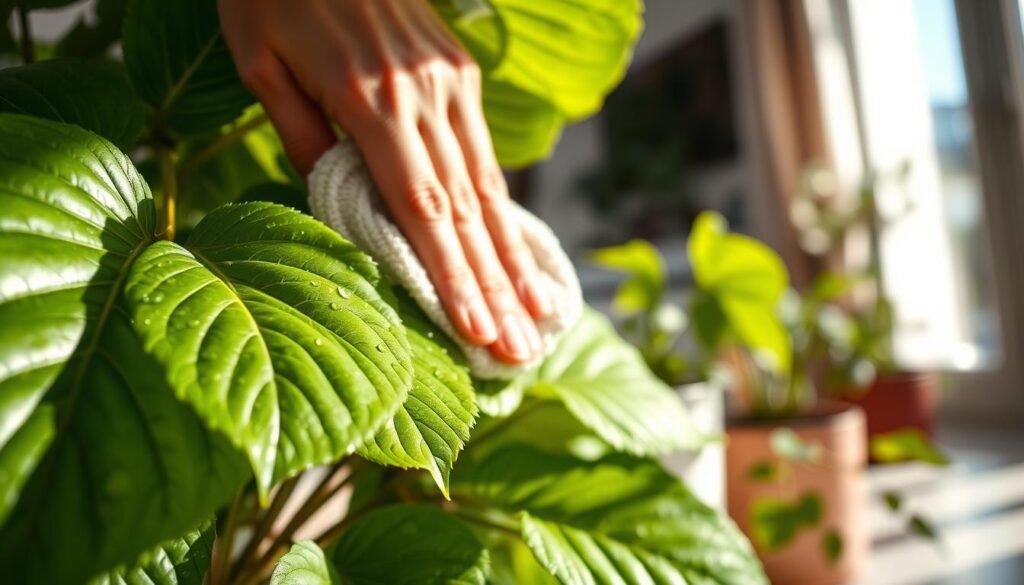
Shower versus wipe-down
Shower method: Use low pressure for about 30 seconds on hardier specimens. Let water flow until excess drains from the pot.
Wipe-down: For delicate foliage, support each leaf and clean with a damp cloth or sock. This gentle process prevents damage to soft petioles and blooms.
Trim dead growth to prevent leggy results
Remove yellowing leaves and spent stems so the plant redirects energy to healthy shoots and flowers.
Sterilize shears with an antibacterial wipe before snipping to avoid spreading disease. Regular, small cuts encourage a fuller shape and stop floppy, leggy growth.
Loosen soil to help roots breathe
If the soil looks compacted, gently poke every 1–2 inches with a chopstick to break clumps. This adds oxygen to roots, lowers rot risk, and improves drainage.
Better aeration makes watering more predictable and helps your collection behave more like a well-tended garden.
“A quick grooming session saves time and keeps blooms brighter.”
Feed Lightly: Fertilizer Timing and Nutrients Without Burn
Hold off on heavy feeding — a cautious approach prevents fertilizer burn during settling. A stressed specimen is more likely to show tip-burn than to benefit from extra food. Many growers dose stock before sale so what you bring home may already be fed.
Why less is more
Too much fertilizer can harm roots. Slow-release granules in many mixes supply nutrients for a couple of months, so extra feeding can cause salt buildup and brown tips.
How long slow-release lasts
Check the potting mix label. Most slow-release formulas last about 2–3 months. That gives one or two growing cycles time to recover before you add more nutrients.
When to start
Wait at least a couple of months, then begin small doses during active spring and summer growth. Some ones, like succulents and palms, need feeding far less often.
“Start small, watch for steady growth, and back off if tips brown or growth stalls.”
Conclusion
Wrap up with a simple, repeatable checklist so every new plant gets the same calm start. Follow quarantine, inspect, clean leaves, and keep tools hygienic first.
Next: adjust light placement gently, refine your water rhythm, and only change pot size when roots or soil clearly demand it. These steps reduce shock and speed recovery.
Prevent pests early and avoid overwatering to get longer-lasting blooms. Give things a little time before heavy feeding or big moves; patience usually pays off.
Small setbacks are normal. Most people find that a steady process and gentle habits beat guesswork every time.