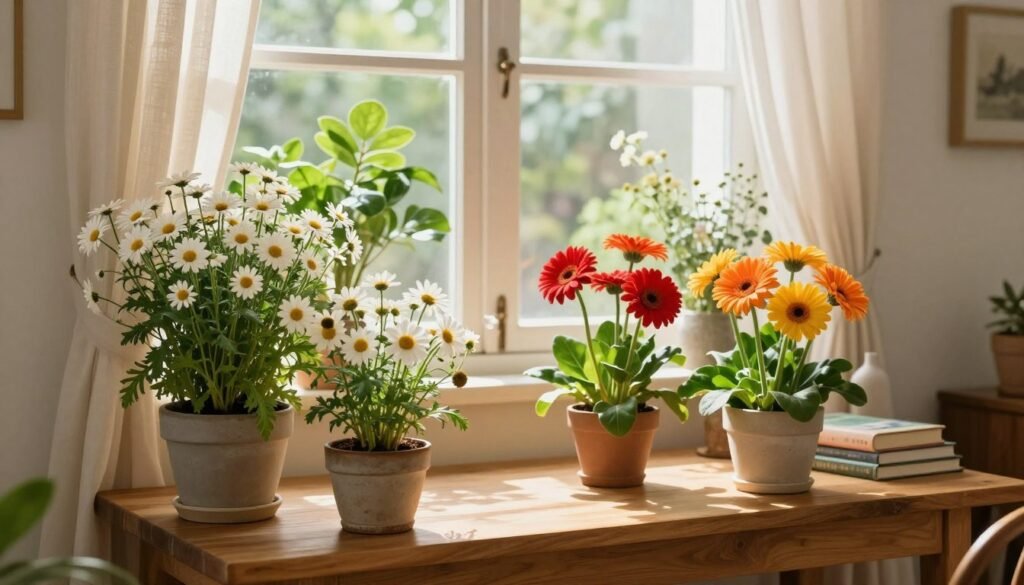

Did you know that adding just one plant can boost a room’s perceived warmth by over 30%? We start with that surprising fact because small changes make a big impact.
We believe bringing the outside into your home is an easy way to add life and color. A well-chosen plant or delicate bouquet can turn any room into a peaceful sanctuary.
In this post, we share simple, practical tips and ideas for creating an attractive, affordable setup using everyday items. From a tall plant in a basket to a spring arrangement on a stand, we show how texture, height, and the right greenery lift your decor.
We show you how to source plants, style arrangements, and make your house look polished without overspending.
Key Takeaways
- Small plant choices instantly refresh any room in your home.
- Use texture and height to create a professional-looking arrangement.
- Every simple thing, like a basket or stand, adds character.
- Affordable plants and bouquets can suit any season, including spring.
- We provide clear, easy tips to maximize your space and life with greenery.
Why a Budget Indoor Flower Display Transforms Your Home
Introducing a few well-chosen plants into a room can lift mood and style fast. We see this in the work of designers who use greenery to change a house’s energy.
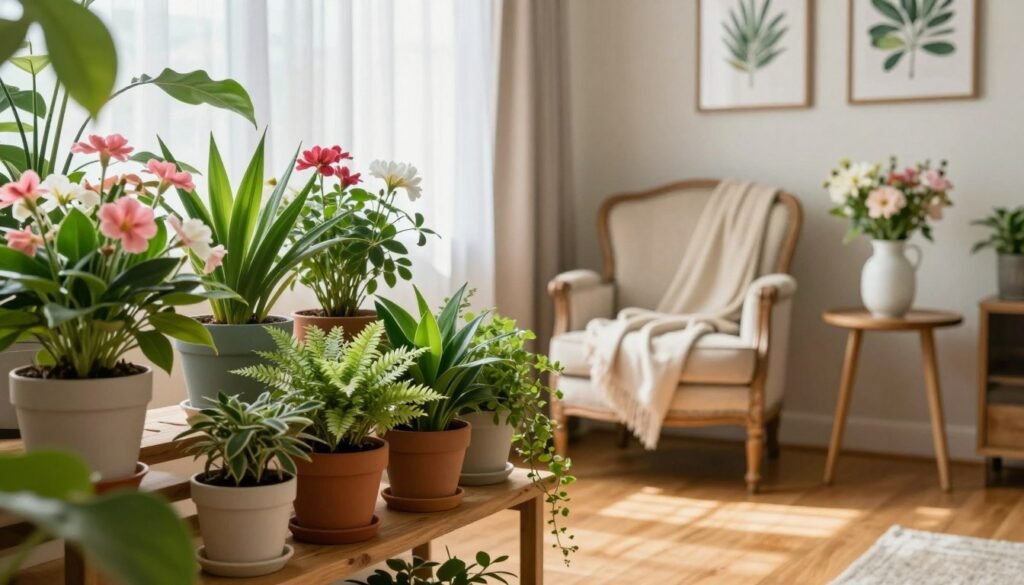
Paul Massey notes that plants add vibrancy and color, making living spaces feel fresher. In contrast, Umberto Pasti’s Tangier house shows floral maximalism: layers of plants create an opulent, romantic look.
For a quieter approach, William Smalley used a single fiddle-leaf fig to anchor a bathroom. That single plant proves less can be more.
- Max impact, low cost: choose plants that suit light and scale.
- Match your style: pick an arrangement that complements the room.
- Every choice counts: plants define character and improve daily life.
| Style | Key Feature | Best For |
|---|---|---|
| Maximalist | Many layered plants and textures | Large rooms, eclectic homes |
| Minimalist | Single sculptural plant | Small baths, modern spaces |
| Balanced | Couple of plants + a modest arrangement | Living rooms, bedrooms |
We believe that thoughtful choices let any home gain warmth and calm without overspending. This is an easy way to bring life and purpose into your space.
Sourcing Affordable Blooms and Greenery
Finding fresh greens and blooms for your house can be simple and satisfying. We focus on two practical ways to gather stems that stretch your dollars and lift a room’s look.
Growing Your Own Garden
Growing zinnias is one of our favorite tips. A single packet of seeds, often $5–$15, can yield hundreds of blooms. That makes this method a smart way to fill vases and plan seasonal schemes.
We recommend starting small: pick sunny pots or a modest patch and plant a few varieties for color and texture.
Shopping at Local Markets
If you don’t have a garden, check grocery stores and specialty stores like Trader Joe’s for fresh spring stems. Look for healthy stems with firm heads and clean leaves.
“Combine store-bought greenery with home-grown blooms to create lush, professional arrangements.”
- Choose a simple vase to let each plant shine.
- Visit farmer markets and small florists for unique greenery.
- Pick stems that will last after trimming and fresh water changes.
Our idea is clear: mix what we grow with select store finds to get a high-end look without fuss.
Creative Placement for Maximum Visual Impact
Where you place plants changes how a room reads more than the plant you pick. Thoughtful position and a clear palette help a small arrangement look intentional and rich.
Playing with Height and Texture
Use height to guide the eye. A vintage stand lifts a plant and gives a corner purpose, as Pandora Taylor often shows.
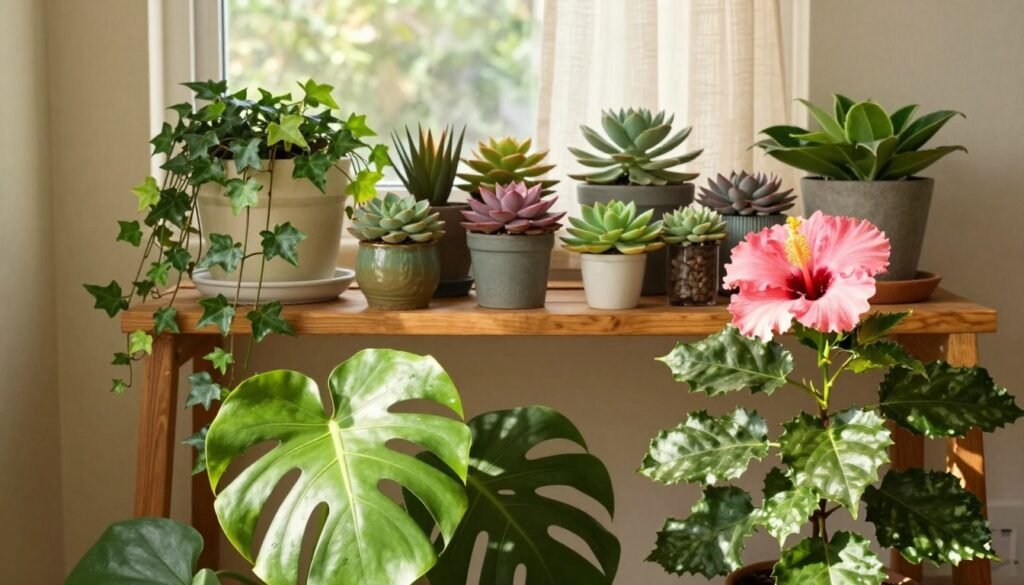
Try a woven basket to house a large ficus, echoing Polly Ashman’s warm approach. Or frame big pots against a lacquered wall like Rachel Chudley to add drama without fuss.
“Every bouquet and plant you place should be considered a character in the story of your room.”
We also mix textures—leafy, spiky, and soft—to create contrast that draws the eye and brings life to empty space.
- Place a stand by a mantle to anchor a seating area.
- Use a hanging basket or high shelf to fill vertical space.
- Match a small bouquet to your room palette for a cohesive look.
Designing a DIY Flower Bar for Gatherings
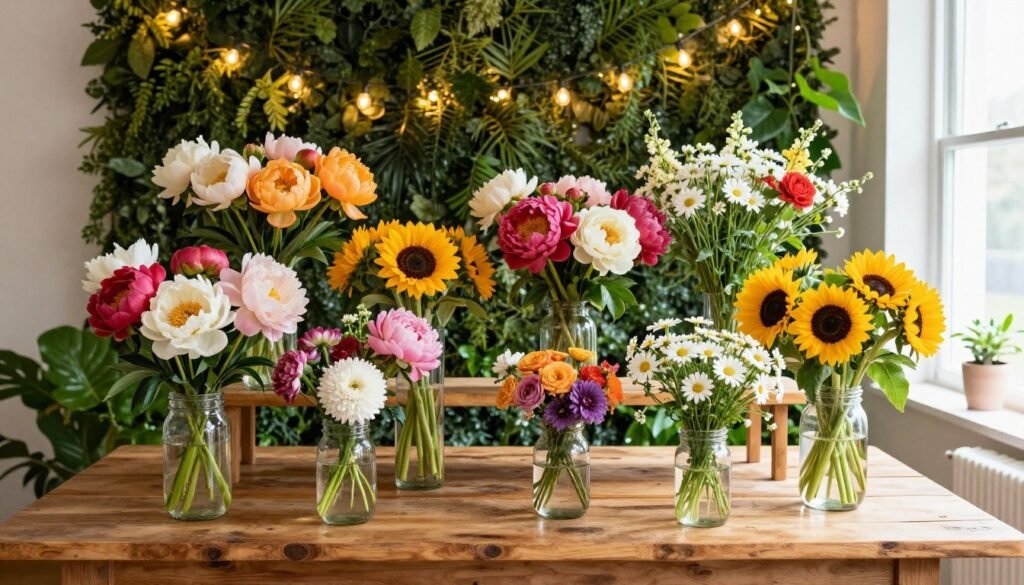
We love a simple, hands-on station that brings people together. A DIY flower bar is an easy way to add inspiration to your next home event. It can cost as little as $30 and rarely tops $68.
Setting Up Your Surface
Choose a long table or console that fits the room and traffic flow. Keep an open space so guests can move and gather stems without crowding.
Tip: Reserve one end for tools—scissors, twine, and a simple trash bin—so everything stays tidy.
Choosing the Right Vessels
Mix mason jars, vintage tin cans, and galvanized buckets for charm and variety. These containers are easy to source at thrift stores or big-box stores.
Play with height by placing tall buckets beside short jars. The layered look makes the bar feel abundant and professional.
Crafting Your Instruction Sign
Create a short, clear sign with free tools like Canva or Pinterest. Include three steps: pick stems, select greenery, and wrap with twine.
We suggest sorting blooms by color palette so guests can build balanced bouquets quickly. This keeps the process fun and the finished look cohesive.
- Cost-effective: $30–$68 to set up.
- Vessels: mason jars, vintage cans, galvanized buckets.
- Keep stems accessible so every plant is easy to grab.
Essential Tools and Techniques for Professional Results
A few smart tools transform casual stems into arrangements that look store-made. We focus on small steps that give big returns.
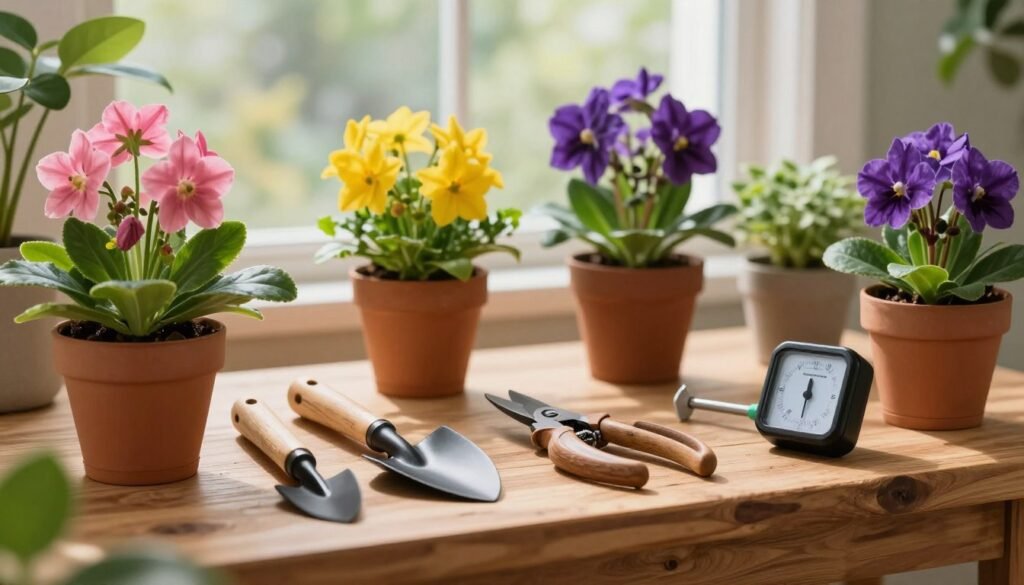
Use chicken wire inside a wide bucket or vase to hold stems steady. Cutting stems at an angle helps them drink more water and last longer.
| Tool | Purpose | Quick Tip |
|---|---|---|
| Chicken wire | Stem stabilization | Form a grid to keep arrangement upright |
| Flower shears | Clean cuts on thick stems | Sharp blades prevent crushing |
| Sharp knife | Long angled cuts | Re-cut stems every few days |
We stress texture: mix leafy greens and delicate flowers to make a natural look. Professional results hinge on details.
- Use chicken wire for structure in large vessels.
- Cut stems at an angle for better water uptake.
- Choose sharp shears to protect stems and plants.
Styling Your Arrangements with Unique Vessels
A well-chosen container can turn simple stems into a striking focal point for any room. We focus on vessels that add history, texture, and scale to your home without fuss.
Repurposing vintage finds is one of our favorite ways to style arrangements. Kathy Crisp uses vintage ceramic vessels to hold dried flowers in her Sussex house. Those pieces add warmth and a lived-in look.
Creative vessel ideas
Try a large blue-and-white enamel French water pitcher as a vase for bold blooms. It gives instant character and suits both modern and classic rooms.
We also love turning a vintage stool into a plant stand. A low stool lifts a potted plant, adds height, and frames the piece as intentional decor.
- Choose pieces with patina to add depth to your arrangement.
- Match the vessel scale to the plant size to keep the look balanced.
- Use a basket or unique vase as a finishing tip to tie your scheme together.
| Vessel | Best Use | Effect |
|---|---|---|
| Ceramic jug | Dried stems, delicate arrangements | Warm, vintage charm |
| Enamel pitcher | Bold flowers and long stems | Classic, eye-catching focal point |
| Vintage stool | Potted plants and height layers | Added height and interest |
| Woven basket | Grouped small pots or wrapped planters | Textured, casual look |
We encourage a little treasure hunting at flea markets and thrift shops. By choosing the right container, even simple arrangements look professional and feel personal.
Conclusion
,With a little time and a few stems, you can refresh rooms and find new inspiration every week.
Creating a budget-friendly indoor scheme brings life and calm to your home this spring. Using our tips, you can source plants from your garden or a local grocery store to fill a small space with color.
We hope this post gave practical ideas and the confidence to try a DIY bouquet or simple arrangement. Even small things—a well-placed plant or a vintage vase—lift the room and the overall decor.
Take time to experiment. Share photos of your results so we can celebrate how plants bring warmth and inspiration into daily life. Thank you for reading and for joining us on this creative journey.