
Surprising fact: up to 70% of houseplants that flower in homes never bloom a second time without a deliberate reset.
This guide opens with the common frustration: a healthy-looking plant blooms once and then stalls. Most of the time, the missing piece is light and a short rest period. Bright light, correct watering, and timely feeding are the universal signals that wake a flowering plant back up.
Flowers are energy-costly. A plant will rebuild roots and leaves before it spends reserves on another round of blooms. That means many houseplants need a predictable light cycle and a reset after flowering.
This article shows universal triggers first, then specific steps for orchids, citrus, bromeliads, anthurium, kalanchoe, and some repeat bloomers. You’ll find simple adjustments you can try today, plus a clear reset-and-restart routine and quick fixes for common blockers like leggy growth, pale leaves, and bud drop.
Key Takeaways
- Bright light and a short rest are the biggest factors for repeat blooms.
- Flowers demand energy; plants will only bloom if they can spare reserves.
- Universal care—light, water, feed—comes before plant-specific tricks.
- A simple reset routine can be repeated after each bloom cycle.
- Troubleshoot signs like leggy growth, pale leaves, and bud drop early.
Why indoor plants bloom once indoors and then stall
A single burst of blooms followed by silence is a common indoor plant puzzle. The main culprit is simple: insufficient light. Flowering species need brighter and longer daily exposure than foliage types.
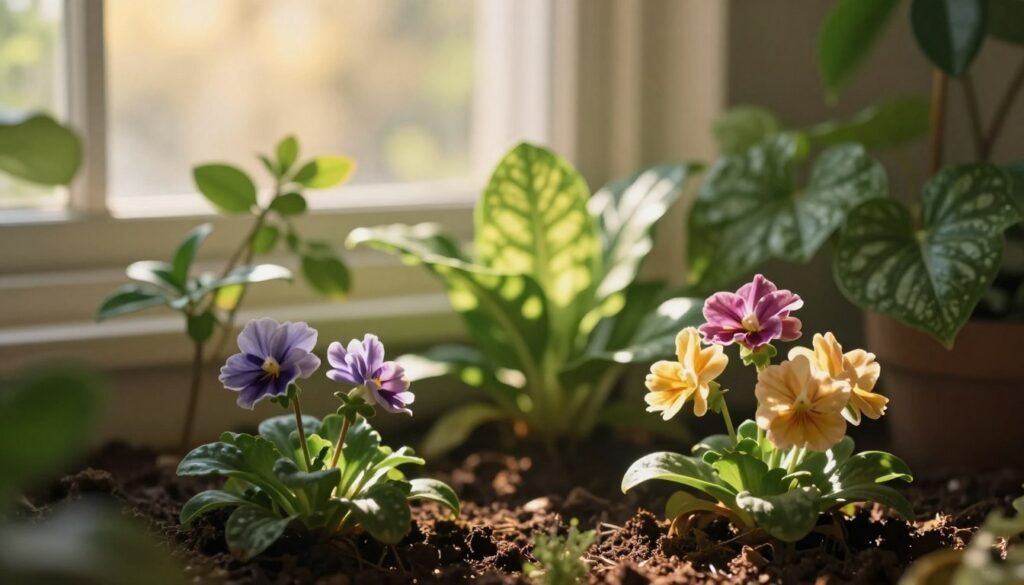
Light limits flowering more than most people expect
Signs of low light include leggy stems, paler leaves, smaller foliage, no buds, or buds that drop. If a specimen is stretching, it’s using energy just to survive rather than to set flowers.
Energy budgeting: blooms vs. growth
Think of resources as a budget. A plant will spend reserves on roots and leaves before it spends on blooms. Low light pushes the budget toward basic growth, delaying flower production.
Missed seasonal cues and post-bloom priorities
A stable home removes natural triggers like cooler nights or shorter days. After flowering, many species enter recovery, make seeds, and then rest. Overwatering or extra feed during this pause can harm recovery.
“Plants often need a clear change in conditions to try for flowers again.”
- Quick self-check: window direction, usable daily hours, distance from glass, and whether the plant is stretching for light.
- Note: some species never flower well in a typical home environment; upgrade conditions or choose reliable bloomers.
The rebloom basics: the triggers most flowering houseplants need
Repeated flowering depends less on luck and more on a few steady daily signals.
Bright, consistent light and daily hours
Light must be steady and long enough each day. Aim for bright exposure and consistent daily hours so the plant can build energy.
Watering and soil
Water when the top 1–2 inches of soil feel dry. Keep moisture even but never soggy. Good drainage and pots with holes let roots breathe.
Plant food, timing, and temperature
Feed with a balanced plant food every 2–4 weeks during spring and summer. Warm days with a slightly cooler night—just a bit cooler—can prompt bud initiation.
Humidity, airflow, and pruning
Tropical bloomers like higher humidity and gentle airflow; group pots, use pebble trays, or a humidifier. Trim faded flowers and spent stems so energy shifts toward new buds.
“Make sure not to fertilize a stressed specimen; recovery comes before feeding.”
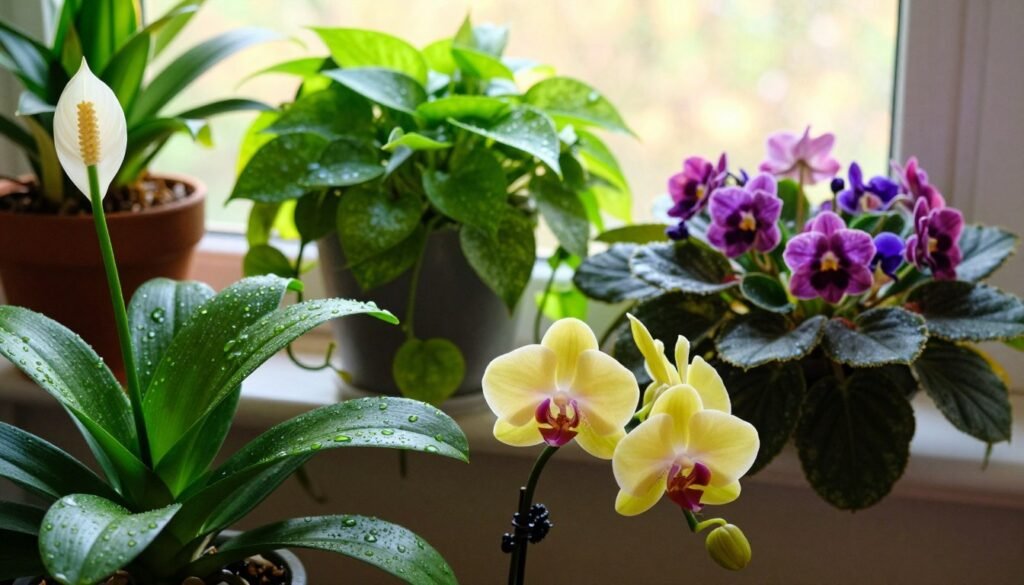
| Trigger | What to do | Why it matters | Quick check |
|---|---|---|---|
| Light | Bright, consistent daily hours | Builds energy for buds | No stretching stems |
| Watering | Even moisture, drain well | Healthy roots support blooms | Top 1–2″ dry before water |
| Feeding | Balanced food every 2–4 weeks | Supports repeat bloom cycles | Feed in spring/summer only |
| Temperature & Humidity | Warm days, slightly cooler nights; higher humidity for tropics | Helps bud set without stress | Leaves look full, not droopy |
Use these simple tips as a baseline. Small, steady changes in conditions often reset a plant’s energy and bring new blooms over time.
How to get indoor plants to rebloom with a simple reset-and-restart routine
Resetting a plant’s routine after blooms fade can trigger a second flowering cycle. The method is simple: a short rest period followed by a careful restart. This two-phase approach mimics seasonal cues and helps most species rebuild energy.
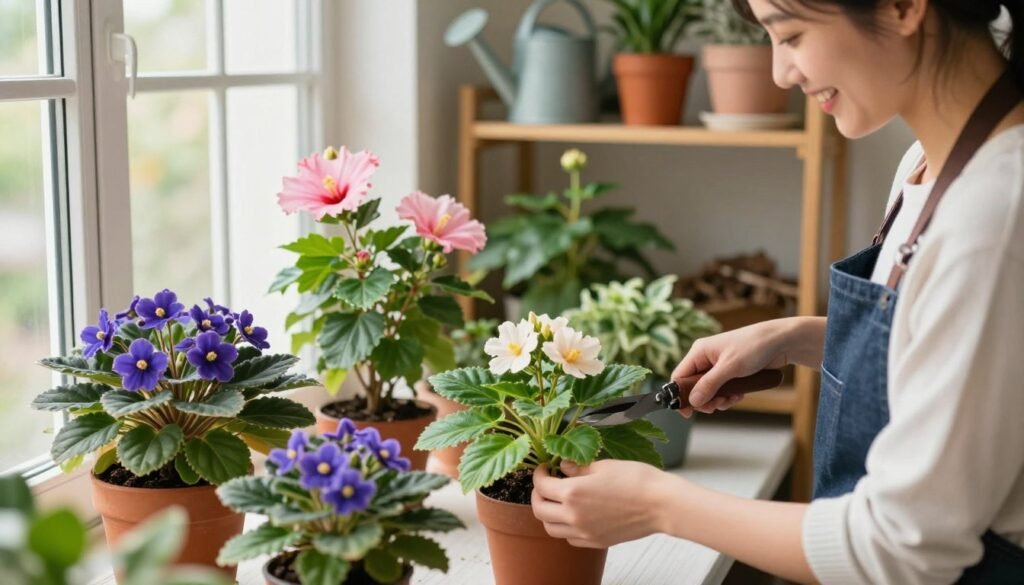
Right after flowering: reduce watering and let the plant “reset”
Cut back on watering for a period, not indefinitely. Reduce the amount and frequency so the medium dries a little deeper than usual, but don’t let the roots sit bone dry.
Lowering moisture and giving slightly cooler nights for a short period tells the specimen it’s time to conserve energy. This rest phase often lasts a few weeks to a few months depending on the species.
When new growth appears: increase water, return to brighter light, and feed
Once fresh growth shows, move the pot into brighter light, raise watering to normal levels, and restart a balanced feed. Do this gradually over several weeks.
These steps supply the energy a plant needs for bud set and another bloom period.
Watch-for signals and quick troubleshooting
Look for leggy stems, pale leaves, or buds that drop early. These signs point to low light or wrong moisture amount.
- If stems stretch, increase light and check pot placement.
- If leaves yellow, adjust watering and check drainage.
- If buds abort, pause feeding and correct environment before trying again.
“A brief rest plus a gentle restart is often all a flowering specimen needs.”
Re-bloom triggers by plant type: orchids, citrus, and bromeliads
Different species need distinct cues; orchids, citrus, and bromeliads each respond to simple, specific triggers that nudge them back into flowering. Follow a few clear steps for each type and expect results in weeks or, for long-lived specimens, over years with steady care.
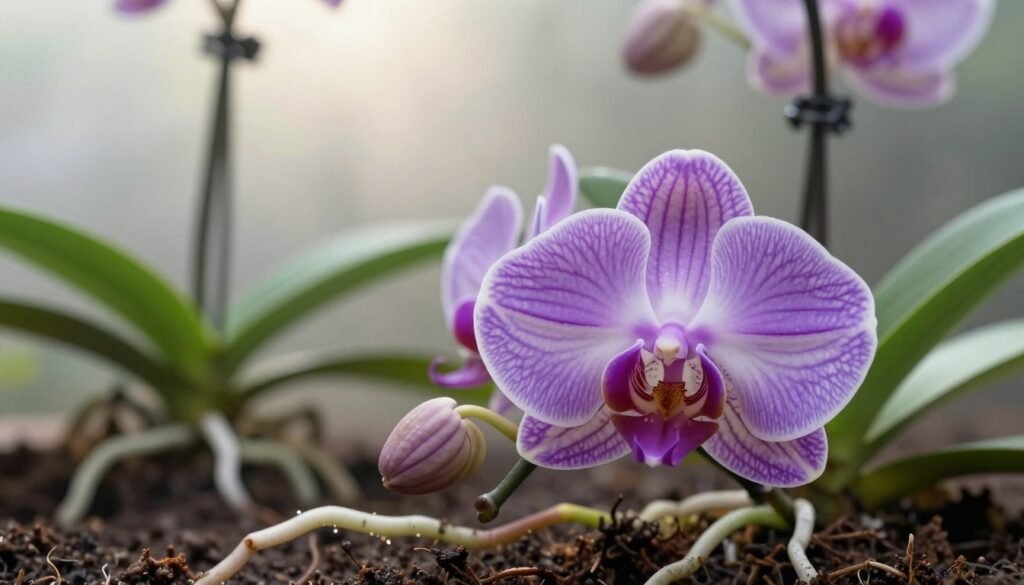
Orchids (Phalaenopsis)
After blooms fade, give a short rest period. Cut back feed and let the medium dry a bit more than usual for several weeks.
Introduce a small nighttime temperature dip, about 5–10°F cooler than daytime. Place the pot near an east window or set back from a south/west window with sheer curtain filtering for bright, indirect light.
Citrus indoors
Maximize direct sunlight and keep moisture even. Water when the top layer of soil feels slightly dry but avoid soggy roots.
Use a regular plant food schedule during the growing season so the tree has steady energy for another set of flowers.
Bromeliads
Keep the mix slightly damp and raise humidity with light misting or grouping pots. Bright light helps, but protect leaves from harsh direct sun that can scorch.
Bloom length varies by species; many hold color for several weeks. Quick fixes: move closer to brighter exposure, tweak watering, or cool nights a little to signal a new cycle.
“Small, species-specific changes are often the fastest route back to flowering.”
Re-bloom triggers by plant type: anthurium and kalanchoe
Certain species will reward matching their native rhythm. Anthurium and kalanchoe need different cues for repeat flowering, but both respond well to clear, steady care.
Anthurium basics
Anthurium thrives with bright, indirect light, consistent warmth, and regular plant food. These conditions support near-continuous blooms and steady growth.
Trim faded flowers cleanly at the base and wait for fresh growth before encouraging another bloom. This pause helps the specimen rebuild energy and produce longer-lasting color.
Kalanchoe cues
Kalanchoe demands very bright exposure and careful watering. Keep the mix slightly dry between drinks to avoid soft stems and root stress.
For bud set, give short days and long nights during the Oct–Mar period. Uninterrupted darkness of roughly 12–14 hours nightly signals bud formation for the next year.
“Watch leaf color and growth speed—those signals tell you when to change conditions.”
- Avoid overwatering succulents or pushing fertilizer when growth is slow.
- Move a kalanchoe closer to a bright window rather than shading it.
More reliable repeat bloomers for your home environment
Some houseplants simply suit a typical home and will reward steady, simple care with repeated blooms.
Christmas cactus responds to a clear seasonal cue: a cooler period (about 50–55°F) plus 12–14 hours of uninterrupted darkness each fall. In practice, reduce evening heat and give the pot a quiet, dim corner for several weeks. Once buds set, restore normal light and steady feed.
Hoya (wax plant)
Hoyas like brighter exposure and a slightly drier spell between waterings. They often bloom better when a bit root-bound.
Crucial tip: don’t cut off old flower spurs. New blooms return on those spurs, so removing them delays future flowering.
Lipstick plant
This specimen prefers bright, indirect light, steady moisture (not soggy), and extra humidity. Keep soil evenly damp and offer occasional misting or a pebble tray in dry rooms.
- Quick pick advice: match the amount of light and daily hours in your home with a plant’s needs.
- Choose lower-maintenance bloomers if you have limited light or little time for fussing.
- For best results, place reliable bloomers where they receive consistent conditions, not moving them often.
“Pick species that fit your space; blooming becomes predictable when care matches the environment.”
Conclusion
Most repeat flowering fails because a plant never sees the consistent signals it needs each season.
Start with the basics: give bright, steady exposure, sensible watering and good drainage, feed during active growth, and allow brief rest periods. These steps form a simple, repeatable formula that helps many houseplants return to bloom.
Use the reset-and-restart routine: short rest after flowering, then gradual return to brighter exposure and regular feed when new growth appears. For species cues, remember an orchid likes a brief cool night dip, kalanchoe needs long, dark evenings, and a hoya often blooms again on old spurs.
Make sure your choice matches your home — that is the easiest path to flowers year after year. Save this piece as a quick blog checklist and revisit it each season while you tend your garden.