
Surprising fact: up to 30% of common houseplants die because their roots sit in waterlogged soil and literally “drown.”
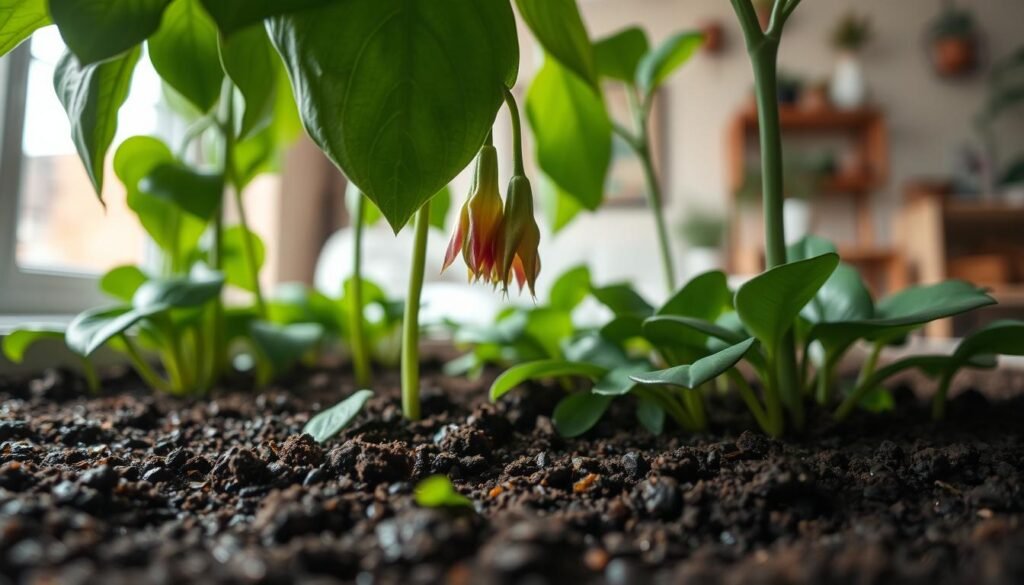
Drooping usually looks like limp stems, soft leaves, or a plant that leans toward the light. Many people water on a schedule and miss that slow-draining soil and no-drainage pots keep roots wet for too long.
Quick checks you can do today: feel the top soil, lift the pot to gauge weight, and gently press a leaf to test turgor. These simple tests help you tell if your plant is thirsty or sitting in excess water.
Key causes include frequent watering, poor drainage, and slow drying in winter or low-light rooms. This guide focuses on common indoor plants and flowering houseplants in U.S. homes and gives fast, low-stress fixes that don’t need special gear.
Key Takeaways
- Drooping can mean too much or too little water — test soil, weight, and leaves first.
- Roots need air; standing water causes root rot and mushy stems.
- Frequency matters more than single big pours — adjust by soil condition, not calendar.
- Fixes are simple: improve drainage, repot in quick-drain mix, and let soil dry to the right level.
- Watch for yellowing leaves, mold, fungus gnats, and bad odors as red flags.
- Optional tools: moisture meter and pots with drainage to prevent repeat problems.
Why Indoor Flowers Droop Indoors and Why Watering Is Usually the Culprit
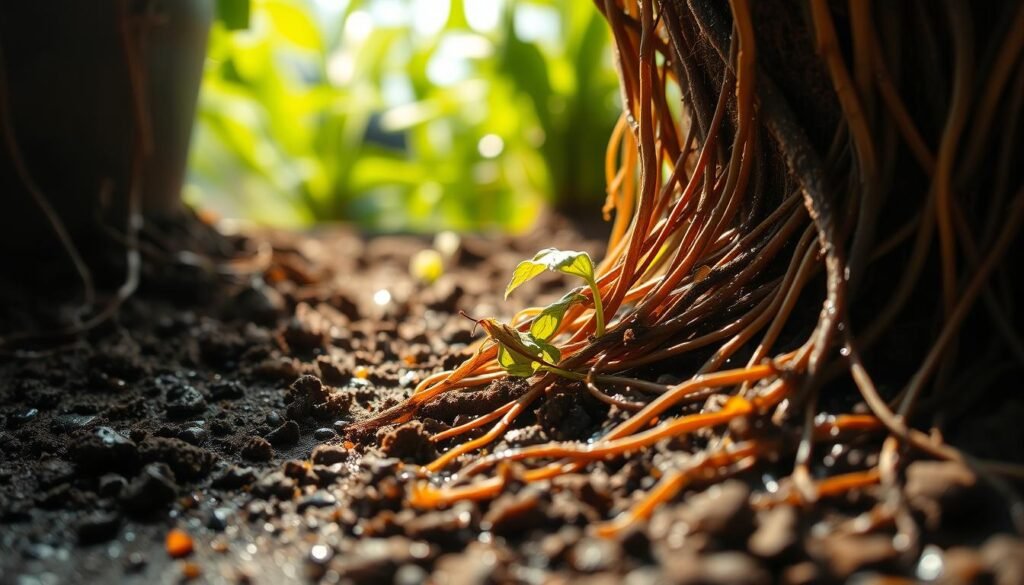
When pots hold more water than air, roots quickly lose the oxygen they need. Excess water fills the tiny air pockets in potting mix and creates waterlogged soil. Without air, roots can’t breathe or move water and nutrients up the plant.
The paradox: a plant can look thirsty even when the pot feels heavy. Damaged root tissue behaves like it’s dehydrated, so stems go limp while the soil stays wet.
How saturated soil chokes roots
Roots need both water and oxygen to work. Saturated soil blocks oxygen, which stops root uptake and leads to rot.
Why drooping worsens in slow growth periods
During winter and in low-light corners, plants use far less water. The same watering time suddenly leaves the mix soggy for longer. Cooler temps and higher indoor humidity slow evaporation and extend how long water stays in the pot.
Drainage makes or breaks recovery
Pots without drainage holes, clogged holes, or decorative outer pots that trap runoff keep roots sitting in moisture. Check that runoff can exit and adjust watering through the seasons so you water based on soil, not a clock.
| Condition | What it does to roots | Quick fix |
|---|---|---|
| Soggy, compacted soil | Blocks oxygen; roots suffocate | Hold watering; let soil dry from top to bottom |
| No drainage holes | Water accumulates; constant saturation | Use a pot with holes or empty saucer after watering |
| Slow growth (winter/low light) | Plants use less moisture; soil stays wetter longer | Reduce watering frequency and monitor moisture |
Leaf texture and color changes are the fastest clues that watering caused the droop. In the next section you’ll learn what to look for on leaves to confirm whether water is the problem before you treat the plant.
Signs of Overwatering Indoor Flowers You Can Spot Fast
Catch problems early. Look at the pot, soil surface, and leaves before you water again. A quick visual rundown helps you match symptoms to excess moisture in about a minute.
Wilting with wet soil
Leaves that are limp and soft while the topsoil stays damp usually point to an overwatered plant. This wilting feels different than dry, crispy droop; stems are floppy, not papery.
Color changes and leaf drop
Yellowing leaves across the plant, brown limp leaves, or sudden leaf drop (green, yellow, or brown) often follow long wet spells in the pot.
Edema and brown spots
Tiny blisters or water-soaked patches mean the plant absorbs more moisture than it can use. Brown spots or edges with a faint yellow halo can signal a bacterial issue encouraged by constant moisture.
Surface clues, gnats, and rot
Mold, algae, or fungus on the soil surface or pot rim shows persistent dampness. Fungus gnats hover when larvae breed in moist organic mix.
Urgent signs: a mushy stem base, wobbling plant, or foul smell usually means root rot—repot and treat immediately.
| What you see | Likely meaning | Fast action |
|---|---|---|
| Floppy leaves + wet soil | Roots not taking up water | Pause watering; let dry |
| Yellowing or brown limp leaves | Chronic moisture stress | Check drainage; reduce frequency |
| Mold, algae, gnats | Surface stays damp | Scrape surface; let top dry; sticky traps for gnats |
| Mushy stem base, bad odor | Root rot | Repot, trim rotten roots, use fresh mix |
Quick Diagnosis: Overwatering vs Underwatering Before You Treat
Before you treat a drooping plant, confirm whether the root zone is wet, even, or bone dry. A clear check of soil moisture saves a lot of mistakes.
Soil moisture checks that work
Finger test: push to the knuckle into the mix in two spots. If it feels cool and damp below the surface, the pot likely has too much water.
Chopstick or skewer: insert and pull out—dark staining means moisture deeper down. Lift the pot: a dry pot feels noticeably lighter.
Drainage holes: peek or touch under the rim. Wet residue at the holes shows lingering moisture that top checks can miss.
What crispy edges and compact soil usually mean
Dry droop tends to show brittle leaves and crispy edges. Compact soil that repels water is a common clue—hard mix shrinks and keeps water running off instead of soaking in.
By contrast, wilting with soft, limp foliage plus damp mix points to overwatering. Match the feel to the soil before you water.
When a moisture meter removes the guesswork
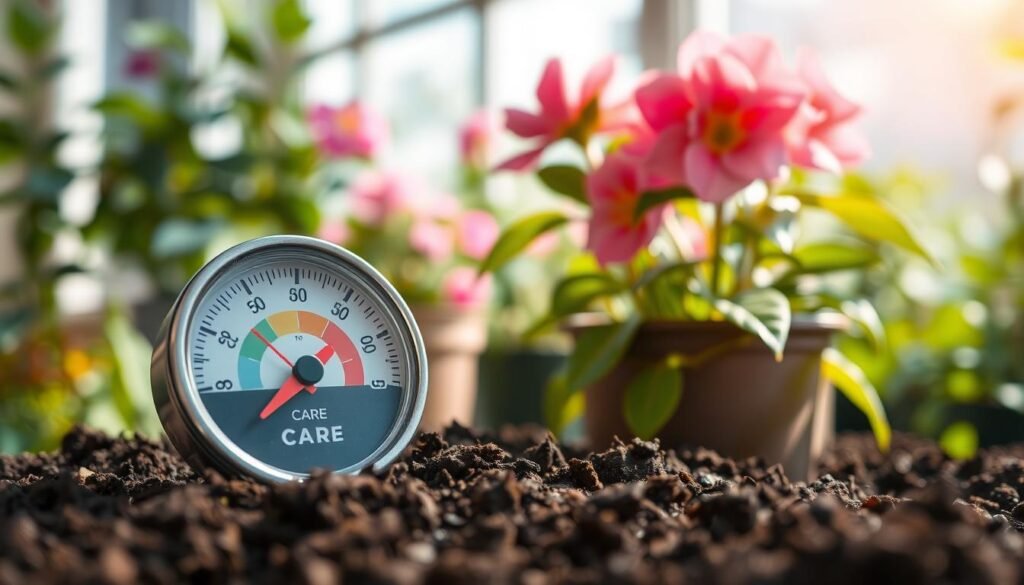
A moisture meter is worth it for large pots, low-light rooms, or new plant owners. Test in multiple spots around the pot, not just under the stem, and read results alongside what the leaves show.
Rule: water based on actual soil moisture, not the amount you usually pour or a fixed schedule.
How to Rescue an Overwatered Plant Without Making It Worse
First, stop adding water and confirm soil dryness throughout the pot. Use pot weight, a skewer, or a moisture meter to check below the surface. Surface dry soil can hide damp mix deeper down.
Pause watering: Hold off until the entire root zone is dry. This can take days to weeks depending on pot size, mix, light, and time of year. Check regularly rather than guessing.
Improve drainage now: Dump standing water from saucers and open any blocked drainage holes. Never let the pot sit in runoff.
When to repot and how to triage roots
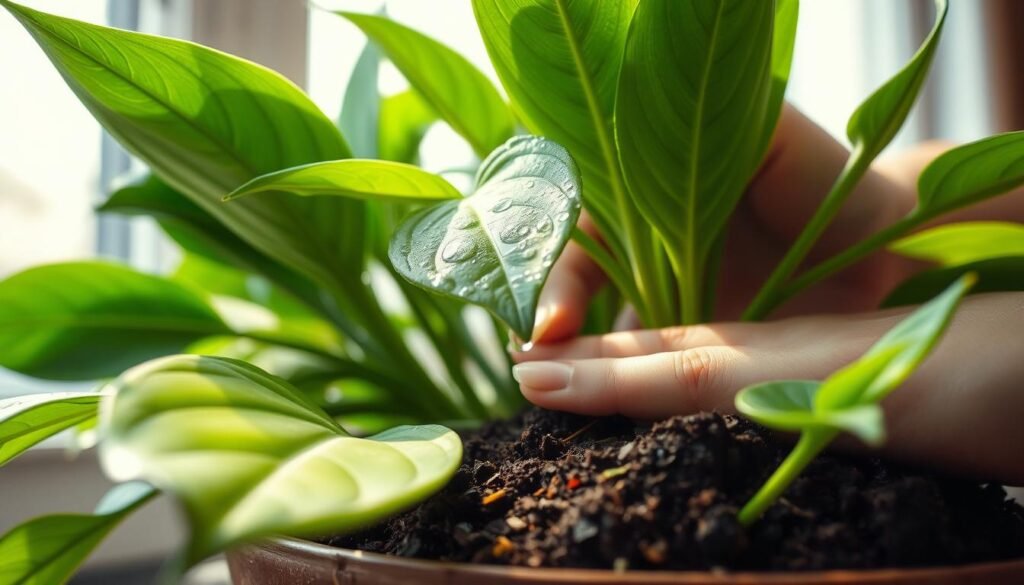
If the soil stays heavy, unpot the plant. Brush away saturated soil and inspect the roots: healthy roots are pale and firm; rotten roots are dark and mushy.
Trim black or soft roots with sharp trimmers. Sanitize tools with alcohol between cuts. Optionally rinse roots in a 50/50 hydrogen peroxide and water mix to slow rot, then let roots air for a short time.
Replant in fresh, airy potting soil and a container with drainage. Water once until runoff, then empty the saucer so the plant does not sit in water.
Saving what’s left
When most roots are gone, cut back top growth and propagate healthy stems or leaves in perlite or sphagnum moss. This often recovers the plant’s genetics faster than waiting for failing roots to regrow.
| Situation | Immediate action | Why it helps |
|---|---|---|
| Wet soil but firm roots | Pause watering; improve airflow | Roots recover oxygen and stop decaying |
| Mushy roots, odor | Unpot, trim rotten roots, sanitize | Removes rot source and limits spread |
| No drainage, standing water | Clear holes; empty saucer; repot if needed | Prevents repeated saturation and fungus |
How to Prevent Overwatering Going Forward
Make watering a reaction, not a routine: check soil before you add water. A quick finger test or meter read beats a calendar every time.
Water based on dryness, not a rigid schedule. When the top inch feels dry, test deeper in two spots. Water evenly around the pot until runoff, then empty the saucer so roots do not sit in excess water.
Choose the right pot. Always pick pots with drainage holes and avoid sealed cachepots that trap runoff. Terra cotta breathes and dries faster. Ceramic and plastic retain moisture longer, so they need less frequent watering.
Build breathable soil. Mix perlite, orchid bark, or charcoal into potting soil to add air pockets and reduce compaction. This shortens how long wet soil stays soggy and keeps roots healthy.
Match environment and season. More light and airflow speed drying and support active growth. In slow growth periods—cooler months—cut back the amount and time you water. During spring and summer, plants will usually need more water.
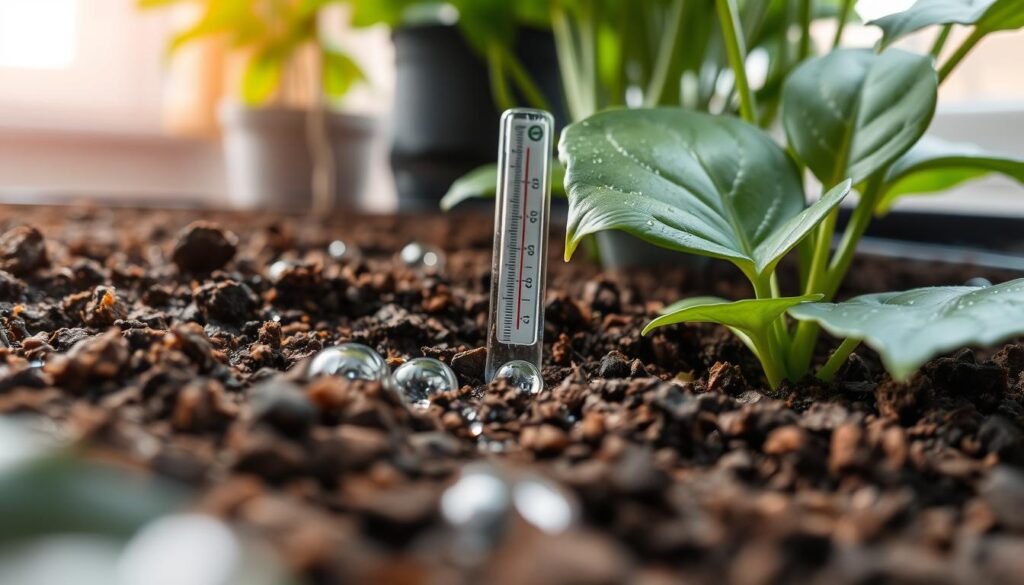
Use tools that help. A moisture meter removes guesswork; test around the root ball. For reliable, steady moisture, consider self-watering planters for species that like consistent dampness. Both tools reduce mistakes and protect roots.
| Item | What it does | When to use |
|---|---|---|
| Terra cotta pot | Wicks moisture; dries faster | Plants that prefer drier cycles |
| Ceramic or plastic pot | Holds moisture longer | Use for plants that like steady moisture or in bright rooms |
| Perlite / orchid bark | Increases aeration; reduces compaction | Add to potting mix for faster drain |
| Moisture meter | Objective soil moisture reading | Good for large pots, low-light rooms, new plant owners |
Conclusion
When a plant droops, the fastest fix is to verify moisture in the root zone. Check the soil, lift the pot, and feel for cool dampness before you add water.
Fast clues to watch: wet soil with limp leaves, yellowing or brown limp foliage, leaf drop, visible mold or gnats, and any mushy stem or sour smell that suggests rotten roots.
Take a calm, step-by-step approach: diagnose first, pause watering if the root zone is wet, and repot only when rot or persistent saturation is clear.
Prevent this with a pot that drains, a chunky breathable mix, and by emptying saucers so plants don’t sit in runoff. Adjust schedules with seasonal light and growth changes.
Most plants bounce back when you act early. Make watering decisions from moisture checks—not habit—and you’ll keep more healthy, happy plants.