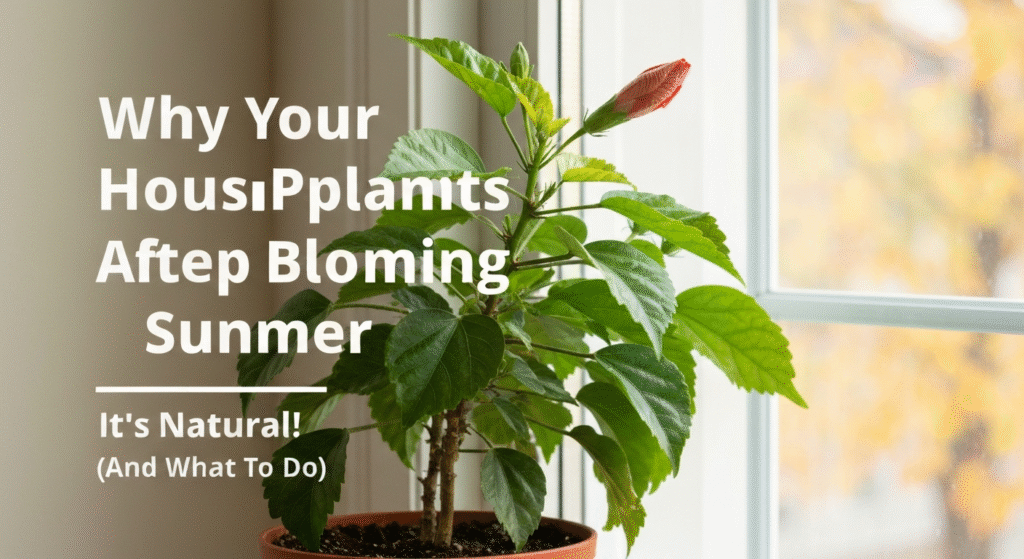

Have you noticed your star flowering houseplant, the one that produced vibrant blooms all summer, has suddenly stopped? The hibiscus that was a riot of color now just has green leaves. The bougainvillea that climbed your sunny window has gone quiet. It’s a common story, and it often leads to a frustrating question: “What did I do wrong?” The answer, in most cases, is absolutely nothing. A plant’s decision to stop blooming is rarely a sign of failure on your part. Instead, it’s an ancient, natural response to the changing seasons.
My name is Kamil Khan. For years, I’ve been fascinated by the world of indoor flowers, not just how to keep them alive, but how to understand their language and respect their natural rhythms. Through countless seasons of observing my own collection and connecting with other enthusiasts, I’ve learned that the most important part of plant care is managing expectations. The quiet period after summer isn’t a problem to be fixed; it’s a vital part of the plant’s life cycle. This article will break down exactly why this happens, so you can stop worrying and start appreciating the quiet beauty of your plant’s off-season.
The Secret Life of Plants: Understanding Natural Blooming Cycles
Before we get into the specifics of light and temperature, let’s talk about the fundamental reason plants flower in the first place. Blooming is all about reproduction. It’s the plant’s way of creating seeds to ensure the next generation. This process takes an enormous amount of energy. Think of it like a marathon runner preparing for a race; they don’t sprint all year long. They train, they perform, and then they rest and recover. Your houseplants operate on a similar principle.
Most of the flowering houseplants we love originated in climates with distinct growing and resting seasons. Their internal clocks, developed over millions of years, tell them when conditions are ideal for producing flowers and, hopefully, seeds. For many tropical and subtropical plants, the long, bright, warm days of summer are the perfect signal to enter their peak reproductive phase. When those conditions fade, the plant’s internal clock tells it to conserve energy, focus on root and leaf health, and wait for the prime conditions to return. This dormant or semi-dormant period is not just a pause; it’s a necessary recovery phase that ensures the plant has the strength to bloom again next year.
Number One Reason for Fewer Flowers: Decreasing Daylight

The single most significant factor telling your plant that summer is over is the change in daylight. This isn’t just about the brightness of the sun; it’s about the duration of light in a 24-hour period. This response is a scientific phenomenon known as photoperiodism.
What is Photoperiodism?
Photoperiodism is, simply, a plant’s biological response to the length of day and night. Plants contain special light-sensitive proteins, called photoreceptors, that act like tiny sensors. These sensors can detect the duration of light and, more importantly, the length of uninterrupted darkness. This mechanism is the primary way a plant knows what season it is.
- Long-Day Plants: These plants, which include many summer bloomers like hibiscus and geraniums, are triggered to flower when the days are long and the nights are short.
- Short-Day Plants: These plants, like Christmas cactus and poinsettias, initiate blooms when the days become shorter and the nights get longer.
- Day-Neutral Plants: These plants bloom regardless of day length, flowering once they reach a certain stage of maturity.
As summer turns to autumn, the days naturally get shorter. A long-day plant inside your home senses this change, and its internal programming tells it, “The ideal season for blooming is ending. It’s time to stop investing energy in flowers and save it for survival.”
How Less Light Halts Bud Formation
Flowering is the most energy-intensive activity a plant undertakes. That energy is produced through photosynthesis, a process fueled directly by light. When the amount of available light decreases, so does the plant’s energy production.
Imagine a factory that runs on solar power. On a long, sunny summer day, the factory is running at full capacity, producing its main product (leaves, stems) with plenty of energy left over to run a secondary, more complex production line (flowers). But as the days get shorter and cloudier in the fall, the solar panels generate less power. The factory manager has to make a choice. To keep the essential operations running, the energy-draining secondary line is shut down. Your plant is that factory manager. It wisely redirects its limited energy resources away from flower production and toward maintaining its essential life functions—its leaves and roots. I’ve seen this happen like clockwork with my own begonias. They are covered in blossoms in July, but as soon as the daylight hours start to shrink in September, new bud formation just stops, even while the foliage remains lush and healthy.
Light Intensity vs. Light Duration
It’s important to understand that autumn and winter bring a double-whammy for indoor plants: both the duration and the intensity of light decrease.
| Light Factor | Summer Condition | Winter Condition | Impact on Houseplants |
| Duration | Typically 12-16 hours of daylight. | Typically 8-10 hours of daylight. | Shorter days signal the end of the growing season for long-day bloomers. |
| Intensity | The sun is high in the sky, providing strong, direct rays. | The sun is at a lower angle, its rays are weaker and often filtered. | Weaker light leads to a significant drop in photosynthetic energy production. |
| Position | A window that gets direct sun all afternoon. | The same window might now only get a brief period of weak sun or none at all. | A prime summer spot can become a low-light area in winter, starving the plant of energy. |
Common Houseplants That Are Strictly Summer Bloomers
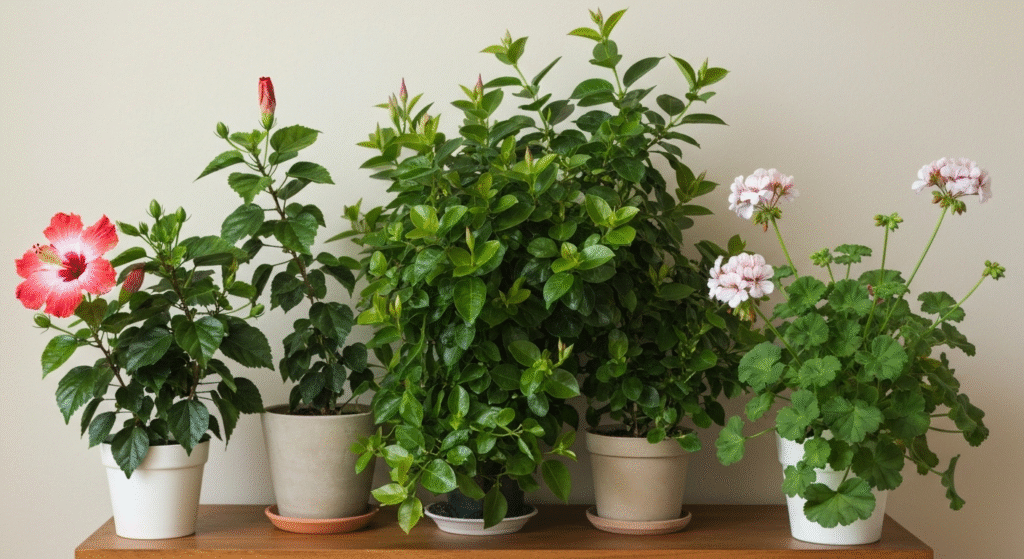
Part of being a successful plant owner is knowing what to expect from your specific plants. Many popular houseplants are reliable summer bloomers that will almost certainly take a break in the fall and winter. Trying to force them to flower year-round can lead to frustration for you and exhaustion for the plant.
Here’s a look at a few common examples and why they follow this seasonal pattern.
| Plant | Natural Blooming Season | Why It Stops in Fall/Winter | Winter Care Tip |
| Hibiscus | Summer | Native to warm, tropical regions, it requires high light and consistent warmth to produce its large, energy-demanding flowers. | Keep it in your sunniest window, reduce watering, and stop all fertilizing until spring. |
| Bougainvillea | Summer | This Mediterranean native needs intense, direct sunlight to trigger the growth of its colorful bracts (the modified leaves we see as flowers). | Provide as much direct sun as possible and allow the soil to dry out completely between waterings. |
| Mandevilla / Dipladenia | Summer | These tropical vines are vigorous summer growers and bloomers that enter a natural state of dormancy as light and temperatures drop. | Prune it back after it finishes blooming, reduce watering significantly, and let it rest. |
| Pelargonium (Geraniums) | Summer | These are classic high-light plants. While they can be overwintered indoors, they rarely bloom without supplemental grow lights due to low energy levels. | Cut the plant back, place it in a cool, bright spot, and water only when the soil is very dry. |
| Jasmine (some varieties) | Summer | Varieties like Jasminum sambac bloom profusely in the heat and bright light of summer but will slow or stop completely in lower light. | Find the brightest spot you have, reduce watering, and enjoy the foliage until spring. |
It’s Not Always Just Light: Other Seasonal Changes That Affect Blooming
While light is the primary driver, other environmental shifts contribute to your plant’s decision to stop blooming. Your indoor environment changes more than you might think between seasons.
Temperature Drops
Even in a climate-controlled home, plants can sense temperature changes. They are often placed near windows, where they can experience cool drafts as the outside temperature drops. For a tropical plant, a consistent cool breeze signals the arrival of a less-than-ideal season, reinforcing the message to stop flowering and conserve resources.
Changes in Humidity
The air inside our homes becomes significantly drier in the fall and winter. Central heating systems warm the air but strip it of moisture. Many tropical flowering plants thrive in high humidity. A sudden drop in humidity can stress the plant, causing it to drop any existing buds and halt the production of new ones. This is a survival tactic to reduce water loss through the leaves and flowers.
Your Watering and Feeding Routine
A plant that is not actively growing or producing flowers needs far less water and fertilizer. Its metabolism has slowed down, and its roots are not absorbing resources at the same rate. One of the most common mistakes I see plant owners make is maintaining a summer watering schedule into the fall. This leads to waterlogged soil, which prevents oxygen from reaching the roots and can quickly lead to root rot. A plant with rotting roots is fighting for its life; it certainly won’t be producing flowers. Similarly, fertilizing a dormant plant is like force-feeding someone who is asleep. The unused fertilizer salts build up in the soil and can burn the roots.
Setting Realistic Expectations for Your Seasonal Bloomers
Understanding the “why” behind your plant’s behavior is the first step. The next is to adjust your mindset and your care routine to support the plant through its natural cycle.
The “Off-Season” is a Rest Period, Not an Illness
The most important takeaway is this: a non-blooming period for a seasonal plant is a sign of health, not sickness. It shows that the plant’s internal clock is working perfectly. This rest period allows the plant to gather and store energy, which will fuel a more robust and beautiful display of flowers when the growing season returns. By giving your plant this downtime, you are ensuring its long-term health and vitality.
How to Support Your Plant During Its Dormancy
Caring for a dormant flowering plant is simple because it involves doing less, not more.
- Reduce Watering: As a general rule, if you were watering once a week in the summer, you might only need to water every two or three weeks in the winter. Always check the soil first. Stick your finger two inches deep; if it feels even slightly moist, wait longer.
- Stop Fertilizing: Put the fertilizer away in early fall and don’t bring it out again until you see the first signs of new growth in the spring.
- Maximize Light: Even though the light is weaker, give your plant the best you’ve got. If you have a south-facing window, this is the time to use it. Clean your windows to let in as much light as possible.
- Keep an Eye on Pests: Dormant plants can be more vulnerable to indoor pests like spider mites and mealybugs. Inspect your plants regularly, checking the undersides of leaves.
- Avoid Repotting: Repotting is a stressful event for a plant. Wait until the plant is back in its active growth phase in the spring to move it to a new pot.
Is My Plant Dormant or Dying? Key Differences to Look For

It’s a valid concern. How do you know if your plant is just resting or if it’s in actual trouble? Fortunately, the signs are usually quite distinct. A dormant plant looks quiet, while a dying plant looks actively sick.
| Sign | Healthy Dormancy | Sign of a Problem (Dying) |
| Flowers | New blooming stops. Any existing flowers will fade and fall off naturally. | N/A |
| Leaves | The vast majority of leaves remain green and firm. It might lose a few older, lower leaves over time. | Widespread yellowing, browning, or crispy leaves. Rapid leaf drop from all over the plant. |
| Stems | Stems remain firm, woody, and upright. | Stems become soft, mushy, or wrinkled. You may see blackening at the soil line, a sign of rot. |
| Overall Look | The plant appears stable and healthy, just without new growth or flowers. | The plant looks limp, wilted (even when watered), and is visibly declining week by week. |
| Soil | The soil dries out, albeit more slowly than in summer. | The soil remains constantly wet or soggy for weeks, indicating the roots aren’t absorbing water. |
Frequently Asked Questions
Will a grow light make my summer-blooming plant flower in winter?
It can, but it may not be in the plant’s best interest. A grow light can provide the light intensity and duration needed to trick a plant into blooming. However, this prevents the plant from having its natural rest period, which can lead to exhaustion and weaker performance in the long run.
Should I prune my plant after it stops blooming?
Fall is often a great time to prune back summer-blooming plants like hibiscus or mandevilla. Pruning helps shape the plant, encourages bushier growth in the spring, and removes any dead or leggy stems.
My plant lost all its leaves after I brought it inside for the winter. Is it dead?
Not necessarily. Some plants, like bougainvillea or geraniums, can go fully dormant and drop all their leaves when moved to a lower-light, cooler environment. Check the stems. If they are still firm and green or woody inside, the plant is likely just dormant. Keep it in a cool spot, water it very sparingly (maybe once a month), and wait for spring.
When can I expect my plant to start blooming again?
You can usually expect to see signs of new growth and bud formation in the spring as the days get noticeably longer and brighter, typically from March to May, depending on your location and the specific plant. This is the time to gradually resume your regular watering and fertilizing schedule.
Conclusion
The end of summer doesn’t have to mean the end of your enjoyment of your flowering houseplants. By understanding their natural cycles, you can shift your perspective from frustration to appreciation. Your plant stopping its bloom is not a cry for help; it’s a quiet whisper telling you it’s time to rest. This dormant period is an essential chapter in its life story, a time for storing energy and preparing for the vibrant encore to come.
Embrace this season of rest. Provide the simple care your plant needs—less water, no food, and the best light you can offer—and have patience. When spring returns, bringing with it longer days and warmer sun, you will be rewarded with a healthy, rejuvenated plant ready to burst back into spectacular bloom. This understanding is the true secret to becoming a more confident and connected plant parent.