
Have you ever wondered how your Christmas cactus magically knows when to produce its vibrant blooms, often just in time for the holidays? Or perhaps you’ve been frustrated by a beautiful poinsettia that was stunningly red one year but remained stubbornly green the next. It’s not magic; it’s a fascinating biological response to the changing seasons. Plants are incredibly attuned to their environment, and one of the most powerful signals they respond to is the length of the day.
This response, known as photoperiodism, is the plant’s internal mechanism for tracking time and seasons. It dictates when they grow, when they go dormant, and, most importantly for us, when they flower. Understanding how your indoor flowering plants react to seasonal daylight changes is the key to unlocking consistent, beautiful blooms. It transforms plant care from a guessing game into a conversation with your plant, where you learn to provide exactly what it needs to thrive.
My name is Kamil Khan, and for years, I’ve been captivated by the world of indoor flowers. My journey started not in a lab, but on my own windowsills, trying to figure out why some plants flourished while others struggled. This curiosity led me down a path of research and hands-on experimentation, learning the unique languages of different plants. I’m passionate about sharing this knowledge, helping others move beyond simple care instructions to truly understand the science and rhythm of their houseplants. My goal is to make complex botanical concepts accessible so you can build a more confident and rewarding relationship with your indoor garden.
Understanding Photoperiodism: The Plant’s Internal Clock
At the heart of this seasonal response is a concept called photoperiodism. Simply put, it’s how a plant measures the amount of daylight and darkness it receives in a 24-hour period. Plants don’t have calendars or watches, but they have something just as effective: a special light-sensitive pigment called phytochrome. Think of phytochrome as a biological light switch.
This pigment exists in two forms. One form converts to the other when it absorbs red light (present in daylight), and it slowly reverts back in the dark. By measuring the ratio of these two forms of phytochrome, the plant can accurately sense how long the night is. It’s the length of the uninterrupted dark period that is the most critical trigger for flowering in many species. This internal clock tells the plant whether the days are getting longer (signaling spring and summer) or shorter (signaling fall and winter), allowing it to flower at the most advantageous time for survival and reproduction.
Short-Day Plants: The Winter Bloomers
When we talk about plants that bloom in the fall and winter, we’re usually talking about “short-day” plants. This name is a little misleading. What these plants actually require is a long, uninterrupted night. They need to experience a period of darkness that is longer than a certain critical length to initiate the budding and flowering process.
Even a brief interruption of their dark period—like flipping on a room light for a few minutes each night—can be enough to reset their internal clock and prevent them from blooming. This is the single most common reason people struggle to get their holiday plants to rebloom. They are getting plenty of light during the day, but their essential long night’s rest is being disturbed by household lighting.
The Christmas Cactus (Schlumbergera)
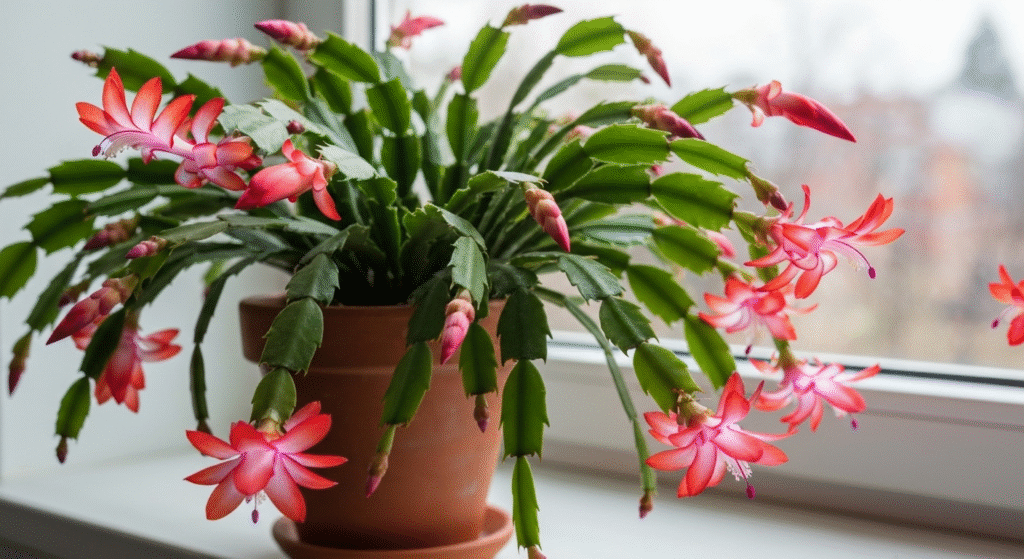
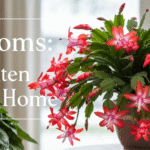
The Christmas cactus is a classic example of a short-day plant. To encourage blooming, it needs around 12-14 hours of complete darkness every night for about six weeks. I learned this the hard way with my first Schlumbergera. It was healthy and green but never flowered after its first year. I realized it was in my living room, where we often had lamps on late into the evening. The next autumn, I moved it to a spare bedroom with a north-facing window where it was naturally dark from sunset to sunrise. The result was a stunning display of pink flowers right on schedule.
The Poinsettia’s Secret Color
Poinsettias are famous for their vibrant red bracts (the modified leaves that we think of as flowers). Getting a poinsettia to re-color is a commitment because it requires the same strict light control. Starting in early October, the plant needs about 14 hours of continuous, pitch-black darkness each night. Many growers achieve this by placing a cardboard box over the plant or moving it into a dark closet every evening and taking it out each morning. This dedication mimics the shortening days of autumn and signals the plant to produce its signature color.
Kalanchoe’s Bright Winter Display
Kalanchoes, with their dense clusters of small, colorful flowers, are another popular short-day plant you’ll find in stores during winter. Commercial greenhouses control their blooming cycles precisely by manipulating light exposure with blackout cloths. This allows them to have Kalanchoes ready for sale year-round. At home, you can encourage a second round of blooms by ensuring it gets long, dark nights after its initial flowering is finished.
| Plant | Required Night Length | Blooming Period | Common Issue |
| Christmas Cactus | 12-14 hours | Late Fall / Early Winter | Interrupted darkness from room lights prevents buds. |
| Poinsettia | 13-15 hours | Winter | Fails to re-color without a strict dark period. |
| Kalanchoe | ~12 hours | Fall / Winter | Blooms once, then needs a light-controlled rest period. |
Long-Day Plants: Welcoming Summer Indoors
As the name suggests, long-day plants are the opposite of short-day plants. They are triggered to flower when the days become longer and the nights become shorter than a certain critical length. Most of our common garden flowers and vegetables fall into this category, as they are programmed to bloom and produce seeds during the long, sunny days of summer.
While less common among the typical “winter houseplant” roster, understanding this category is helpful for caring for certain indoor specimens, especially those you might bring inside for the winter. Plants like indoor-grown petunias, some begonia varieties, and herbs like spinach will only flower when the daylight hours are extended. During the short days of winter, their focus shifts to vegetative growth, and they will not produce blooms without supplemental lighting.
Recognizing Long-Day Behavior
If you have a flowering plant that puts out lush foliage all winter but refuses to bloom, it might be a long-day plant waiting for its signal. You’ll notice that as spring approaches and the light from the windows lasts longer into the evening, these plants may naturally begin to form buds. Their internal clock tells them that the growing season has arrived, and it’s time to reproduce.
Using Grow Lights to Mimic Summer
For those who want to enjoy blooms from long-day plants year-round, a simple grow light can make all the difference. By using a timer to extend the plant’s “daylight” to 14-16 hours, you can trick it into thinking it’s June. This provides the necessary trigger to stimulate flowering, even in the middle of winter. This is a common technique used for growing flowering herbs or beautiful tuberous begonias indoors.
Day-Neutral Plants: The Easy-Going Bloomers
Finally, there’s a third category: day-neutral plants. These plants couldn’t care less about the length of the day. Their flowering is not triggered by photoperiod at all. Instead, they typically bloom once they reach a certain stage of maturity or in response to other environmental cues, such as temperature changes or a regular cycle of good care.
Many of our most reliable indoor bloomers fall into this category, which is why they are often recommended for beginners. You don’t need to worry about moving them into a closet or managing their light cycles. As long as you provide consistent, proper care, they will reward you with flowers throughout the year.
African Violets: Consistent Color
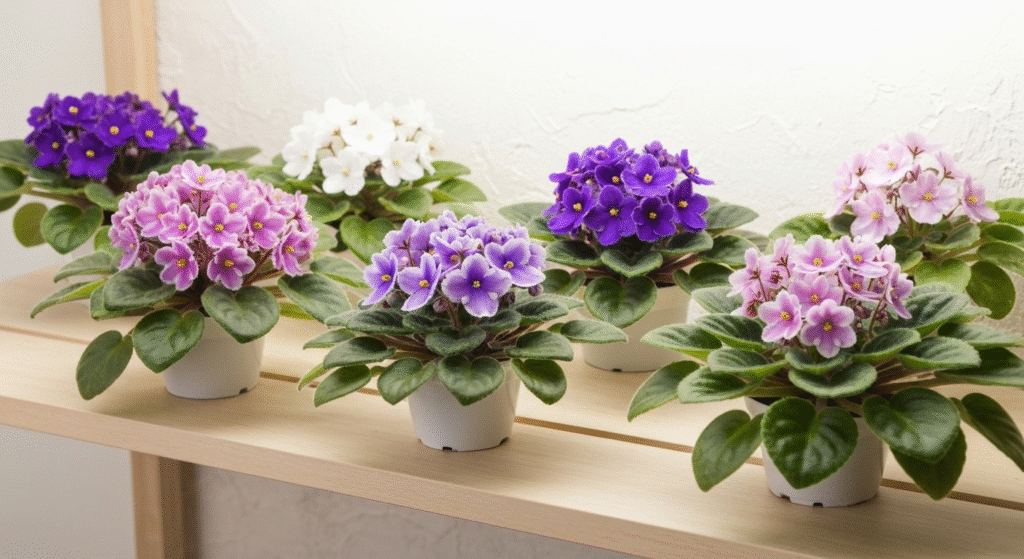
African violets are a perfect example. They can bloom continuously year-round. Their primary requirements are consistent moisture, high humidity, and bright, indirect light. Day length is not a factor. If an African violet stops blooming, the cause is almost always related to other factors like improper watering, low light intensity, or needing to be repotted.
Orchids: Temperature and Maturity Triggers
Many popular orchids, like the Phalaenopsis (Moth Orchid), are day-neutral. I’ve found that the most effective way to trigger a new bloom spike on a mature Phalaenopsis is to expose it to a slight temperature drop. Allowing nighttime temperatures to fall by about 10-15°F (5-8°C) for a few weeks in the fall often stimulates the development of a new flower spike. This mimics the natural seasonal change that signals blooming time in their native habitat, and it has nothing to do with day length.
Comparison of Plant Responses to Daylight
| Plant Type | Flowering Trigger | Indoor Examples | Key to Blooming |
| Short-Day | Long, uninterrupted nights | Poinsettia, Christmas Cactus | Strict control of darkness |
| Long-Day | Short nights / long days | Petunia, some Begonias | Supplemental light in winter |
| Day-Neutral | Maturity, temperature, care | African Violet, Phalaenopsis Orchid | Consistent care & other cues |
How to Read the Signs: Observing Your Plant’s Response
Your plants are always communicating with you; you just have to learn their language. Observing them closely will tell you how they are responding to the seasonal changes in your home.
Bud Formation (or Lack Thereof)
This is the most direct sign. If your Christmas cactus starts forming tiny buds at the tips of its leaves in late fall, you know it’s successfully receiving the long-night signal. Conversely, if it remains dormant, it’s a clear sign that its dark period is likely being interrupted.
Changes in Leaf Growth
Many plants will slow down or stop producing new leaves as they divert their energy toward flowering. You might notice your day-neutral African violet focusing all its energy on its flowers, with little new foliage growth during a heavy bloom. Similarly, a short-day plant might appear to be doing nothing in the fall, when in reality it’s preparing to bloom underground and within its stems.
Stretching or “Legginess”
It’s important to distinguish between a plant’s response to day length (photoperiod) and its response to light intensity. If your plant is growing long, pale, spindly stems with sparse leaves, it’s becoming “leggy.” This is a sign that it isn’t getting enough bright light. It’s stretching itself out trying to find more sun. This is a problem of light quantity, not duration, and it’s common in winter when the sun is weaker and lower in the sky.
Managing Light to Encourage Indoor Blooms
Once you understand what kind of plant you have, you can take practical steps to provide the right light signals to encourage flowering.
The Impact of Artificial Light
This is the number one mistake I see with short-day plants. A single lamp in the same room, even if it’s across the room, can emit enough light to disrupt the plant’s perception of a long night. If you want your poinsettia or Christmas cactus to bloom, it needs to be in a room that is naturally dark after sunset. If that’s not possible, the “closet method” is your most reliable tool.
Forcing Blooms in Short-Day Plants
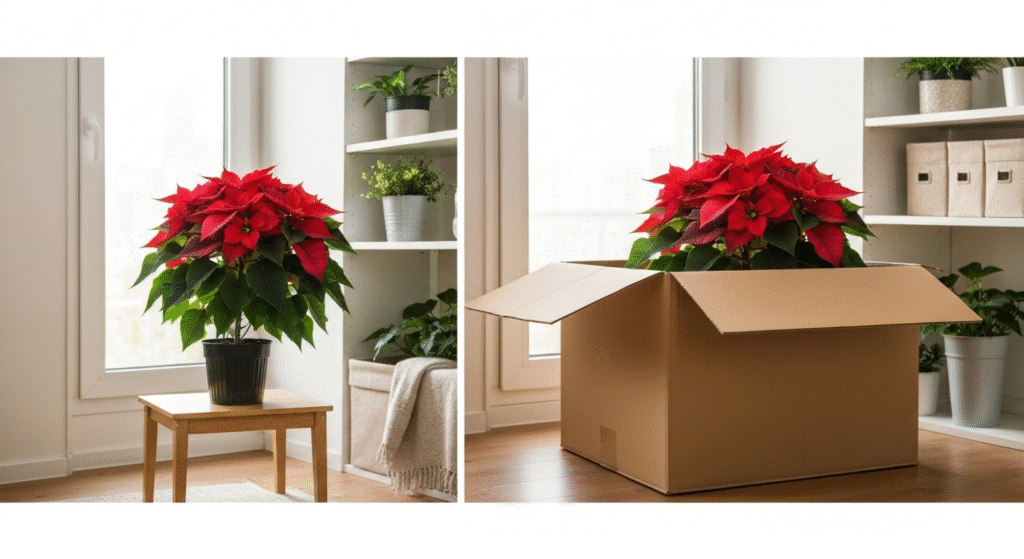
To force a bloom, you simply need to create an artificial autumn.
- Start Early: Begin the process about 8-10 weeks before you want the plant to be in full bloom.
- Ensure Total Darkness: Every day, move the plant to a location where it will receive 12-15 hours of complete, uninterrupted darkness. A closet, a little-used bathroom, or a cardboard box works perfectly.
- Provide Daylight: Each morning, move the plant back to a spot where it gets at least 6-8 hours of bright, indirect light.
- Be Consistent: Stick to this routine daily. Skipping even a day or two can reset the plant’s clock.
- Watch for Buds: After 4-6 weeks, you should start to see flower buds forming. Once you do, you can stop the dark treatment and leave the plant in its regular spot.
Choosing the Right Window
The direction your windows face dramatically affects the light your plants receive, and this changes with the seasons.
- South-facing windows provide the most intense light, especially during the winter when the sun is in the southern sky. This is ideal for plants that need high light intensity.
- East-facing windows offer gentle morning sun that isn’t too harsh. This is great for many flowering plants like African violets.
- West-facing windows get strong, hot afternoon sun, which can scorch some delicate plants.
- North-facing windows provide the least amount of light and are generally only suitable for low-light foliage plants, not for most bloomers.
Frequently Asked Questions
Can artificial light at night really stop my Christmas cactus from blooming?
Yes, absolutely. Short-day plants are extremely sensitive. Even low levels of light from a TV, a streetlamp outside a window, or a brief visit to the room can interrupt the critical dark period and prevent the plant from setting buds.
What is the difference between light duration (photoperiod) and light intensity?
Light duration is the number of hours of light a plant gets, which triggers seasonal responses like flowering. Light intensity is the brightness or strength of the light, which fuels photosynthesis and overall plant energy. A plant can have a long duration of weak light and still not have enough energy to be healthy.
Why won’t my orchid rebloom even with perfect light?
Many common orchids, like Phalaenopsis, are day-neutral, so light duration isn’t their primary bloom trigger. For them, a drop in nighttime temperature for a few weeks is often the signal needed to initiate a new flower spike. Their failure to bloom is usually related to temperature or maturity, not day length.
Do grow lights affect a plant’s sense of day length?
Yes, they do. You can use a grow light on a timer to either extend the day for long-day plants or to ensure a short-day plant gets enough bright light during its shorter “day” period. The key is controlling when the light is on and off to mimic the desired season.
Conclusion
The seasonal dance between daylight and your indoor plants is a beautiful and predictable rhythm. By understanding whether your plant is a short-day, long-day, or day-neutral species, you gain the power to work with its natural cycles, not against them. The secret to a home filled with color, even in the darkest months, isn’t about having a “green thumb”—it’s about being a curious and observant caregiver.
Watching a plant respond to the care and conditions you provide is one of the most rewarding aspects of keeping houseplants. It connects us to the subtle, powerful forces of the natural world right from our own living rooms. So the next time you see your poinsettia turn red or your African violet produce another flush of flowers, you’ll know it’s not just a happy accident, but a quiet conversation between your plant and the sun.

Pingback: Root Rot in Indoor Flowers: Signs, Treatment, and Prevention