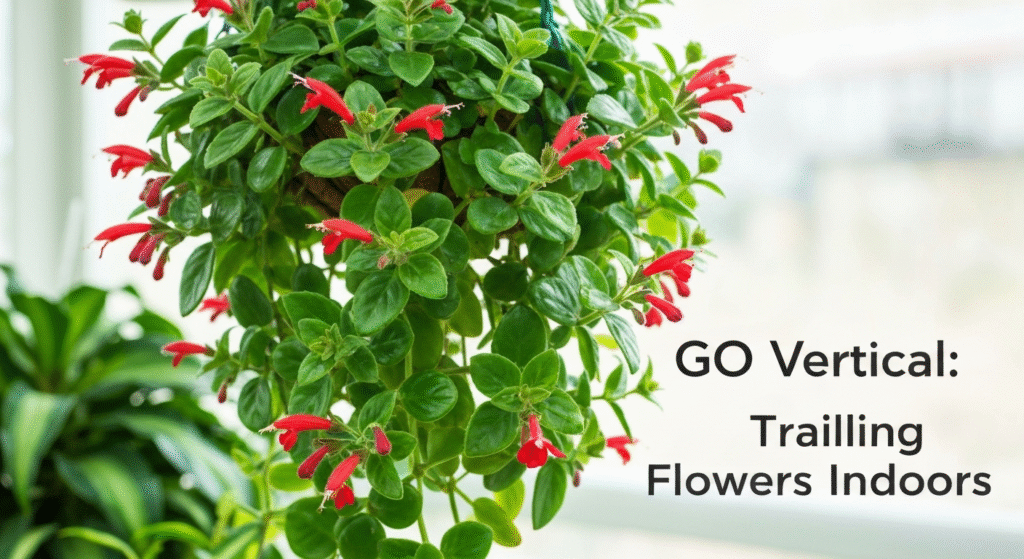

When we think about adding plants to our homes, our minds often go to pots sitting on floors, tables, or windowsills. We fill up our horizontal surfaces quickly. But what about all that empty space above? Using trailing flowering plants to create vertical interest is one of the most effective ways to transform a room from a simple living space into a lush, dynamic indoor garden. It draws the eye upward, adds layers of texture and color, and makes even the smallest rooms feel more alive and expansive.
My name is Kamil Khan. For years, I’ve been fascinated by how indoor flowers can completely change the feel of a space. My journey started with a single, stubborn orchid and grew into a passion for understanding how different plants behave and thrive indoors. This has led me to explore everything from common houseplants to more unusual bloomers, always with an eye for how they interact with our living environments. What I love most is sharing what I’ve learned, helping others discover the simple joy of growing beautiful, flowering plants right in their own homes.
The Art of Going Vertical: Why Trailing Plants Work Wonders
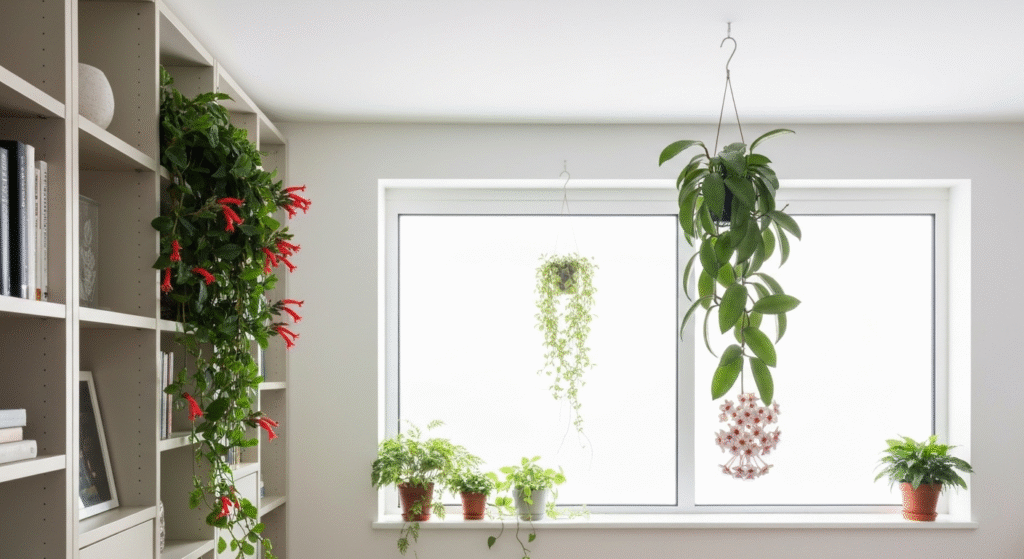
Before we get into specific plants and methods, let’s talk about why this approach is so impactful. Adding vertical elements to any design, whether it’s interior decorating or gardening, is a classic technique. It forces the eye to move around the room, creating a sense of height and energy. Trailing plants are nature’s perfect tool for this. Their cascading vines and flowers soften hard lines, fill empty corners, and bring life to otherwise overlooked areas like the tops of bookcases or the space above a window.
From a practical standpoint, growing vertically is a brilliant space-saving solution. If you live in an apartment or have limited floor space, hanging plants or placing them on high shelves allows you to expand your collection without adding clutter. I’ve worked with many people who thought they didn’t have room for more plants, only to realize they had a whole new dimension to explore once they started looking up.
Key Benefits of Vertical Planting with Trailing Flowers:
- Maximizes Space: You can fit more plants into a small area without sacrificing floor or surface space.
- Adds Dimension: It creates layers and visual depth, making a room feel more curated and interesting.
- Improves Aesthetics: Trailing foliage and flowers can soften the sharp angles of furniture and walls.
- Draws the Eye Upward: This trick makes ceilings feel higher and rooms seem larger and more open.
Top Performers: The Best Trailing Flowering Plants for Your Home
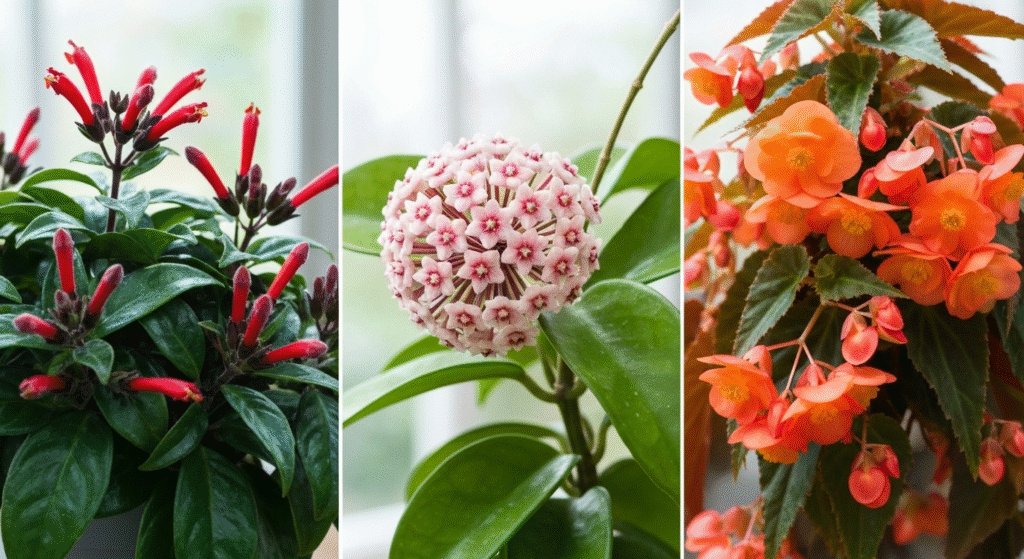
Not all trailing plants are created equal, especially when you want those beautiful blooms. Some are grown primarily for their foliage, but several reliable bloomers are perfectly suited for hanging baskets and high shelves. Over the years, I’ve found these three to be some of the most rewarding.
Lipstick Plant (Aeschynanthus radicans)
The Lipstick Plant is a personal favorite of mine for its unique and vibrant flowers. It gets its name from the bright red tubular blossoms that emerge from darker, maroon-colored calyxes, looking just like a tube of lipstick. This plant brings a truly tropical feel indoors with its glossy, deep green leaves and striking flowers.
In my experience, the key to getting a Lipstick Plant to bloom consistently is providing it with bright, indirect light. I have one hanging in an east-facing window where it gets gentle morning sun, and it rewards me with flowers for months on end. They don’t like to be moved around too much, so once you find a happy spot, try to leave it there. They also appreciate higher humidity, which you can provide by misting it a few times a week or placing it near a small humidifier.
| Feature | Description | Care Tip |
| Flowers | Bright red, tubular flowers emerging from a dark calyx. | Blooms best in bright, indirect light. Avoid direct sun. |
| Foliage | Waxy, pointed, dark green leaves on cascading stems. | Prune after flowering to encourage bushier growth. |
| Watering | Keep soil consistently moist, but not waterlogged. Water less in winter. | Let the top inch of soil dry out between waterings. |
| Light | Bright, indirect light is ideal. | An east-facing window is often the perfect location. |
Hoya (Hoya carnosa)
Hoyas, often called Wax Plants, are famous for their stunning, star-shaped flowers that grow in ball-like clusters. These flowers are often fragrant, especially in the evening, and have a beautiful waxy texture. There are hundreds of Hoya varieties, but Hoya carnosa is one of the most common and resilient for indoor growing.
The most important lesson I’ve learned about Hoyas is patience. They can take a few years to mature and start flowering, but it is well worth the wait. They are also epiphytes, meaning they grow on other plants in their native habitat, so they prefer to be slightly root-bound in a well-draining potting mix. One common mistake is to cut off the long, bare tendrils they sometimes send out. Avoid doing this! These are the spurs where new leaves and flowers will form.
| Feature | Description | Care Tip |
| Flowers | Waxy, star-shaped flowers in spherical clusters. Often fragrant. | Do not remove the peduncles (flower spurs) after blooming; they will re-bloom there. |
| Foliage | Thick, waxy leaves. Varieties can have green, variegated, or speckled foliage. | Can tolerate lower light, but needs bright, indirect light to flower. |
| Watering | Allow soil to dry out significantly between waterings. Drought-tolerant. | Overwatering is the most common way to harm a Hoya. |
| Light | Bright, indirect light. | More light generally encourages more prolific blooming. |
Trailing Begonias (Begonia boliviensis hybrids)
While many people think of Begonias as upright, mounding plants for shade gardens, there are spectacular trailing varieties that are perfect for hanging baskets. Hybrids of Begonia boliviensis, often called ‘Bonfire’ or ‘Santa Cruz’, produce an incredible number of brilliant, bell-shaped flowers in shades of red, orange, and pink.
These are what I call “showstopper” plants. When they’re in full bloom, they become a cascading waterfall of color. They do require a bit more attention than Hoyas. They like consistent moisture and will drop flowers if they dry out completely. I’ve found they perform best in a spot with bright, indirect light, similar to the Lipstick Plant. They also benefit from regular feeding with a balanced liquid fertilizer during the growing season to support their prolific blooming.
| Feature | Description | Care Tip |
| Flowers | Abundant, bell-shaped flowers in fiery shades of red, orange, and pink. | Deadhead spent blooms to encourage continuous flowering. |
| Foliage | Angel-wing shaped leaves, often with serrated edges. | Protect from strong winds if placed outdoors in summer. |
| Watering | Keep the soil evenly moist but avoid letting it get soggy. | Good drainage is critical to prevent tuber rot. |
| Light | Bright, indirect light or morning sun. | Too much direct sun can scorch the leaves and flowers. |
Hanging and Placement: Your Strategy for Vertical Success
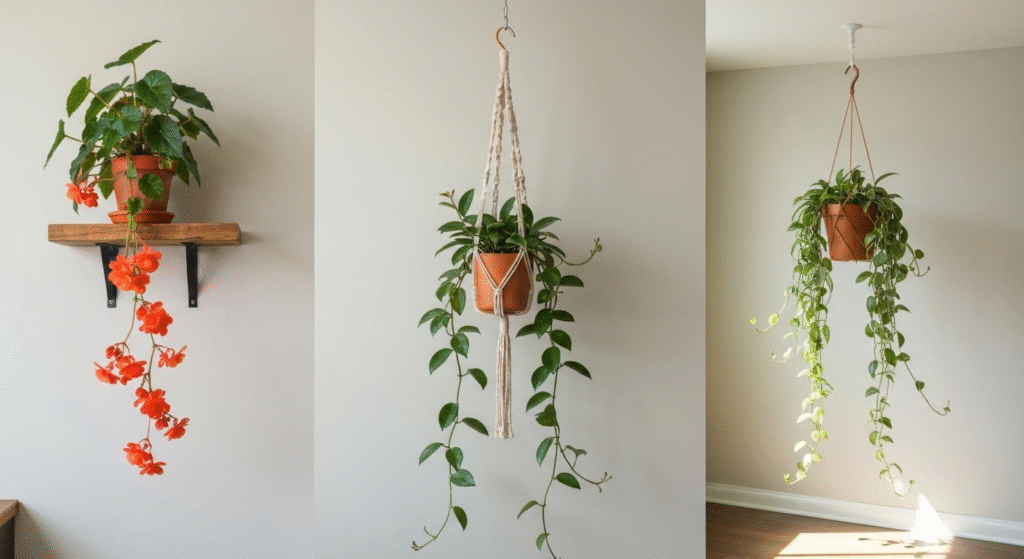
Once you’ve chosen your plants, the next step is deciding how and where to display them. This is where you can get creative and truly integrate them into your home’s decor. Your two main options are hanging them from the ceiling or placing them on elevated surfaces.
Choosing Your Hanging Method
Hanging your plants is the most direct way to add vertical interest. The hardware you choose can either be purely functional or a decorative element in its own right.
Simple Hooks vs. Decorative Hangers
- Simple Ceiling Hooks: These are minimalist, inexpensive, and keep the focus entirely on the plant. They require drilling into a ceiling joist for secure installation. You have to be certain about the placement, as moving them leaves a hole. I use these for heavier ceramic pots or in spots where I want a clean, unobtrusive look.
- Macramé and Decorative Hangers: These have seen a huge resurgence in popularity, and for good reason. They add a layer of texture and style. Macramé hangers provide a bohemian feel, while metal or leather ones can look more modern. The hanger itself becomes part of the decor. They are also versatile; you can easily swap out different pots and plants within the same hanger.
Here’s a quick comparison to help you decide:
| Factor | Simple Hooks | Macramé/Decorative Hangers |
| Aesthetics | Minimalist, clean, almost invisible. | Adds texture, color, and style. A decorative piece. |
| Cost | Very low cost. | Varies from affordable to expensive for handmade items. |
| Installation | Requires drilling into a ceiling joist for security. | Hangs from a hook, so installation is the same. |
| Versatility | Less versatile; sized for a specific pot. | Highly versatile; can hold various pot sizes and shapes. |
| Best For | Heavy pots; situations where the plant is the sole focus. | Lightweight pots; adding a decorative touch to a room. |
Strategic Shelf Placement
If drilling into your ceiling isn’t an option, or if you prefer a different look, using shelves is a fantastic alternative. This method allows the plants to cascade down, creating a beautiful “spilling” effect.
Using High Surfaces to Your Advantage
- Tops of Bookcases and Cabinets: This is one of the easiest ways to get started. Placing a trailing plant on top of a tall piece of furniture instantly draws the eye up and softens the furniture’s hard lines. I have a Hoya trailing down the side of my bookshelf, and it turns a simple piece of furniture into a living feature. Just be mindful of the light conditions in that spot.
- Floating Shelves: Installing a few floating shelves, either in a straight line or staggered, creates a dedicated space for a vertical plant display. This gives you complete control over the composition. You can mix and match different trailing plants and pot styles to create a unique wall feature. For a dramatic effect, place a shelf high up on a wall and let a plant with very long vines, like a Lipstick Plant, trail all the way down.
Pro-Tips for Shelf Styling:
- Give Them Room: Make sure the plant has enough space in front of it to trail freely without being crushed against the wall or other objects.
- Vary the Heights: If using multiple shelves, stagger them at different heights to create a more dynamic and natural look.
- Consider the Pot: The container is much more visible when it’s on a shelf at eye level or above. Choose a pot that complements both the plant and your room’s decor.
Practical Care for Hanging and Shelved Plants
Caring for trailing plants that are high up presents a few unique challenges, but they are easy to overcome with the right techniques.
Watering Without the Mess
This is the number one concern I hear from people. No one wants to spill water all over their floor or furniture.
- Use a Long-Spouted Watering Can: These allow you to reach plants without standing on a chair and pour water precisely at the base of the plant.
- Take Them to the Sink: For plants that are not too heavy or difficult to unhook, the best method is to take them down once a week. Give them a thorough watering in the sink, let them drain completely for 15-20 minutes, and then hang them back up. This prevents drips and ensures the soil is evenly saturated.
- Bottom Watering: Place the pot in a basin with a few inches of water and let it soak up moisture from the bottom for about 30 minutes. This is a great, mess-free method for plants on shelves.
Ensuring Proper Light
Light is often weaker near the ceiling. A plant hanging a few feet away from a window receives significantly less light than one sitting on the windowsill.
- Monitor the Top: The top of a hanging plant is often shaded by its own foliage. Make sure you rotate the plant every few weeks so that all sides, including the top where new growth starts, get adequate light.
- Choose the Right Spot: A plant that needs bright, indirect light will not flower if it’s hung in a dark corner. Be realistic about the light in your chosen spot. South or west-facing windows might be too intense, while an east or north-facing window might be perfect.
Frequently Asked Questions
How can I tell if my ceiling can support a hanging plant?
For security, always drill the hook directly into a ceiling joist, which is the wooden beam behind the drywall. You can find joists using a stud finder. If you can’t find a joist, you can use a toggle bolt rated for the weight of your plant and pot, but a joist is always the safest option.
Do trailing plants need to be pruned?
Yes, occasional pruning is very beneficial. Trimming back long or leggy stems encourages the plant to become fuller and bushier at the base. For flowering plants like the Lipstick Plant or Begonias, pruning after their main blooming cycle can stimulate new growth and more flowers next season.
What kind of pot is best for trailing plants?
A pot with excellent drainage is non-negotiable. For hanging plants, lightweight materials like plastic or resin are often a good choice to reduce the overall weight on the ceiling hook. If you use a decorative pot without a drainage hole, use it as a cachepot by keeping the plant in its plastic nursery pot and placing it inside.
How do I fertilize a hanging plant?
Fertilizing is best done when you water. During the growing season (spring and summer), mix a balanced, water-soluble fertilizer into your watering can according to the package directions. Since it can be messy to flush excess fertilizer salts from a hanging pot, it’s a good practice to take the plant to the sink for a thorough watering with plain water once a month.
Conclusion
Bringing flowering trailers into your home is more than just adding another plant; it’s about rethinking your space. By looking up and utilizing the vertical dimension, you can create a stunning, immersive indoor garden that feels both elegant and natural. Plants like the Lipstick Plant, Hoya, and trailing Begonias offer not just beautiful cascading foliage but also the added bonus of spectacular flowers that bring color and life to any room.
Whether you choose a simple hook, a stylish macramé hanger, or a strategically placed shelf, the key is to start. Pick one plant, find a bright spot, and watch how it transforms the space. In my years of growing, I’ve found that these vertical gardens bring a unique sense of peace and accomplishment. They fill our homes with beauty, turning blank walls and empty corners into dynamic points of interest.