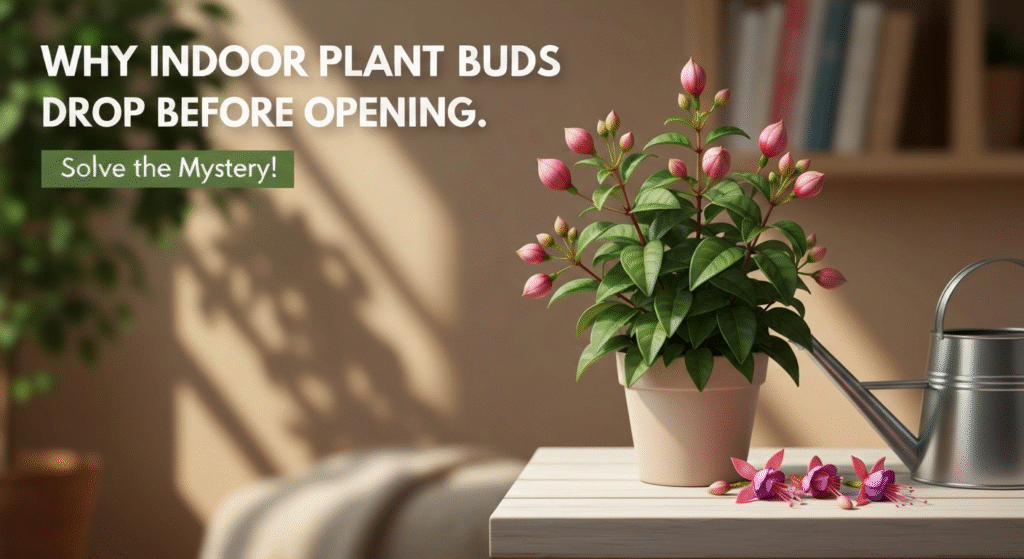

It’s a moment every plant owner looks forward to—the sight of tiny, perfect buds forming on a favorite houseplant. You watch them swell with promise, anticipating the burst of color that will soon follow. Then, one day, you find them on the floor, dropped before they ever had a chance to open. This frustrating experience, often called “bud blast,” can leave you wondering what you did wrong. Was it too much water? Not enough light? The truth is, your plant is sending a clear signal, and learning to read it is the key to preventing disappointment.
This isn’t about failure; it’s about communication. Dropping buds is one of the most direct ways a plant tells you it’s under stress. Instead of putting its energy into producing flowers, it shifts into survival mode, conserving resources until conditions improve. Understanding the triggers behind this behavior is the first step toward ensuring those precious buds make it to full bloom.
My name is Kamil Khan, and for years, my fascination has been with the quiet language of indoor flowers. I’ve spent countless hours observing how these plants respond to the subtle shifts within a home environment, from a drafty window to a change in the watering can. My passion isn’t rooted in formal horticulture but in a deep curiosity for understanding why plants do what they do. This work has taught me to see a dropped bud not as a failure, but as a clue to creating a more stable and nurturing space for these living things we welcome into our homes.
Understanding Bud Drop: Natural Thinning vs. A Cry for Help

Before we dive into the common stressors, it’s important to distinguish between two types of bud drop. Sometimes, a perfectly healthy and vigorous plant will produce more buds than it can realistically support. In these cases, it will naturally shed a few to channel its energy into developing the strongest blooms. This is a sign of a thriving plant making smart decisions.
Stress-related bud drop, or bud blast, is entirely different. It’s a plant’s defensive reaction to a sudden, negative change in its environment. The plant essentially panics and decides it cannot spare the immense energy required for flowering. Instead, it cuts its losses to focus on basic survival, like maintaining its leaves and roots. Knowing the difference helps you decide whether to relax or investigate.
| Type of Bud Drop | Typical Cause | What It Signals | Your Action |
| Natural Thinning | Overabundance of buds | The plant is healthy and conserving energy for the best blooms. | None. This is a normal process. |
| Bud Blast | Environmental stress or shock | The plant is in survival mode and cannot support flowering. | Investigate the cause and correct the environmental issue. |
The Primary Suspect: Sudden Environmental Shock

Plants are creatures of habit. They thrive on stability and can react poorly to abrupt changes. Most cases of bud blast can be traced back to a recent shift in the plant’s surroundings. Let’s break down the most common environmental triggers.
The Journey Home: Acclimation Stress in New Plants
The life of a houseplant before it reaches your home is often quite pampered. It grows in a commercial greenhouse with perfect temperature, automated watering, ideal humidity, and optimal light. Its journey from that stable environment to your living room is a major shock to its system.
I’ve learned this lesson the hard way. I once brought home a stunning fuchsia tree covered in dozens of delicate buds. Within a week, nearly every single one had dropped. My initial reaction was to blame myself, but the reality was simpler: the plant was struggling to adapt. The lower humidity, fluctuating temperatures, and different light in my home were a world away from the greenhouse. This initial bud drop is so common that I now expect it and focus on helping the plant acclimate rather than forcing it to bloom immediately.
Temperature Tantrums and a Hatred of Drafts
Indoor plants, especially tropical bloomers, are sensitive to sudden temperature changes. A blast of cold air from an open window or a rush of hot air from a heating vent can be enough to trigger bud drop. They don’t mind gradual seasonal shifts, but they despise unpredictable drafts.
Think about your plant’s placement. Is it:
- Near a frequently opened door leading outside?
- Directly under an air conditioning or heating vent?
- On a windowsill that gets drafty at night?
- Next to a radiator that clicks on and off?
I once had a beautiful orchid that repeatedly dropped its buds. I checked the water, the light, everything. Finally, I realized it was on a table next to the hallway where the front door created a small but consistent draft every time someone came in or out. Moving the plant just five feet away solved the problem completely for its next blooming cycle. This small adjustment made all the difference because it provided the stability the plant craved.
Watering Woes: The Inconsistency Problem
Both overwatering and underwatering are significant stressors that can lead to bud blast. When a plant is forming flowers, its need for consistent moisture is at its peak. Any disruption can signal to the plant that resources are unreliable, making it abandon the energy-intensive process of blooming.
Overwatering is often the bigger culprit. When soil is constantly soggy, the roots can’t breathe. This leads to root rot, which prevents the plant from absorbing water and nutrients, ironically causing symptoms similar to underwatering. The plant, sensing a critical failure in its root system, will quickly drop its buds to survive.
Underwatering is also problematic. If the soil dries out completely, the plant wilts and becomes stressed. Even if you water it afterward, the damage might be done. The plant may decide that the drought was a sign of unstable conditions and that it’s safer to drop the buds.
| Sign of Stress | Primary Cause | Soil Condition | How It Leads to Bud Drop |
| Yellowing leaves, mushy stem | Overwatering | Consistently wet or soggy | Roots suffocate and rot, cutting off nutrient supply to the buds. |
| Wilting, dry, brittle leaves | Underwatering | Dry and pulling away from pot | Plant enters drought stress and sheds non-essential parts, like flowers. |
| Buds turn yellow and soft | Overwatering | Damp, may have a sour smell | The plant is systemically failing due to root decay. |
| Buds shrivel and become crispy | Underwatering | Bone dry, lightweight pot | The plant cannot transport enough water to keep the delicate bud tissue alive. |
The best tool for getting watering right is your own finger. Don’t water on a strict schedule. Instead, check the soil every few days. Push your finger about an inch or two deep. If it feels dry, it’s time to water. If it feels moist, wait.
Deeper Causes: Beyond Environmental Shock

While environmental changes are the most frequent cause, other factors can contribute to bud blast. If you’ve stabilized the environment and the problem persists, it’s time to investigate these other potential issues.
The Role of Light and Humidity
Just as plants dislike temperature changes, they are also sensitive to shifts in light. Moving a plant that has already set buds from a bright, sunny spot to a dimmer corner can cause it to drop them. It recognizes that it no longer has enough light energy to support the process of flowering. Conversely, a sudden move to intense, direct sunlight can scorch the plant and cause similar stress.
Humidity is another crucial factor, especially for tropical natives like orchids, gardenias, and begonias. These plants evolved in humid climates. Dry indoor air, especially in winter when heaters are running, can desiccate the delicate bud tissues, causing them to shrivel and fall. A simple fix I often use is placing plants on a tray filled with pebbles and water. The evaporating water creates a small pocket of humidity right where it’s needed most, without leaving the roots sitting in water.
Nutrition and Pest-Related Stress
Flowering requires a huge amount of energy and specific nutrients, particularly phosphorus and potassium. If a plant is in nutrient-poor soil, it may not have the reserves to see the blooming process through. However, be cautious with fertilizer. Giving a plant a huge dose of fertilizer when it’s already stressed is like asking a sick person to run a marathon. It’s too much, too soon. It’s better to feed plants with a balanced fertilizer during their active growth period before they start budding.
Pests are another major energy drain. Tiny insects like aphids, thrips, or spider mites feed on the plant’s sap, stealing the resources it needs for blooming. If a plant is under attack, its priority will always be self-preservation, not reproduction. It will drop its buds to redirect energy toward fighting off the infestation. A regular check under the leaves and on the stems can help you catch these problems early.
A Closer Look: Plants Known for Bud Sensitivity
Some plants are simply more prone to bud blast than others. Learning their specific triggers can save you a lot of frustration. I’ve worked with many of these over the years and have found they each have their own particular dislikes.
| Plant Name | Key Sensitivities | My Experience & Tips |
| Gardenia | Literally any change. Temperature, watering, location, drafts. | This is the classic drama queen. Find a good spot with bright, indirect light and never move it once buds form. Keep watering perfectly consistent. |
| Orchid (Phalaenopsis) | Drafts, watering changes, low humidity. | Orchids hate “wet feet.” Water thoroughly, then let them almost dry out. A pebble tray for humidity is their best friend. Keep them away from vents. |
| Christmas/Thanksgiving Cactus | Sudden temperature drops, being moved. | These cacti set buds in response to cooler temps and shorter days. Once buds appear, keep its environment as stable as possible. Moving it can cause mass bud drop. |
| Hibiscus | Water stress (both over and under), light changes. | Hibiscus plants are thirsty, but they also hate soggy soil. They are notorious for dropping buds if they dry out even once or if you move them to a less sunny spot. |
| Fuchsia | Acclimation shock, heat stress, underwatering. | Fuchsias are very sensitive when first brought home. They also dislike intense heat, which can cause buds to fall. Keep them in a cooler spot with moist soil. |
A Proactive Strategy to Prevent Bud Drop
The key to preventing bud blast is creating an environment of stability and consistency. Your goal is to make your plant feel so safe and secure that it has no reason to enter survival mode.
- Ease the Transition: When you bring a new plant home, don’t be surprised if it drops some buds. Give it a few weeks to acclimate to its new home before you expect a perfect bloom.
- Pick a Spot and Stick to It: Once your plant has started to form buds, avoid moving it. Let it stay in its chosen location until the flowering cycle is complete.
- Water with Care: Use the finger test to determine when to water. Water thoroughly until it drains from the bottom, then let the top inch or two of soil dry out before watering again.
- Block the Drafts: Keep budding plants away from open windows, doors, and vents. A stable temperature is far more important than a perfect view.
- Boost Humidity: For tropical plants, use a pebble tray, group them, or run a small humidifier nearby, especially during dry winter months.
- Inspect Regularly: Make a habit of checking your plants for pests once a week. Catching an infestation early can prevent it from derailing a bloom cycle.
Frequently Asked Questions
If a plant drops its buds, can it bloom again in the same season?
It depends on the plant and the cause. If you quickly correct a minor environmental issue, some plants like hibiscus might produce a new set of buds. For others, like orchids or Christmas cacti, you will likely have to wait until the next blooming season.
Is it safe to rotate a plant that has buds on it?
A gentle quarter-turn every few days to ensure even light exposure is usually fine and even beneficial. However, avoid moving the plant from one location to another across the room once it has set buds.
Can the type of water I use cause bud blast?
In some cases, yes. Some sensitive plants like gardenias dislike the chlorine and minerals found in hard tap water. If you have a particularly fussy plant, letting tap water sit out overnight or using filtered or rainwater can sometimes help.
How do I know if my plant is dropping buds naturally or due to stress?
Natural thinning usually involves only a few buds dropping from a plant that otherwise looks very healthy and has many other strong buds developing. Stress-related bud blast is often more widespread, and you may see other signs like yellowing leaves or wilting.
Conclusion
Seeing flower buds fall is undeniably disappointing, but it’s rarely a sign that you are a bad plant owner. Instead, it’s a powerful lesson in observation and response. Your plant is communicating its needs in the clearest way it can. By focusing on creating a stable, consistent environment, you provide the security it needs to complete its beautiful and energy-intensive cycle of flowering. The goal isn’t just to see a bloom; it’s to build a trusting relationship with your plant, understanding its signals and responding with care. Get that right, and the flowers will surely follow.