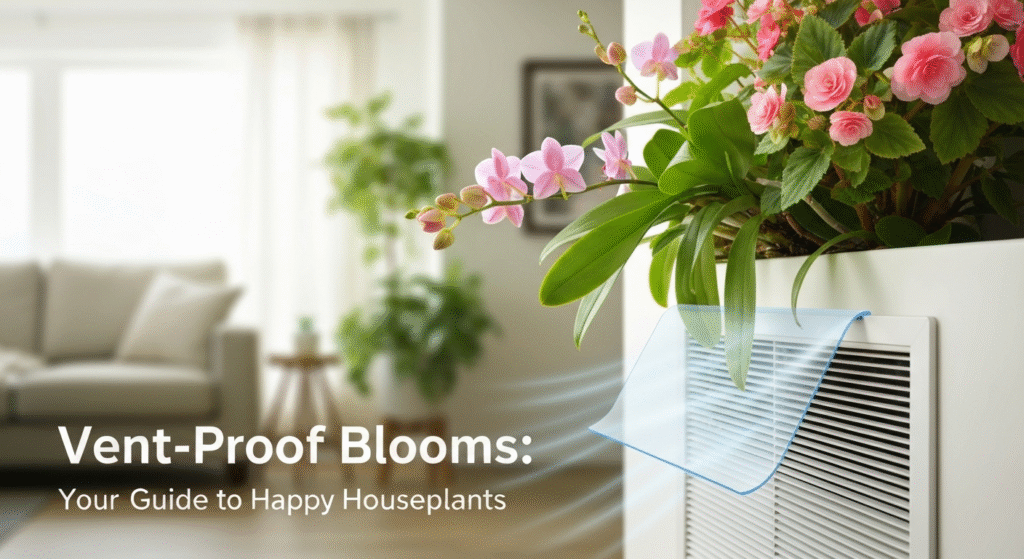

Finding the perfect spot for a new flowering houseplant can feel like a victory. The light is just right, it complements the decor, and it fills an empty corner perfectly. Then, the season changes. The air conditioning kicks on, or the furnace roars to life, and you realize your prized plant is directly in the path of a powerful air vent. This is a common challenge in many homes, where the best-lit spots are often compromised by forced air, creating a hostile environment for most plants. The constant drafts, drastic temperature changes, and bone-dry air can turn a thriving plant into a sad, struggling specimen.
My name is Kamil Khan, and for years, I’ve been dedicated to understanding the world of indoor flowers. My passion isn’t just about identifying beautiful plants; it’s about figuring out how to make them thrive in real-world home environments, which are often far from perfect. I’ve spent countless hours observing how different species react to the unique challenges of indoor living, from low light to, yes, the dreaded air vent. This experience comes from nurturing my own collection and helping fellow plant lovers troubleshoot why their plants aren’t flourishing. My goal is to share this practical knowledge, moving beyond generic advice to offer clear, tested solutions that work.
The Invisible Threat: Why Vents Harm Most Flowering Plants
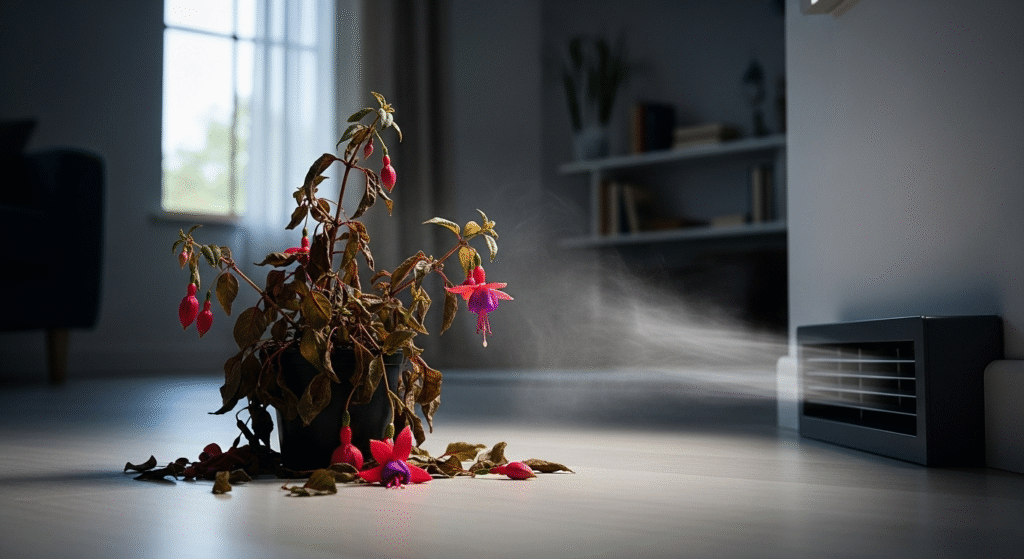
Before we can find the right plants for the job, it’s crucial to understand what we’re up against. An HVAC vent creates a microclimate that is fundamentally different from the rest of the room. This isn’t just a gentle breeze; it’s a concentrated stream of air that directly impacts a plant’s ability to regulate its basic functions.
Rapid Temperature Shock
Plants, especially tropical ones that make up most of our houseplants, thrive on stability. A sudden blast of icy air from an AC unit in the summer or a wave of dry heat from a furnace in winter is a massive shock to their system. This rapid temperature fluctuation can stress a plant to its breaking point. For flowering plants, this stress often manifests in a heartbreaking way: the plant will drop its buds before they even have a chance to open. This phenomenon, known as bud blast, is the plant’s survival mechanism to conserve energy when conditions become unfavorable.
Severe Lack of Humidity
The biggest issue with forced air is its extreme dryness. Both heating and air conditioning systems strip moisture from the air. When this dry air constantly flows over a plant’s leaves, it accelerates transpiration—the process of water evaporating from the foliage. The roots simply can’t draw up water fast enough to replace what’s being lost. This leads to the classic signs of a moisture-starved plant, even if you are watering it correctly.
- Brown, crispy leaf edges and tips
- Yellowing or drooping leaves
- Stunted growth
- Flowers that wilt and fade quickly
The Constant Draft
Even if the air isn’t extremely hot or cold, the persistent physical movement can be damaging. This constant draft further speeds up moisture loss from the leaves and can even weaken the stems over time. Plants in nature experience wind, but it’s usually intermittent and accompanied by higher outdoor humidity. An indoor vent is a relentless, dehydrating force.
| Vent Type | Primary Challenge | Common Plant Reactions |
| Air Conditioning (AC) | Cold Shock & Dry Air | Bud blast, leaf drop, slowed growth, brown leaf spots. |
| Heating Vent | Extreme Heat & Very Dry Air | Crispy/burnt leaf edges, rapid wilting, soil drying out too quickly. |
Tough Contenders: Flowering Plants That Can Take the Heat (and Cold)

While no plant truly loves being blasted by a vent, some are far more tolerant of dry air and temperature swings than others. These resilient species have adaptations, like thick, waxy leaves or robust root systems, that help them conserve water and withstand stress. Here are a few top performers I’ve seen succeed in these challenging locations.
The Unkillable Snake Plant (Dracaena trifasciata)
Often celebrated for its near-indestructibility, the Snake Plant is not typically thought of as a flowering houseplant. However, a mature and well-cared-for Snake Plant can surprise you by sending up a tall, elegant stalk covered in small, intensely fragrant, cream-colored flowers.
Its primary qualification for vent-side living is its incredible resilience. The thick, waxy, upright leaves are masters of water conservation, making them almost immune to the drying effects of forced air. They store water in their leaves and are not bothered by the low humidity that would decimate a fern or calathea.
- Tolerance: Extremely high. It handles drafts and dry air exceptionally well.
- Placement: Can be placed within a few feet of a vent without showing immediate stress.
- Care Tip: Water this plant sparingly. Its biggest enemy is overwatering, not underwatering. Let the soil dry out completely between waterings, as the dry air from the vent will help with this.
The Hardy ZZ Plant (Zamioculcas zamiifolia)
Like the Snake Plant, the ZZ Plant is another champion of neglect and tough conditions. Its glossy, dark green leaves are so thick and waxy they almost look artificial. This coating is a powerful defense against moisture loss. Underground, the plant has large, potato-like rhizomes that store significant amounts of water, allowing it to go long periods without a drink.
Its flower is subtle—a small, cream-colored spadix that appears at the base of the plant—but its ability to thrive near a vent is unmatched. It’s a plant that asks for very little and tolerates a wide range of conditions, including the dry drafts from an HVAC system.
- Tolerance: Extremely high. Its water-storing rhizomes and waxy leaves make it an ideal choice.
- Placement: It can be situated near vents where other plants have failed.
- Care Tip: Check the soil moisture deep in the pot. The top layer might be dry from the vent, but the rhizomes below could still be saturated. It’s better to err on the side of underwatering.
The Stoic Peace Lily (Spathiphyllum)
The Peace Lily is more of a mainstream flowering houseplant, known for its elegant white spathes and lush green leaves. It is certainly more sensitive than the Snake Plant or ZZ Plant, but it has a key advantage: it communicates its needs clearly. While it prefers high humidity, it can tolerate the drier air near a vent better than many other bloomers, provided you are observant.
When a Peace Lily is thirsty or stressed by dry air, its leaves will droop dramatically. This gives you a clear visual cue that it’s time to water. Unlike other plants that just develop brown spots, the Peace Lily will bounce back quickly, often within hours of being watered. This resilience makes it a manageable, if not perfect, option for vent-adjacent spots.
- Tolerance: Medium. It will show stress but recovers well with prompt care.
- Placement: Best placed where it gets indirect airflow, not a direct blast.
- Care Tip: Because the vent dries the soil faster, you may need to water your Peace Lily more frequently. Use its drooping leaves as your guide, but always confirm with the finger test before adding water.
| Plant | Vent Tolerance | Key Adaptation | Pro | Con |
| Snake Plant | High | Waxy, water-storing leaves. | Almost impossible to kill with dry air. | Blooms are rare and infrequent. |
| ZZ Plant | High | Water-storing rhizomes and coated leaves. | Thrives on neglect and is very forgiving. | Flower is not very showy. |
| Peace Lily | Medium | Communicates thirst by drooping. | Bounces back quickly after watering. | More sensitive to direct drafts. |
Strategic Defense: How to Protect Any Plant Near a Vent
Even if you don’t have one of the super-tough plants listed above, you can still place plants near vents by using some smart strategies to mitigate the damage. It’s all about disrupting the direct path of the airflow.
The Tissue Test: A Simple Way to See the Air
You can’t see the air, but you can see its effect. Before placing any plant, perform this simple test I use to map out airflow in a new space.
- Turn on your AC or heating system.
- Take a single square of toilet paper, a light ribbon, or a piece of tissue paper.
- Hold it by the corner and move it around the area where you want to place your plant.
- Watch its movement. Does it flutter gently? Or is it being blown horizontally?
This test will show you the exact path and intensity of the draft. Your goal is to find a spot where the tissue barely moves, indicating it’s out of the direct line of fire.
Create Barriers and Redirect the Flow
If the perfect spot for your plant is right on top of a vent, you don’t have to give up. Instead, modify the environment.
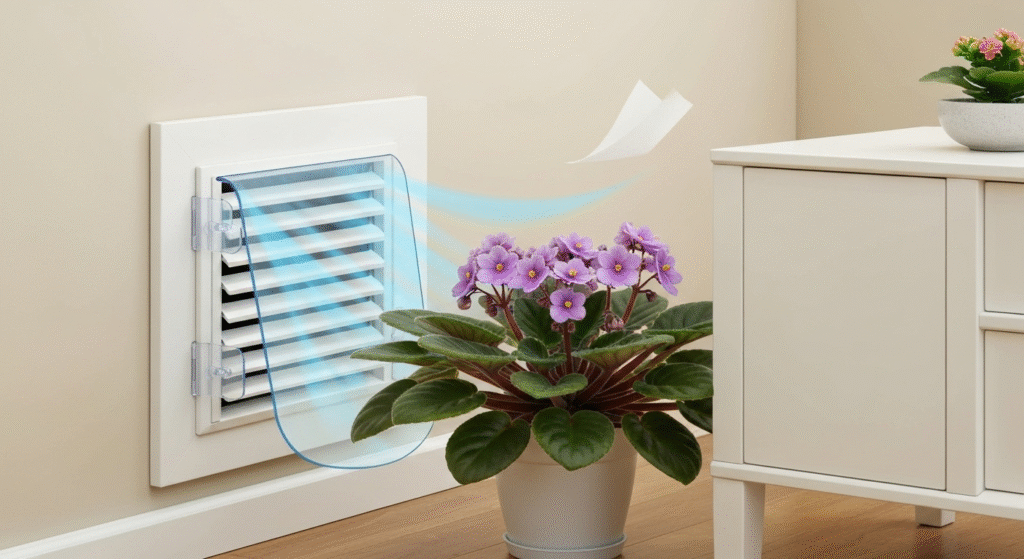
- Air Deflectors: These are simple, clear plastic shields that attach over your vent covers (with magnets or screws). They don’t block the air but redirect it away from your plant, usually upwards or along the wall. They are inexpensive and incredibly effective. I use them in my own home to protect plants on bookshelves that are situated over floor vents.
- Strategic Furniture Placement: Use furniture as a natural barrier. A well-placed armchair, console table, or bookshelf can block the direct airflow, creating a calmer, more protected pocket of air for your plant.
The “Goldilocks Zone”: Finding the Right Distance
Distance is your friend. The force and drying effect of a vent diminish significantly with every foot of space. As a general rule, try to keep plants at least 3 to 5 feet away from any vent. This is often enough to move them out of the direct stream while still allowing them to benefit from the room’s overall regulated temperature.
Counter-Offensive: Adjusting Your Care Routine
Plants near vents will always be in a more demanding environment, so your care routine needs to adapt accordingly. The primary goal is to reintroduce the humidity that the HVAC system is removing.
Creating a Humid Microclimate
You don’t need to turn your whole house into a jungle. You just need to raise the humidity in the immediate vicinity of your plant.
- Pebble Trays: This is a classic and effective method. Take a shallow tray or saucer, fill it with a layer of small pebbles or gravel, and add water until it’s just below the top of the pebbles. Place your potted plant on top. As the water evaporates, it creates a personal cloud of humidity right around the plant. You just have to refill the tray every few days.
- Grouping Plants: Plants naturally release moisture through transpiration. By grouping several plants together, you allow them to share this moisture, creating a more humid microclimate that benefits the entire group.
Watering: The Most Important Adjustment
The soil of plants near vents will dry out much faster than elsewhere in your home. This means you cannot stick to a rigid watering schedule like “once a week.”
- Check More Frequently: Instead of checking the soil weekly, check it every 2-3 days, especially when the heat or AC is running constantly.
- Rely on the Finger Test: The most reliable method is still the best. Stick your finger about two inches into the soil. If it comes out dry, it’s time to water. If it’s damp, wait another day or two and check again.
- Water Thoroughly, Not Lightly: When you do water, do it thoroughly. Let water run through the pot and out the drainage holes. This ensures the entire root ball is saturated, giving the plant a good reserve to draw from as the vent does its work.
Frequently Asked Questions
Why are the tips of my plant’s leaves turning brown and crispy?
This is the most common sign of low humidity. The air from the vent is pulling moisture from the leaves faster than the roots can supply it, causing the leaf tissue at the furthest point—the tip—to die first.
Can I use a small humidifier for my plants near vents?
Absolutely. A humidifier is the single most effective tool for combating the dry air from an HVAC system. Placing a small humidifier near a group of plants will make a massive difference in their health and vitality.
Is a ceiling vent less damaging to a plant on the floor than a floor vent?
Generally, yes. The air from a ceiling vent has more time and space to diffuse before it reaches a plant on the floor. However, a floor vent blowing hot air is particularly dangerous because the heat rises directly through the plant’s foliage, essentially “cooking” it. Both require caution, but direct hot air from a floor vent is often the most damaging.
My flowering plant dropped all its new buds right after I moved it. What happened?
This is likely a case of bud blast caused by environmental shock. The sudden change in temperature, light, and humidity from being moved to a new spot, especially one near a vent, can cause the plant to drop its buds as a stress response.
Conclusion
Living with central air and heating doesn’t mean you have to give up on having beautiful flowering houseplants. The key to success is working with your home’s environment, not against it. By choosing naturally resilient plants like the Snake Plant or ZZ Plant, you set yourself up for an easy win. For your more delicate favorites, success lies in smart placement and proactive care. Use the tissue test to understand your airflow, use deflectors to redirect it, and create a humid oasis with pebble trays or grouping. With a little observation and a few simple adjustments, you can ensure your blooming plants thrive, no matter how close they are to a vent.