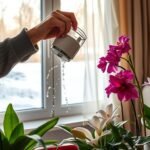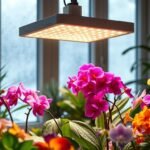

Surprising fact: over 70% of indoor bloom failures trace back to watering mistakes, not pests or fertilizer.
If your plant looks sad, you can often fix it in minutes. This short guide helps you spot whether a planter is getting too much water or not enough.
Water problems are the quickest way to lose blooms, especially when you grow indoor flowering plants in dim spaces. Remember: low doesn’t mean zero—some indirect glow still matters, and less glow slows soil drying.
You’ll get a fast diagnosis checklist—soil feel, saucer water, leaf cues, and stem texture—and immediate fixes you can try today.
Many common plants tolerate dim rooms, but blooms often bounce back after a few months of brighter indirect sun or a small grow bulb. I’ll also call out specific species like peace lilies, orchids, african violets, and kalanchoe so you know what to do fast.
Good news: stressed flowers usually recover if you correct watering and drainage quickly.
Key Takeaways
- Water mistakes cause most indoor bloom loss—act fast.
- Use a 2-minute triage: soil, saucer, foliage, stem.
- Some indirect sun still matters; drying slows in dim spots.
- Immediate fixes and prevention steps can revive many plants.
- Species-specific tips will help peace lilies, orchids, african violets, and more.
Why Watering Mistakes Happen More in Low Light Homes
When rooms grow dim, the rules for watering change fast—what worked near a sunny window often fails.
Low light in a real home is not a technical reading. Think: a pot set three feet from a north window, a plant behind sheer curtains, or a spot under an overhang. These are filtered exposures that slow soil drying.
How reduced sun alters soil and blooms
Less direct energy slows evaporation and plant transpiration. That means a schedule that fit summer or a brighter room can become too frequent here.
Indirect sun versus direct sun
Indirect light gives steady energy without scorching leaves. It dries pots slower than direct sunlight, which speeds dry-down and can boost bloom cycles if the plant tolerates it.
“Our eyes adjust quickly to gloom, so decisions by sight often mislead. A light meter removes the guesswork.”
| Real-home sign | How soil dries | Bloom expectation |
|---|---|---|
| Three feet from window or behind sheer curtain | Slow dry-down; longer between waterings | Tolerates growth; may need brighter stint for buds |
| Near south or west window with filtered shade | Moderate drying; check weekly | Better bloom potential with steady indirect light |
| Direct sunlight window ledge | Fast dry-down; more frequent watering | Often more blooms if species tolerates heat |
- Human vision adapts to dimness; a meter helps set true levels.
- Less energy = longer water intervals; more energy = faster checks needed.
- Many bloomers tolerate dim spots but often need a few months of brighter exposure to initiate buds.
The Fast Triage Check You Can Do in Two Minutes
You can diagnose most watering problems in under two minutes with a few simple touches. Start with the fingertip test Joyce Mast recommends: push your finger 2–3 inches into the mix.
If the core is dry, water thoroughly until liquid runs from drainage holes. If it’s damp, hold off — surface dryness can mislead, especially when light is limited.
Quick checks
- Look under the pot and in any saucer or decorative cover for standing water. Empty trapped water immediately.
- Remove spent blooms and yellowing foliage to redirect energy into new blooms.
- Scan leaves for dullness or early yellowing — these are watering stress clues, not just age.
Touch test: what to feel
Limp stems can signal dehydration or root trouble. Crispy tips usually mean underwatering. Mushy stems point to overwatering and rot.
“A simple finger check and an empty saucer often solves what looks like a big problem.”
| Check | What to find | Likely action |
|---|---|---|
| Finger 2–3 inches | Dry | Water thoroughly; let drain |
| Saucer/pot cover | Standing water | Empty and improve drainage |
| Leaves/folliage | Yellowing or spent blooms | Deadhead and reassess watering |
Decision tree (quick): core dry = water; core damp + standing saucer water = remove water and wait; mushy stems = stop watering and inspect roots. Always check the room’s light level while you triage to avoid misdiagnosis.
Signs Your Indoor Flowering Plants Are Overwatered
A soggy mix can steal oxygen from roots and quickly dim a plant’s vigor. That loss shows up in easy-to-spot ways you can act on fast.
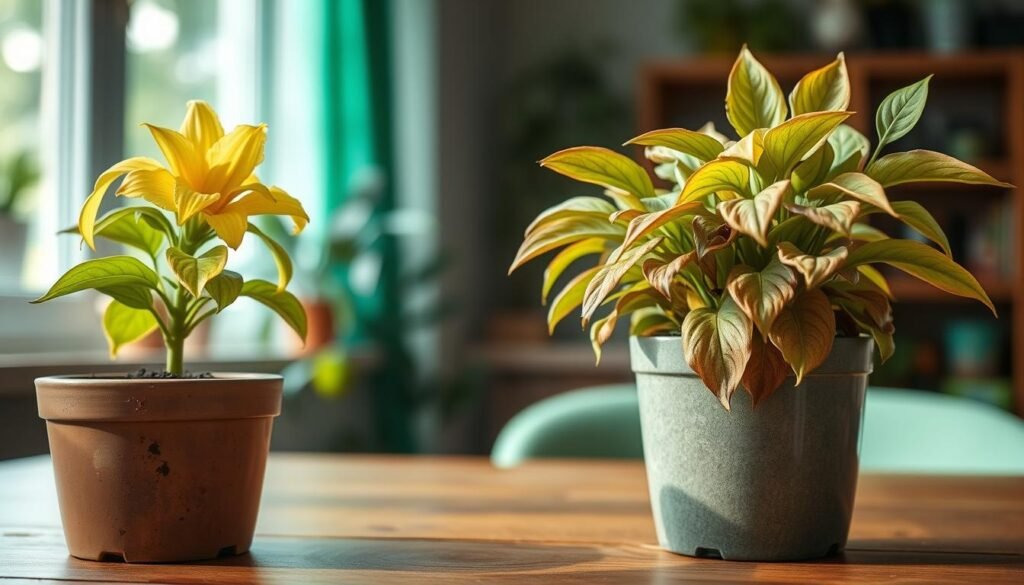
Yellowing leaves and soft growth: Leaves turn yellow but feel soft rather than crisp. New shoots look weak and the whole plant has a “tired” appearance, even though the soil is wet.
Drooping with wet soil — the drowned roots clue: If the potting mix feels damp and the stem or leaves droop, the problem is likely lack of oxygen at the roots, not thirst. Roots need air; standing water or a full saucer can suffocate them.
Smell and texture warnings: A musty odor, slimy surface, or mushy stems signal rot. These are urgent signs — stop watering and inspect roots right away.
Anthurium example: An anthurium can persist in dim rooms, but when its root zone stays soggy it will produce fewer, muted blooms and faded color on bracts.
One yellow leaf now and then is normal, but a pattern of wet mix plus repeated yellowing is a reliable overwatering signal. Some symptoms overlap with drought, so confirm with a soil and saucer check before deciding your next move.
Signs Your Indoor Flowering Plants Are Underwatered
Dry, crispy edges and soil that pulls away from the pot are telltale signs your plant is thirsty.
Crispy edges, dry potting mix, and fast wilting
Crispy leaf margins and curling tips feel crunchy to the touch. The potting mix may shrink from the pot walls or feel dusty a couple inches down.
Fast wilting often happens in small pots, warm rooms, or near vents. This wilt is different from an overwatered droop — leaves go brittle, not soft.
Bud drop and shorter bloom window indoors
Under drought stress, buds often abort. That can reduce a display that should last weeks down to just days.
Even plants in dim rooms can become thirsty if root-bound, in a very airy mix, or set in a warm, dry spot. Always check 2–3 inches below the surface before you water.
| Sign | How it feels | Why it matters |
|---|---|---|
| Crispy edges | Brittle, brown tips | Shows tissue dehydration |
| Shrinking potting mix | Pulls from pot, dusty below | Roots losing contact with moisture |
| Bud drop | Buds fall or never open | Shortens bloom display from weeks to days |
Tip: consistent, moderate moisture—not sogginess—supports stronger blooms and fewer dropped buds. Check deeper first, then water thoroughly so the whole root zone rehydrates.
How to Confirm the Problem by Checking Soil, Pot, and Roots
Start by inspecting the container — the pot often holds the key to why a plant is wilting or yellowing.
Drainage holes: why they matter
Audit the pot. Confirm there are open drainage holes and nothing blocks them — liners, compacted roots, or decorative covers stop flow.
Flowering houseplants are less forgiving when the mix stays wet. In dim rooms water drains slower and roots can drown if the saucer traps moisture.
Potting mix clues
Feel the medium a few inches down. Compacted, peat-heavy media hold water for too long. Overly sandy mixes dry too fast and lead to repeat wilting.
Root health basics
Slip the root ball out gently. Healthy roots are firm and pale. Rot looks dark and mushy; severe dryness looks brittle.
Root-bound plants can dry out fast and need repotting. Use this check as the tie-breaker when symptoms feel mixed.
Tip: water thoroughly only when needed, make sure water exits the holes, and avoid trapped saucer water. Better light for a few months helps blooms, but good roots and drainage set daily success under your room’s conditions.
Immediate Fixes for Overwatered Indoor Flowers
Act fast: stopping water and removing trapped moisture saves many plants before roots rot.
First steps: pause watering at once. Carefully dump any standing water from saucers or decorative covers. Remove the plant from pot covers that hold moisture so the base can breathe.
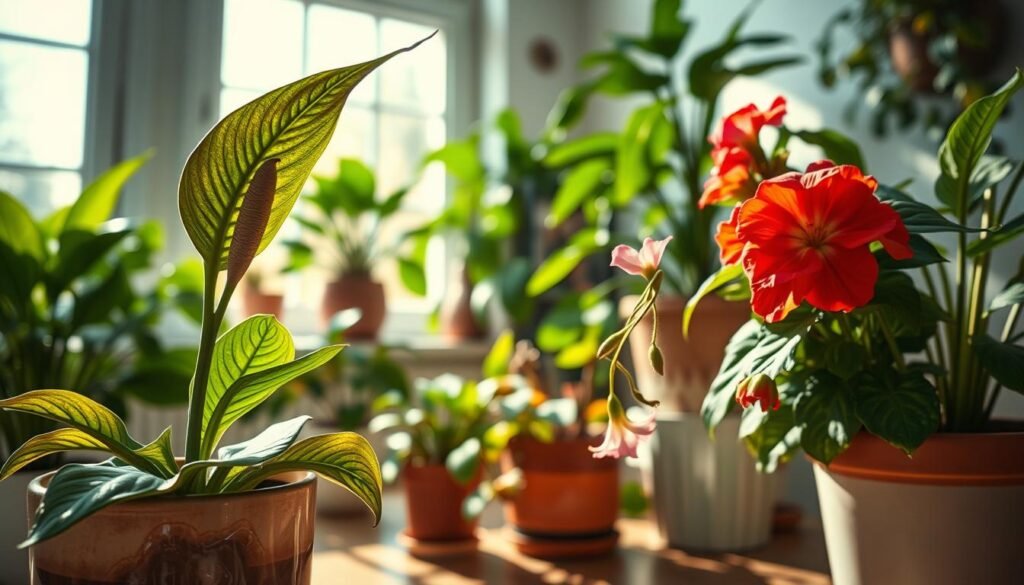
Stop the damage and increase airflow
Space plants so air moves between pots. A gentle fan on low for a few hours a day helps the mix dry without chilling the foliage.
When to repot into fresh, well-draining mix
Repot if you smell sour soil, see dark mushy roots, or the medium stays wet for days. Use a mix with chunky bark or perlite so water drains quickly and roots get oxygen.
Trim smart to protect future blooms
Remove mushy stems and yellowing leaves to redirect energy into new growth. Avoid removing healthy shoots; the plant needs foliage to rebuild and set blooms again.
Expect recovery: leaves may not uncurl, but new growth often appears within a few weeks once roots stabilize. Slightly better light (still indirect for most) speeds recovery, but do not shift plants into harsh sun suddenly.
For seasonal watering adjustments and timing, see adjusting schedules through the seasons to prevent repeat problems.
Immediate Fixes for Underwatered Indoor Flowers
When a pot has dried deep inside, a fast, thorough soak restores the root zone more reliably than a light sprinkle.
Thorough rehydration that reaches roots: Water slowly until runoff appears at the drainage holes. Pause, let the mix absorb for a few minutes, then water again so the whole root ball wets evenly. This is especially important when the medium became hydrophobic after severe drought.
When to use bottom-watering — and when to avoid it
Bottom-watering helps many plants by encouraging even moisture uptake. Set the pot in a shallow tray of water for 15–30 minutes so the mix draws water up, then remove it and let excess drain.
Avoid bottom-watering if the species or mix stays wet too long or if roots are already fragile. Standing water in the saucer can invite rot for susceptible plants.
Stabilize buds and blooms after drought stress
Rehydrate early in the day so the plant recovers through normal light and hours of activity. Keep temperatures steady and skip repotting unless roots are damaged.
Limit movement and shield the plant from HVAC vents or dry air sources that can dehydrate pots quickly. Some flowers may drop after drought; focus on protecting remaining buds and supporting new growth over the next few weeks.
Reset routine: after a wilt episode, check moisture depth 2–3 inches below the surface rather than reacting to one wilt. This habit prevents repeated stress and keeps blooms more consistent.
low light flowering houseplants care: A Watering Routine That Prevents Both Extremes
Treat each pot individually—moisture levels, not dates, should decide watering. Start with the fingertip test: press 2–3 inches into the mix. If dry, water thoroughly and let excess run from the holes.
Water “when the mix is dry,” not by the calendar
Why it works: seasonal growth and room conditions change how fast soil dries. A calendar can over- or under-estimate needs.
Build a habit: check the mix before you plan watering. This prevents both soggy soil and repeated wilting.
Seasonal shifts: warmer months vs winter indoor conditions
Warmer months speed evaporation; you may water more often. In winter, cooler temperatures and lower growth slow drying.
Track a loose interval (for example, “usually dries in 7–10 days here”) and adjust each month rather than sticking to a fixed schedule.
How long “somewhat moist” should last without staying soggy
After watering, the root zone should be evenly damp and then slowly dry over days—never stay swampy. If it stays wet for more than 4–5 days, improve drainage or reduce water volume.
Deadheading spent blooms to redirect energy into new blooms
Remove faded flowers and yellow leaves promptly. This tidy habit helps the plant focus energy on healthy buds and stronger leaves.
| Condition | How it should feel | Action |
|---|---|---|
| After watering | Evenly damp 1–2 inches deep | Allow gradual dry; check in 3–5 days |
| Dry 2–3 inches | Mix feels dry to touch | Water thoroughly; drain excess |
| Stays wet 4–5 days | Surface damp, core soggy | Repot to chunkier mix or improve drainage |
| Winter slowdown | Slower drying, less growth | Reduce frequency; still check depth |
Get the Light Right to Avoid Repeat Watering Problems
Small moves toward better brightness make soil dry-down more predictable and reduce root stress. That predictability cuts both overwatering and repeat wilting.
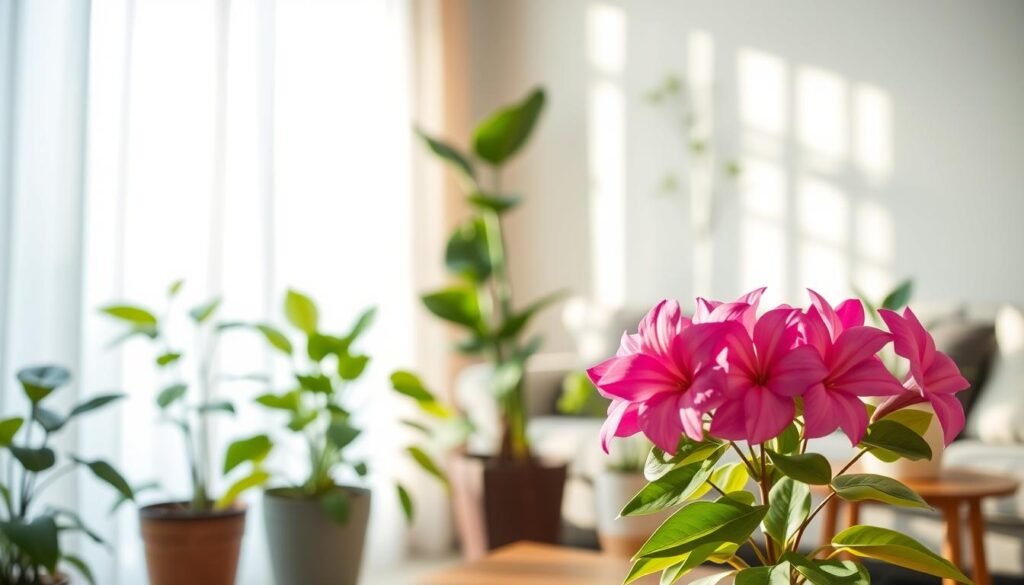
Best window directions for bright, indirect light
In most U.S. homes, south- and west-facing windows give the strongest afternoon sun. Place pots a few feet back for bright, indirect light that feeds blooms without baking leaves.
An east-facing window gives gentler morning sun and suits many plants that prefer less heat from midday sun.
Sheer curtains to soften harsh sun
Sheer curtains let sunlight through but filter intensity. They protect foliage from scorch and stop sudden spikes in water demand after hot afternoons.
Keep plants close enough to benefit from the sun’s energy, but not in direct sunlight that causes fast dry-down and stress.
Discreet grow lights that fit your room
Want to grow indoors without a “plant lab” look? Try a warm grow bulb in a decorative lamp or a slim LED bar hidden on a shelf. These options boost brightness for buds and look like normal home lighting.
Tip: Move pots gradually toward better exposure over several days to avoid shock. Even with improved light, maintain good drainage and proper watering technique—both must work together to prevent repeat problems.
Plant-by-Plant: African Violets Watering and Bloom Support in Low Light
A common frustration: african violets often keep healthy leaves but stop blooming. A short period of brighter, indirect light for a few months usually restarts buds and longer displays.
Bottom-watering to protect the crown
Use bottom-watering to keep water off the crown and reduce crown rot risk. Set the pot in a shallow tray and let it draw up water until the top feels lightly moist.
Remove the pot after 10–20 minutes and never leave it standing in water. This method is especially helpful in cooler rooms.
Placement and simple bloom support
Place violets on desks or shelves under a small grow lamp about eight inches away. That distance gives steady, gentle energy without dominating the room.
- Checklist: steady brightness, gentle bottom-watering, and remove spent blooms.
- Avoid cold drafts and soggy mix — stable conditions keep blooms coming instead of cycling stress and recovery.
Plant-by-Plant: Peace Lily Watering Cues in Indirect Light
A peace lily often tells you what it needs with subtle leaf moves and bloom timing.
How the plant communicates: drooping leaves usually mean the topsoil is dry, but confirm by checking 2 inches below the surface. If that core feels slightly damp, wait; if it’s dry, the pot wants water.
How to balance “slightly moist” soil with zero standing water
Target soil that feels slightly moist throughout the root zone—not soggy at the base. Always empty any saucer or decorative container after watering so there is zero standing water beneath the pot.
Water thoroughly when the mix is dry a couple inches down, let it drain fully, then return the pot to its spot. This repeatable approach prevents the droop-and-drench cycle that harms roots and cuts blooms.
Getting more flowers by giving a few months of brighter, indirect light
Peace lilies tolerate low light but will set more blooms if given a few months near an east window or a south window with a sheer curtain. After that brighter stint, move the plant back to medium or gentler exposure and keep watering steady.
Placement tip: place the pot a short distance from the window so the leaves get energy without baking. Consistency in moisture and brightness yields healthier foliage and more frequent flowers and blooms.
Plant-by-Plant: Orchids Indoors Without Overwatering
Orchids reward simple, rhythmic watering more than fuss and frequent checks. Use a mix made for epiphytic orchids so roots get airflow. Standard potting soil holds moisture and suffocates roots.
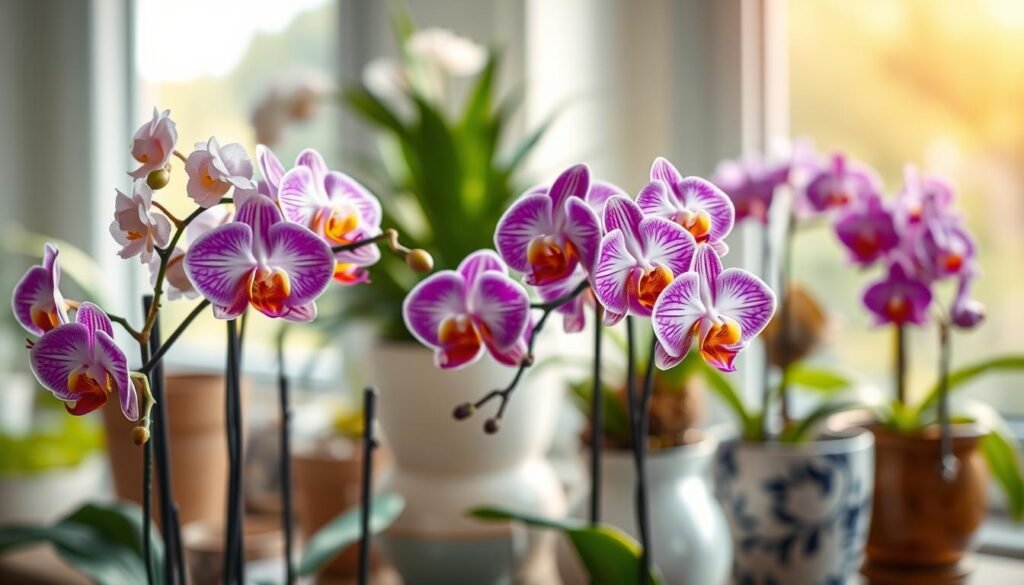
Why the right mix matters
Orchid-specific mix typically contains bark, charcoal, or large perlite. These chunks let water pass and air circulate. A chunky medium dries from the outside in and prevents rot.
When to water
Water when the medium runs dry means the chunks feel dry a couple inches down and roots look silvery or slightly gray. Avoid “just-in-case” watering; orchids often punish extra sips with root decline.
Routine for healthy blooms
Water thoroughly, let the pot drain fully, and never let the pot sit in standing water. Repeat the dry-down, full-water, drain rhythm rather than frequent light misting.
| Sign | What to do | Why it helps blooms |
|---|---|---|
| Chunky mix dries between waterings | Water thoroughly; allow full drainage | Roots stay aerobic and support long bloom periods |
| Roots look green when wet, silvery when dry | Use that color as your cue to water | Prevents overwatering and extends bloom life |
| Pot sits in water | Remove water and improve drainage | Stops root suffocation and encourages months-long displays |
Plant-by-Plant: Christmas Cactus and Holiday Cacti Watering in Winter
Christmas cactus follow a clear seasonal pattern: give them bright, indirect conditions for growth, then a period of shorter days or some darkness to trigger buds and blooming.
How darkness helps set blooms
After a few weeks of steady brightness, reduce nightly exposure to encourage bud initiation. This brief dark period mimics seasonal shortening and helps the plant move energy into blooms.
Let the mix dry to prevent rot
In winter, cooler temperatures plus reduced brightness keep the potting mix wetter for longer. Let the medium dry noticeably between waterings so segmented vines don’t sit in soggy soil.
Spotting and fixing rot
Rot shows as soft segments or collapse near the soil line. If you find mushy sections, remove affected segments with clean cuts and repot into a fresh, well-draining mix. Allow the root zone to dry before the next watering.
- Place plants where temperatures stay steady and away from drafts.
- Keep a regular dark period to support bloom timing.
- Water only when the mix feels dry a few inches down, especially in winter.
Seasonal note: blooms are normal each year when you balance growth-stage brightness with a brief darker phase and careful watering of the vines.
Plant-by-Plant: Anthurium and Kalanchoe When Blooms Stall
Some indoor bloom stalls trace back to a simple mismatch: the plant makes leaves but lacks the energy or conditions to produce showy flowers.
Anthurium in reduced exposures: growth vs muted color
An anthurium tolerates low light but often puts energy into foliage instead of bright bracts. You may see lush leaves and few or washed-out blooms.
What helps: move the pot to brighter indirect exposure for a planned period of a few months to boost bud set and color without shocking the plant.
Kalanchoe as a succulent-like indoor bloomer
Kalanchoe behaves like a succulent. It prefers the soil to dry between waterings and can decline quickly if kept soggy.
Water less often and give higher brightness so the plant can form tight buds. Kalanchoe responds fast to improved conditions and returns many blooms when stress is removed.
Restarting flowers safely with more sun
Increase brightness slowly and avoid direct scorching. A gentle increase in sunlight, combined with adjusted watering, usually restarts flowering in a few months.
| Plant | Typical response | Watering rhythm | Best move to restart blooms |
|---|---|---|---|
| anthurium | More leaves, paler bracts | Keep evenly moist but not soggy | Brighter indirect sun for several months; improve drainage |
| kalanchoe | Stores water; bud set needs brightness | Dry 1–2 inches between waterings | Increase brightness and reduce frequency; full drain after water |
| Both | Stalled blooms often mean mixed issues | Tune watering to species, not schedule | Raise brightness slowly; adjust moisture for bud formation |
Plant-by-Plant: Bromeliads, Lipstick Plant, and Other Color-Forward Options
A splash of bold color can save a dim corner—bromeliads and lipstick vines do the heavy lifting.
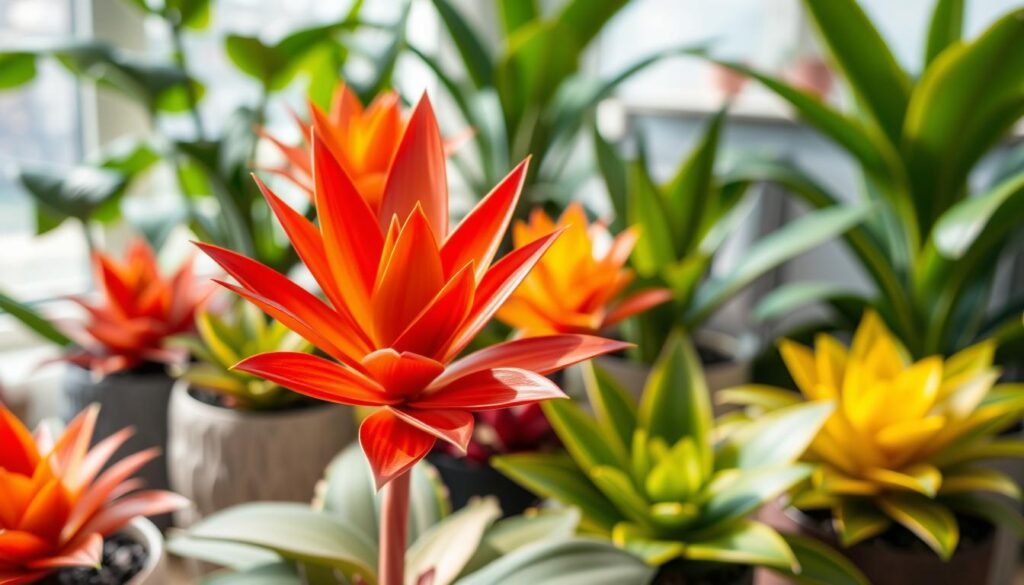
Bromeliads are prized because their bracts hold vivid colors for weeks. These colorful bracts often outlast the tiny true flowers, so the display feels long-lived even when actual flowers are brief.
Bracts versus true flowers and how long color can last
Bracts are modified leaves that surround a bloom. They can remain bright for about two to three months, giving sustained color while the true flowers fade quickly.
Bloom triggering trick and expected timing
To nudge a bromeliad into blooming: seal the plant in a clear bag with an apple for three days. Remove the bag and watch—blooming may begin in as few as six weeks or up to 3 months, depending on species and season.
Lifespan and pups
Many bromeliads bloom only once; the mother will slow after blooming but produce pups you can separate and grow on. This means the display continues through new plants rather than repeat blooms on the original.
Lipstick vine and placement
The lipstick plant sets buds best with brighter indirect light. Once buds form and flowers open, you can move the pot to a slightly dimmer spot for display without losing the blooms.
Choose-your-win: if your room favors less brightness, pick plants where bracts or colored foliage carry the show. And remember—good drainage and zero standing water keep those colors vibrant even in modest conditions.
Conclusion
A quick habit—check 2–3 inches of soil, empty any saucer water, and match what you see to the root zone—fixes most watering puzzles fast.
First, test the core moisture, then look under the pot for standing water and feel stems for firmness. That three-step check tells you if the issue is too much water or not enough.
Remember: most indoor flowering plants need some indirect light and reliable drainage. If pots stay wet in a shaded spot, move the plant a bit closer to a window or add a discreet grow bulb for a few months.
Next steps: verify drainage holes, adjust watering to the fingertip test, tidy spent blooms, and pick a consistent spot based on daily sun hours.
From a writer’s desk: be patient and steady—watching and repeating one simple habit will reward you with healthier foliage and better flowers through the year.