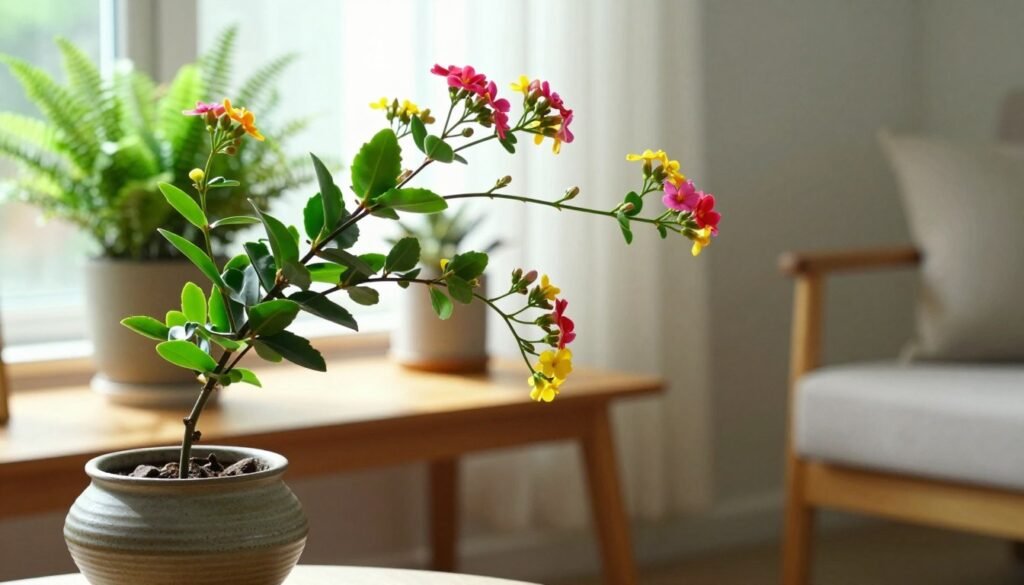
leggy flowering houseplant indoors

“Leggy” Flowering Plants Indoors: Why Stems Stretch and How to Reverse It

Surprising fact: about 70% of common houseplants show stretched, thin stems when they don’t get enough light.

That stretched look — long stems with sparse leaves — is a clear signal a plant is reaching for brightness. It’s especially frustrating when blooms are fewer or weaker because energy shifts from flowers to lengthening stems.

This guide explains what that problem looks like and why it happens. We’ll focus on light and placement, but also cover watering and fertilizer choices that can make stretched growth worse.

Quick promise: legginess won’t always fix itself, but you can improve it. Light fuels photosynthesis, and low light forces a plant to grow taller and thinner while dropping lower leaves to save energy.

It’s not just “more sun” — it’s the right kind of brightness and a steady routine. You’ll find fast fixes like grow lights for winter and longer-term steps such as pruning, pinching, and propagation to rebuild a fuller shape.

Key Takeaways

  • Stretched stems and sparse leaves are usually a sign of too little light.
  • Placement by the right window and correct brightness beat random sun exposure.
  • Care choices—water and fertilizer—can worsen or improve stretched growth.
  • Short-term fixes: supplemental lights; long-term: pruning and rebuilding shape.
  • Advice is tailored for typical U.S. homes and seasonal light changes.

What “Leggy” Really Means for Indoor Plants and Flowers

Quick check: a visual test helps you confirm if a plant is stretching instead of filling out.

Look for these signs:

  • Long spaces between leaves (long internodes).
  • Thin or floppy stems with foliage mostly at the tips.
  • Fewer or smaller blooms, or buds that fail to open well.

In plain terms, etiolation is what happens when a plant chases brightness. In low light, stems extend toward the best source while the rest of the plant stays bare.

Why this happens: the plant diverts energy into upward growth instead of building thicker stems and dense leaves. Lower leaves that get too little light drop off because they cost more energy than they make.

This is a diagnostic signal about care and conditions, not a mysterious disease. Different species become leggy at different speeds, but the same basic rule applies — they are seeking more light.
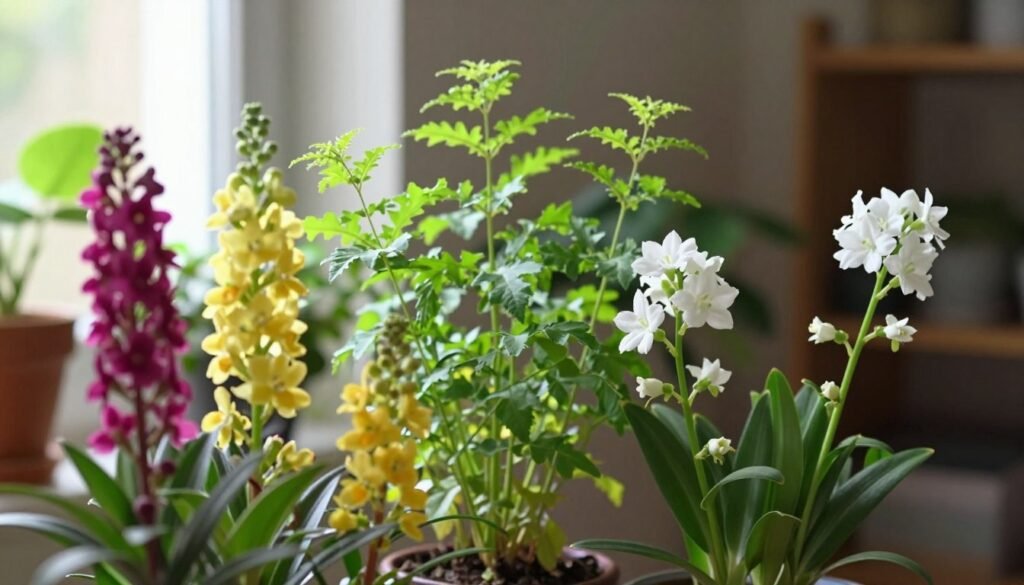
A close-up view of a variety of “leggy” flowering indoor plants stretching toward a bright light source, illustrating their elongated stems and sparse foliage. In the foreground, vibrant flowers bloom amidst the tall, spindly stems, showcasing colors like deep magenta, soft yellow, and bright white. The middle ground features a clear view of the plants' leaves, sparse at the bottom yet lush at the tops, highlighting how they reach toward the light. The background is softly blurred, suggesting a cozy indoor environment with warm, natural light filtering through a window. The atmosphere is serene and vibrant, capturing the essence of indoor gardening while emphasizing the struggle of plants seeking adequate light. The focus is sharp on the plants, with a slight depth of field to enhance the mood.

Sign What to check Why it matters
Long internodes Measure space between leaves Shows the plant is stretching for light
Thin stems Check stem firmness and thickness Indicates weak structural growth
Poor blooms Note bloom size and bud opening Energy diverted from flowers to height
Leaf drop Look for loss of lower leaves Plant conserves energy by shedding low-light leaves

Why a leggy flowering houseplant indoors happens most often: light and placement problems

Light and placement are the main reasons a plant stretches instead of filling out. Low energy from poor light makes the stem reach toward the nearest bright source rather than build strong, bloom-supporting structure.

Low light triggers stretching: how sunlight drives energy for growth and flowering

Sunlight fuels photosynthesis. With too little, a plant diverts energy into upward growth and drops lower leaves to save resources. This change reduces blooms and weakens stems.
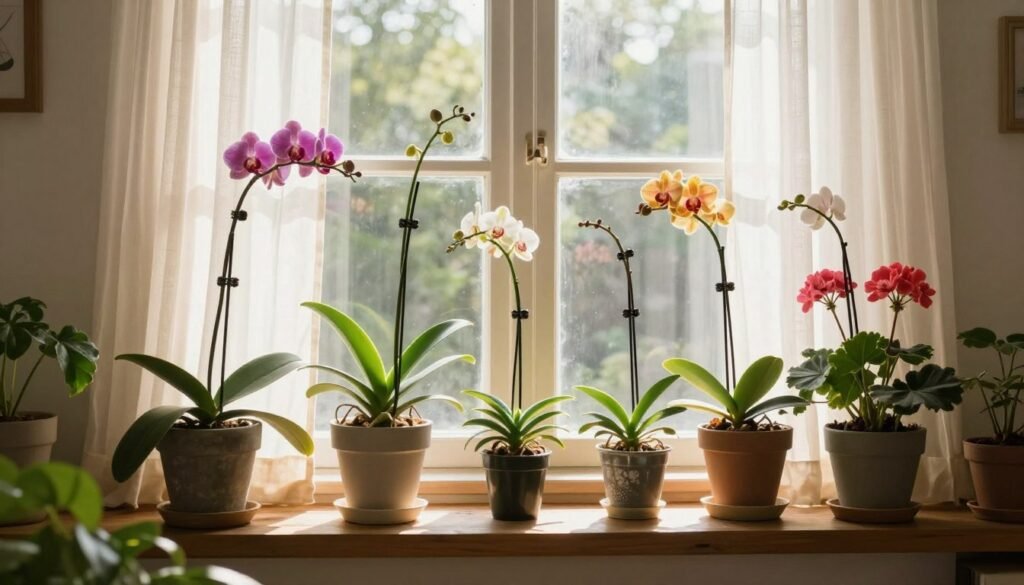
A cozy indoor scene featuring a variety of leggy flowering houseplants positioned in front of a large, sunlit window. In the foreground, several potted plants with elongated stems reach towards the light, displaying vibrant flowers like orchids and geraniums. In the middle, a wooden windowsill adorned with small decorative pots complements the greenery, while sunlight pours in, creating a warm and inviting atmosphere. The background reveals soft, sheer curtains gently swaying in the breeze, allowing sunlight to filter through and illuminate the leaves, casting delicate shadows. The lighting is bright yet soft, reminiscent of a serene morning. The overall mood is tranquil and nurturing, highlighting the importance of proper light and placement for healthy indoor gardening.

Window direction in US homes

North windows give the least light. East brings gentle morning sun. West offers strong afternoon sun, and south or southwest gives the brightest exposure.

Understanding light levels and direct sun risk

Low = bright enough to read a newspaper. Medium = filtered, indirect light. High bright light = near a south/southwest window. Too much direct sunlight can scorch leaves if the plant is moved suddenly; acclimate it slowly over several days.

Fast fixes and rotation

Add an LED or fluorescent grow light or a “daylight” bulb in winter months to boost usable wavelengths. Rotate houseplants weekly so new growth stays even and avoid one-sided stretching.

How to reverse leggy growth and rebuild a fuller, bushier plant

You can rebuild a fuller, bushier plant by combining better light with targeted pruning and propagation. First correct placement so the main light source is appropriate, then follow a clear reset plan.
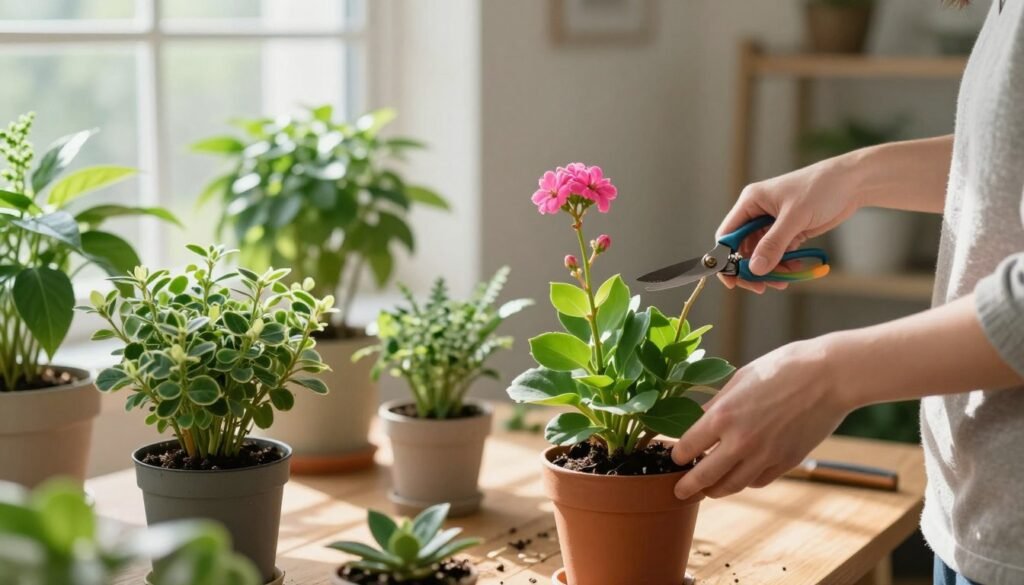
A serene indoor setting showcasing the process of pruning leggy flowering plants to encourage fuller growth. In the foreground, a person in modest casual clothing is carefully trimming the long stems of a vibrant green potted plant with bright pink flowers, using sharp pruning shears. The middle ground features a wooden table with an array of healthy plants, some fully bushy and others in various stages of growth. The background illustrates a softly lit room with natural light streaming in through a large window, casting gentle shadows and highlighting the lush greenery. The overall mood is calm and nurturing, emphasizing the beauty of plant care and the joy of gardening indoors.

Prune and pinch to encourage branching

Use sanitized, sharp shears and cut long stems back about one-third. Make each cut just above a node to trigger new shoots.

Do not remove more than one-third of total foliage at once. Pinch soft tips to promote a bushier top and better blooms over time.

Propagate to fill bald spots

Root cuttings from healthy stems and repot them into the same pot to thicken the top. For trailing varieties, lay leafless vine sections on damp soil so nodes contact the mix and form roots.

Adjust watering and fertilizer carefully

After moving a plant to brighter light, the soil will dry faster. Check moisture before you water and base watering on dryness, not a calendar.

Delay feeding until a few weeks after pruning and light correction. Use a balanced fertilizer as directed; excess nutrients can fuel weak, fast growth.

Mind humidity and recovery timing

Dry indoor conditions weaken stems for some species. A small humidifier or pebble tray can help during heated winter months.

Expect visible improvement in a few weeks: new leaves and shoots often appear once light, soil, and watering are steady.

Conclusion

Begin recovery by treating poor brightness as the main cause and then tweak care. If a plant looks stretched, start with light — low light is the usual culprit. A single change in placement often makes the biggest difference.

Match the plant to the right window in your home, and introduce sun or supplemental sunlight slowly to avoid stress. Rotate regularly so new growth stays even and the top fills out instead of leaning toward one source.

Prune and pinch to redirect energy into branching; cut about one-third back just above nodes. Then adjust soil moisture, watering, and fertilizer only after the plant settles. Small, steady habits prevent recurrence.

With steady light, sensible pruning, and patient follow-through, a leggy houseplant can look full again in a few weeks.

FAQ

What does it mean when a flowering plant becomes stretched with long stems and sparse leaves?

It means the plant is reaching for more light. When light is limited, stems lengthen and internodes widen so leaves can access brighter areas. You’ll see thin stems, fewer leaves near the base, and blooms that may be small or drop. This response conserves energy but makes the plant floppy and weak.

How does window direction in U.S. homes affect light for my plants?

South-facing windows give the most direct sun, great for sun-loving species. West windows offer strong afternoon light. East windows provide gentle morning sun, and north windows deliver the least light. Match plant needs to the exposure: bright light for succulents and many bloomers, medium for pothos and philodendron, and low for shade-tolerant varieties.

What indoor light levels should I aim for: low, medium, or bright?

Low light means few hours of indirect sun and dim interiors; medium means bright indirect light several hours a day; bright light delivers intense indirect or some direct sun. Measure by how well you can read a book without a lamp: if you can read comfortably, it’s at least medium light.

Can too much direct sunlight hurt my plant?

Yes. Strong direct sun can scorch leaves, causing brown patches or faded color. Acclimate plants gradually to more sun by moving them a little closer each week, or use sheer curtains to diffuse harsh rays until the foliage toughens up.

What’s the fastest way to fix plants stretching from low light, especially in winter?

Add a full-spectrum grow light or daylight-rated bulbs and increase daily light hours. Position lights a few inches above the canopy and run them 10–14 hours per day during short winter days. Also rotate plants weekly so new growth develops evenly.

How important is rotating my plants?

Very. Rotation ensures each side gets light, preventing one-sided growth and long, weak stems. Turn pots a quarter or half turn every week for balanced foliage and stronger new shoots.

How do I prune properly to encourage bushier growth?

Cut back about one-third of the long stems, making each cut just above a leaf node. This triggers dormant buds to push new lateral shoots. Use sharp, clean pruners and remove any dead or weak growth to focus energy on healthy branches.

Can I use cuttings to fill in bare spots?

Absolutely. Take healthy stem cuttings with a node, root them in water or a sterile potting mix, and transplant once roots form. This is an efficient way to create new growth and make a fuller top without waiting for slow basal shoots.

Should I change watering after moving a plant to brighter light?

Yes. Brighter light increases evaporation and plant water use. Check soil moisture more often and let the top inch dry between waterings for most tropicals. Avoid both drought stress and waterlogged soil, which can weaken stems and hinder recovery.

How do I use fertilizer to help recovery without causing more stretching?

Use a balanced, dilute fertilizer during the growing season and follow label directions. Overfertilizing spurs soft, rapid growth that can make stems lanky. Feed moderately and combine with adequate light to promote sturdy development.

Can dry indoor air make stems weaker and more stretched?

Low humidity can stress plants, slowing leaf growth and promoting thin stems. Raise humidity with a tray of water and pebbles, a humidifier, or by grouping plants. Stable indoor temperatures and consistent moisture support firmer, healthier stems.

How soon will a plant look fuller after I correct light and prune?

You should see new side shoots within a few weeks to a couple of months, depending on species, season, and care. Fast-growing species like pothos respond quickly; slower bloomers may take longer. Consistent light, proper water, and moderate feeding speed recovery.

Comments

No comments yet. Why don’t you start the discussion?

Leave a Reply

Your email address will not be published. Required fields are marked *