
Surprising fact: Nearly 70% of first-time plant owners say their confidence rises faster when they start with hardy houseplants like snake plant, ZZ plant, golden pothos, or corn plant.
This guide defines what “indoor flower care for beginners” means in real life: keeping a blooming plant healthy enough to set flowers again while building strong leaves and roots in typical U.S. home light and humidity.
Success here is not about a magic touch. It is about matching a plant to your space and repeating a few simple habits around light and water. Most problems come from misreading light, watering too often, or dry winter air—not bad luck.
What you’ll learn: the core pillars—light, water, humidity, airflow and temperature, soil and drainage, pots, fertilizer, and a weekly routine—so you know the roadmap before you start.
Start with resilient starter plants to build confidence. A leaf or two dropping during adjustment is normal. Blooms follow good fundamentals: proper light, seasonal attention, and modest feeding—not constant fussing.
Key Takeaways
- Pick sturdy plants that tolerate a little neglect while you learn.
- Match light and water habits to your room, not a rulebook.
- Most issues are solvable: check light, moisture, and winter dryness first.
- Flowers are a bonus from steady basics, not nonstop adjustments.
- Follow simple weekly routines and quick troubleshooting signs.
How to Choose the Right Indoor Flowering Plant for Your Home
Choosing the right plant starts with matching a green partner to your daily routine and space.
Match plants to your life: Ask how often you’re home, whether you travel, and if you prefer weekly check-ins or a “set it and forget it” approach. That simple habit check will narrow options fast.
Think about the room size and how close a pot can sit to windows. Measure where light actually falls and note if furniture blocks daylight. If you can’t place a pot near bright light, pick a species that tolerates lower light.
Starter-friendly picks
- Snake plant — nearly indestructible and great for busy homes.
- ZZ plant — stores water and forgives missed waterings.
- Pothos — fast-growing vining plant that thrives with minimal fuss.
- Corn plant (Dracaena) — upright, forgiving, and tidy in many rooms.
Low-light tolerant vs. low-light loving
“Tolerant” plants still need ambient light. They won’t thrive in a dark corner and may stop blooming. If you want regular flowers, choose a spot with real light or pick a species that naturally blooms in lower light and ask staff at a local store for advice.
Quick filters: check pet safety, growth habit (vining vs upright), and how often you want blooms. If the light or care doesn’t match your space, choose a different plant rather than forcing one to struggle.
Know Your Light: The Key to Blooms, Growth, and Healthy Leaves
Light defines whether a plant will simply survive or actually show blooms and steady growth.
Bright light in a typical U.S. home means a spot near a window where daylight fills the room most of the day. Direct sun is when beams hit the pot and warm the leaves. Flowering usually needs more light than basic survival, so aim for bright light when you want repeat blooms.
Best window directions and what they mean
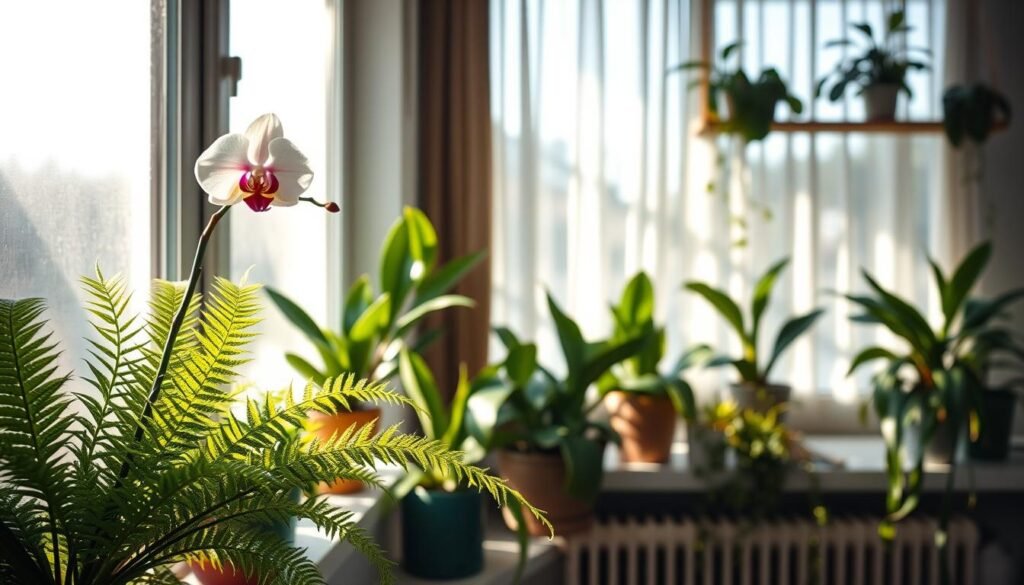
South-facing windows give the most strong daylight and the best bloom potential. East windows offer gentle morning sun. West windows give late-day heat that boosts growth. North windows provide low light and often only ambient bright light on clear days.
When artificial lights can replace a window
LED, fluorescent, or good-quality grow lamps can support many houseplants when natural windows are missing. Keep lights close and on a steady schedule (10–14 hours) to mimic daylight. Species like Aglaonema, Dracaenas, Philodendrons, African violets, and Sansevierias tolerate artificial setups well.
Signs your plant isn’t getting enough light
Watch for lanky stems, pale new leaf, leaf drop, or plants leaning hard toward the window. If growth slows and blooms fade or don’t return, check light before changing other factors.
Placement rule: if you can read a book comfortably there most of the day, it is usually bright enough. Make gentle, single moves rather than frequent relocations—plants prefer stability and will reward correct placement with healthier leaves and more blooms.
Watering Without Guesswork: How Much Water and When
Skip the guessing game: let the pot tell you when it needs water. A simple habit—checking the top soil—beats fixed rules and saves plants from too much or too little water.
The finger test
Step-by-step: push a clean finger about 2 cm into the mix. If it feels dry, water. If it feels cool and damp, wait a day or two. This quick check sets a reliable schedule that matches real conditions.
How much to give
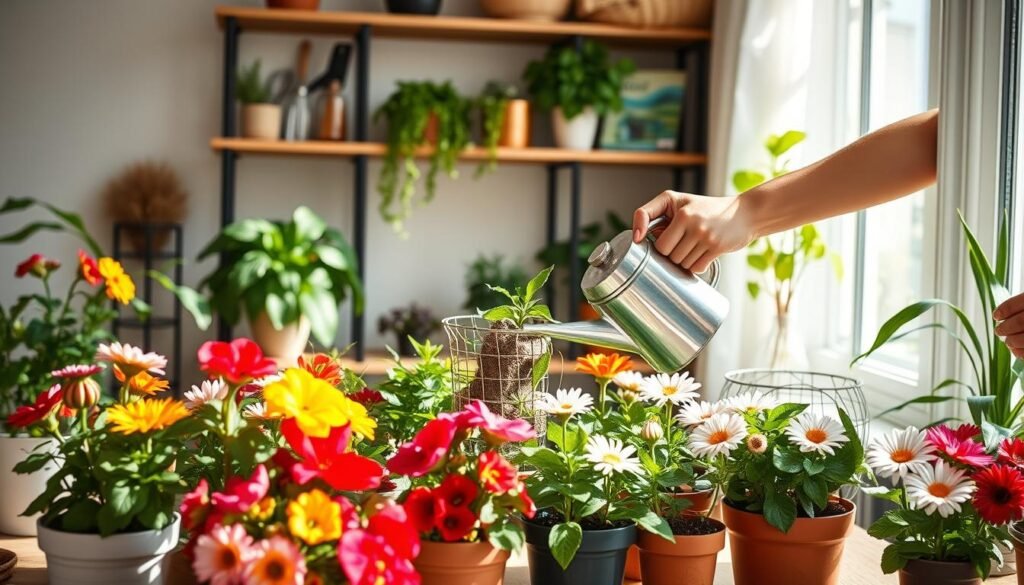
Water deeply until water drains from the pot. Small sips rarely reach deeper roots. Let excess drain and empty saucers so the plant does not sit in standing water.
Leaves tell the story
Overwatering usually shows yellow, soft, droopy leaves. Underwatering brings wrinkled, crisp edges and limp stems with dry soil beneath.
Seasonal timing and routines
Plants need more water in summer and less in winter. Morning watering is practical: it gives soil and leaves hours to dry and fits most daily routines. Try a quick weekly check with a midweek glance.
Busy weeks and self-watering
Use spikes, “plant nannies,” or self-watering pots for short trips. They help on brief absences but avoid systems that keep soil wet for months.
“Water smart: feel the soil, water deeply, and let seasons guide the amount.”
For a deeper look at seasonal adjustments, see adjusting watering schedule.
Humidity and Misting: Keeping Indoor Flowers Comfortable Year-Round
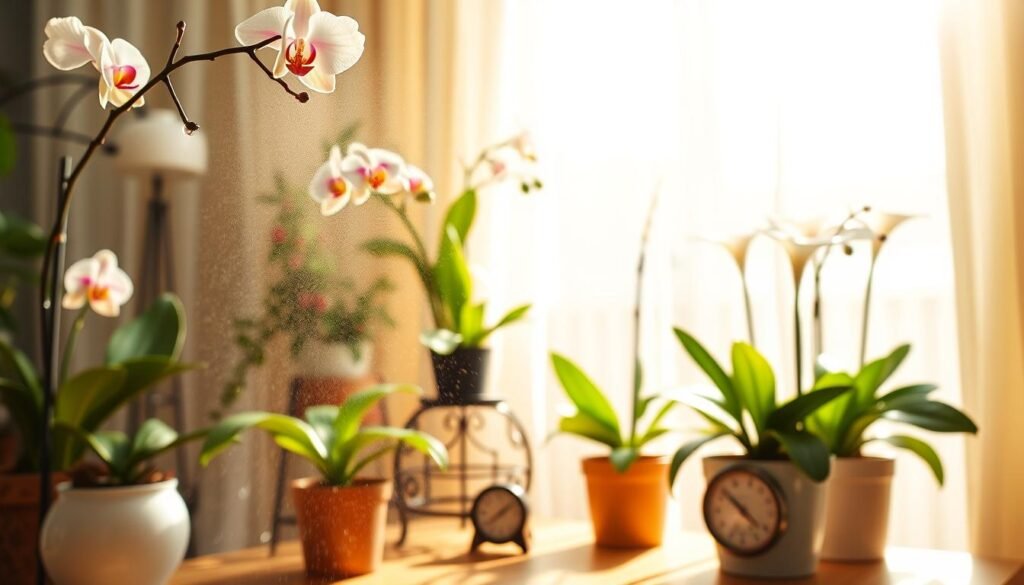
When home heat kicks on, humidity can plunge and leaves start to suffer. In winter months, heated air often drops to 20–30% relative humidity. That dries leaves faster and can show up as brown tips or dull foliage.
A realistic target: aim for mid-range humidity, about 30–50%. This balance helps most houseplants stay healthy without inviting mold or dust mites.
Smart, safe ways to raise humidity
- Use a cool-mist humidifier on a timer to keep levels steady.
- Cluster pots together so they create a small humid microclimate.
- Keep plants away from heating vents that blast dry air.
When misting helps — and when it can hurt
Misting gives a short-lived surface boost and can soothe some tropical species. But if leaves stay wet in a low-airflow corner, water can promote rot.
“Stable moisture levels let plants spend energy on buds instead of survival.”
| Sign | Likely cause | Quick fix |
|---|---|---|
| Crispy brown tips | Low humidity | Humidifier or group plants |
| Wet, spotting leaves | Poor airflow after misting | Stop misting; improve ventilation |
| Slow growth in winter | Stress from dry heat | Raise humidity, avoid heat vents |
Airflow and Temperature: The Overlooked Indoor Care Factors
Gentle airflow and steady temperatures are two quiet helpers that keep plants healthy year-round. Plants exchange gases and release water vapor; a soft breeze helps them “breathe” and wicks moisture off leaves. That lowers the chance of rot after misting and reduces stagnant pockets of humidity.
Where not to place a pot: avoid right next to blasting HVAC vents, on top of radiators, or pressed against icy window glass in winter. Cold drafts shock many species and can cause leaf drop or slowed growth.
In a typical US house, keep a small buffer from drafty windows at night and steer clear of spots with wild daily swings. Many plants like a slight nighttime drop in temperature; that cool phase can improve bud set on some bloomers like Schlumbergera.
“Air and stable temps often explain why light and water seem right but the plant still struggles.”
Quick airflow checklist:
- If you mist, ensure circulation so leaves dry within a few hours.
- If your home is airtight, open a window briefly or use a fan on low.
- Watch where you place the pot and avoid constant drafts on sensitive species.
Soil Basics for Indoor Flower Care for Beginners
Good potting mix does more than hold a plant upright; it creates a living zone where roots breathe, drink, and anchor.
What the soil actually does: it supplies moisture and nutrients, lets air reach root tips, and gives the plant stability. Healthy roots start in a mix that balances those three jobs.
Match the mix to the plant type
Succulent mixes are light and fast-draining. Tropical blends hold more water for leafy bloomers. Orchid-style media is chunky and soilless, ideal for epiphytes that dislike soggy conditions.
Spotting soil failure
If water pools on top, drains slowly, or the potting medium feels heavy and compacted, roots may be starved of oxygen even when you water correctly. That leads to weak growth and fewer blooms.
Simple fixes and amendments
- Perlite adds aeration and improves drainage without changing nutrients.
- Vermiculite increases moisture retention and lightens dense mixes.
- Buy a quality bagged mix from a garden center, then tweak it rather than guessing.
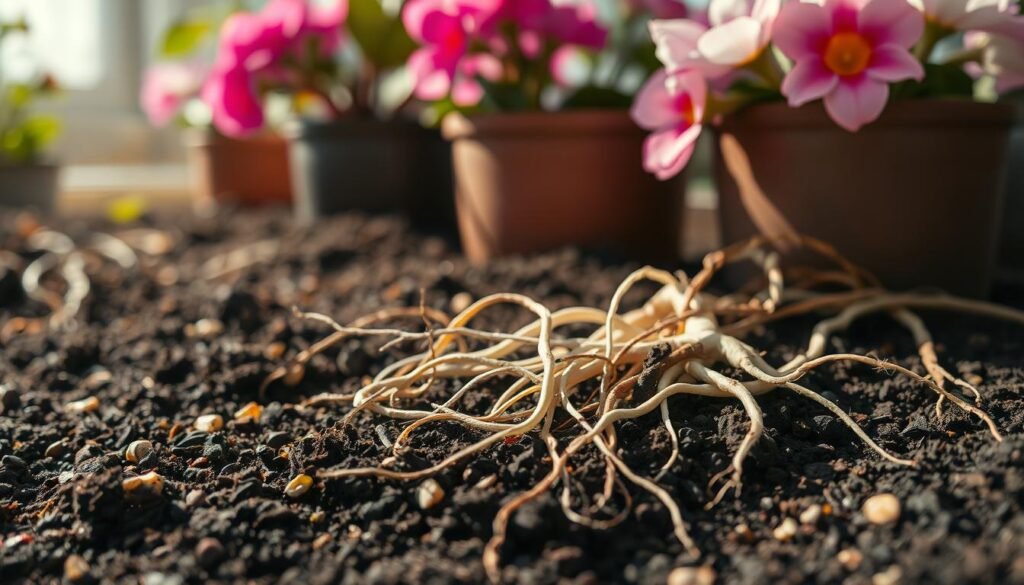
“Healthy roots in airy soil mean stronger growth and more repeat flowering.”
| Soil type | Best plant matches | Key trait |
|---|---|---|
| Succulent mix | Cactus, aloe, drought-tolerant plants | Fast drainage, low moisture retention |
| Tropical mix | Philodendron, calathea, many bloomers | Moderate moisture, more organic matter |
| Orchid-style media | Orchids, bromeliads, epiphytes | Chunky, airy, very quick drainage |
Pots, Drainage, and Root Health
A pot does more than look nice — it controls moisture, temperature, and root space. Choosing the right pots and using proper drainage prevents many common issues.
Why drainage holes and saucers matter
Drainage holes stop soil from staying soggy and reduce root rot risk. A pot without holes turns every watering into a flood.
Many people use a holey nursery pot inside a decorative outer pot or a saucer. Empty the saucer after watering so the roots do not sit in standing water.
Terracotta vs. plastic: moisture and temperature
Terracotta breathes, wicks moisture, and cools slightly in sun. It dries faster — great if you tend to overwater.
Plastic holds moisture longer and keeps soil warmer. Pick plastic when a plant prefers steady dampness.
Pot size basics
Too small and roots become rootbound, drying soil quickly and stressing the plant. Too large and the mix stays wet, pushing energy into roots not top growth.
A good repot rule: size up modestly — about 2 cm (roughly 1 inch) wider in diameter unless the plant is extremely rootbound.
Salt buildup and flushing
White chalky crust on terracotta usually signals salt or mineral buildup from hard water or fertilizer. Flush the soil with distilled water a few times to remove excess salts.
“The right pot setup makes every other step — watering, feeding, and disease prevention — much easier.”
| Issue | Likely cause | Best pot solution | Quick action |
|---|---|---|---|
| Constant soggy soil | No drainage or oversized pot | Use nursery pot with holes inside a decorative pot; ensure saucer drainage | Repot to a better-draining mix and empty saucer |
| Soil dries too fast | Small pot or terracotta in hot sun | Move to slightly larger pot or use plastic to retain moisture | Increase watering frequency; monitor roots |
| White crust on pot | Salt/mineral buildup | Terracotta shows it clearly; flush soil with distilled water | Water-drain cycles until salts clear |
| Temperature swings stress roots | Thin-walled or dark pots in direct sun | Terracotta buffers temp; avoid dark pots in hot windows | Relocate or use lighter pots to reduce heat |
Fertilizer for Flowers: Feeding Without Overdoing It
Feeding potted plants well means matching nutrients to seasonal needs, not pouring every bottle whenever growth slows.
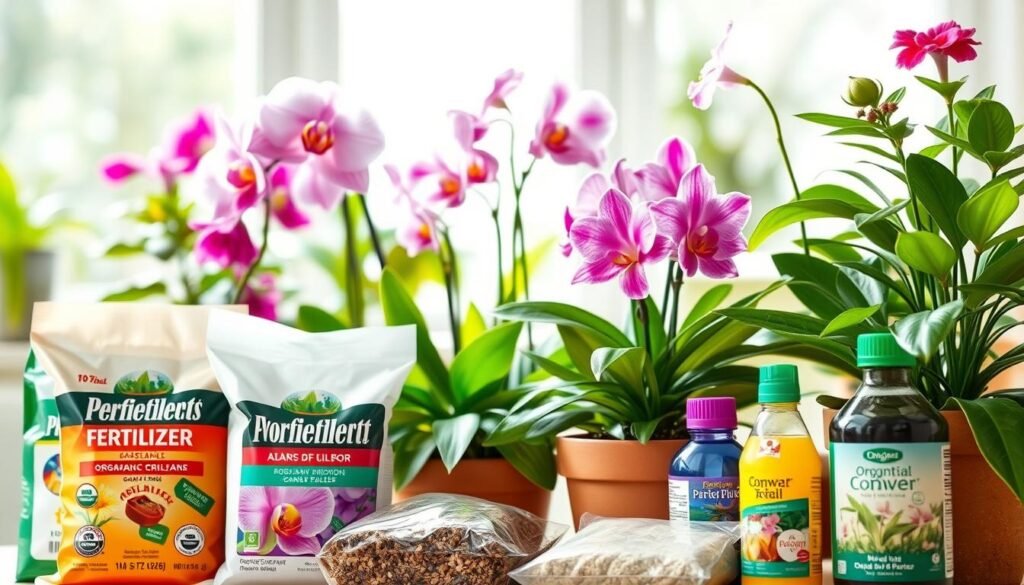
What fertilizer is: a supplemental source of nutrients that container soil slowly loses. It is not a fix for low light or too-frequent watering. Don’t feed a stressed plant; correct light, water, and drainage first.
When to feed and when to pause
Feed lightly during active growth months—typically spring through summer. Many houseplants need little to no food in winter when growth slows.
Understanding NPK in plain terms
N (nitrogen) supports leafy growth. P (phosphorus) helps energy and flowering. K (potassium) keeps the plant functioning well. Look for a balanced ratio suited to your species rather than high numbers.
Dilution, frequency, and caution
Use a weaker dose than the label suggests until you know a plant’s needs. A safe rule: dilute to half strength and apply about once a month during the growing season.
- Signs of overdoing it: stalled growth after feeding, crisp leaf edges, or white salt crust on the soil.
- If that happens, pause feeding and flush the pot with water to remove salts.
“Less frequent, gentler feeding keeps roots healthy and supports steady blooms.”
Quick checklist: make sure light and water are correct, choose the right fertilizer, start with a low amount, and monitor response over a few months.
Weekly Plant Care Routine: Pruning, Turning, and Simple Propagation
A 30–60 minute weekly habit will keep most houseplants healthy and prevent small problems from growing.
Start with a quick scan: remove yellowing leaves and check undersides for pests. Wipe dusty leaves so each leaf can photosynthesize well and show its best color.
Pruning and pinching to encourage fullness
Pinch back lanky stems to prompt branching and fuller growth. For trailing plants, trim leggy vines to promote new shoots nearer the pot.
Why prune: it prevents sparse growth and helps a plant direct energy into blooms and healthy leaves instead of long, weak stems.
Turn pots for even light
Rotate each pot a quarter turn every week so plants don’t lean toward one light source. Even exposure keeps stems straighter and leaf coverage balanced.
Simple propagation to build confidence
Try pothos cuttings in water or a small potting mix—roots form fast and success is likely. Propagating is a low-risk way to expand your collection and practice routines.
“A short, steady routine beats occasional overdoing — plants respond quickly to calm consistency.”
- Set a realistic “plant hour” once weekly.
- Prune, wipe leaves, rotate, and take any easy cuttings.
- If you miss a week, restart and watch recovery—the process is forgiving.
Conclusion
, Indoor flower care for beginners comes down to one simple idea: match a plant to your room and build a tiny, steady routine. Choose light near windows or good artificial lamps, then place a plant where it gets consistent hours each day.
Water when the top soil feels dry, use a well-draining mix, and keep pots with drainage so roots stay healthy. Check leaves weekly, rotate the pot, and empty saucers after watering to avoid soggy problems.
Adjust schedules as seasons change—summer needs more water, winter less humidity. Pick peace over perfection; a dropped leaf or slow month is normal and fixable.
Next step: pick one easy plant, set it in the best spot, follow the finger test for a month, and enjoy steady growth.