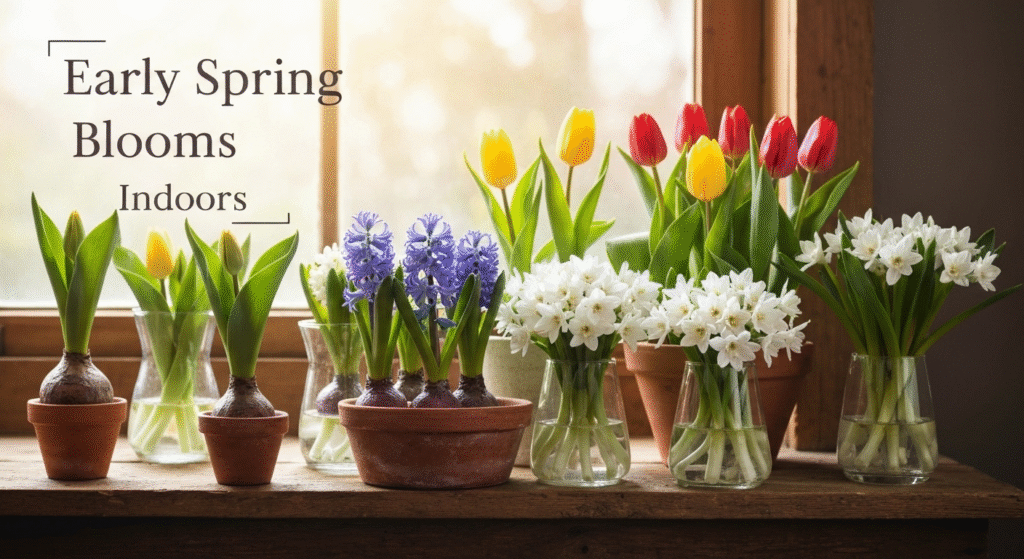

Seeing the first spring flowers emerge is a welcome sight after a long winter. But what if you could enjoy those bright, fragrant blooms weeks or even months earlier, right inside your home? The process is called “forcing,” and it’s a simple technique that tricks spring-flowering bulbs like tulips, hyacinths, and crocuses into blooming ahead of schedule. It’s a fantastic way to bring a burst of spring color indoors, especially for those living in apartments or homes without an outdoor garden.
My name is Kamil Khan, and for years, I’ve been fascinated with the life cycles of indoor flowers. My journey started with a simple desire to keep color in my home during the grayest months, which led me down the path of understanding how to manipulate bloom times. This exploration into forcing bulbs has been incredibly rewarding, teaching me patience and a deeper appreciation for the hidden processes within each bulb. I’ve learned through trial and error what works best, and I enjoy sharing these clear, research-backed explanations to help others succeed.
Understanding Bulb Forcing: What It Really Means
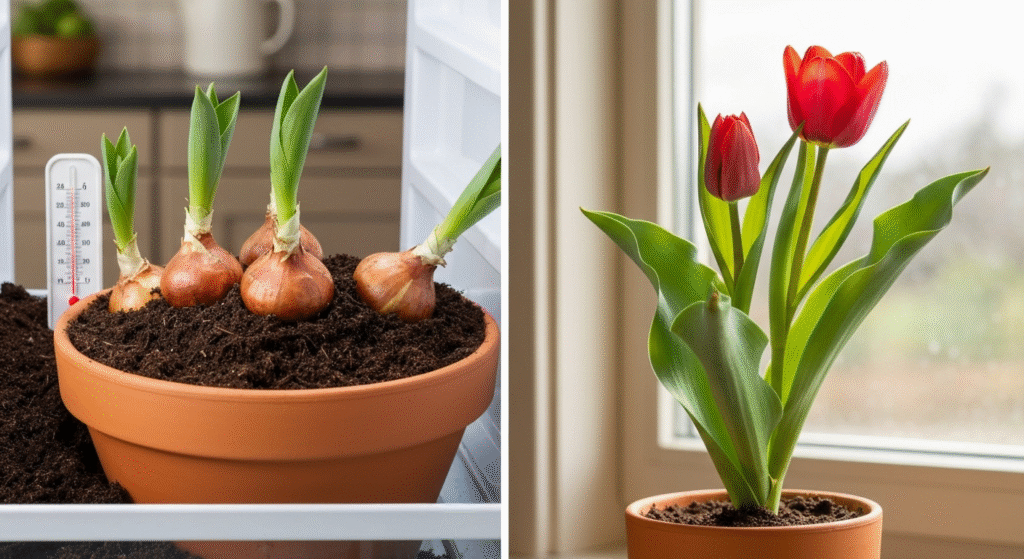
Before we get into the “how-to,” let’s break down what forcing actually is. In nature, spring-flowering bulbs need a long period of cold temperatures to develop their root systems and prepare for blooming. This cold, dormant period, known as vernalization, signals to the bulb that winter is happening. When the weather warms up, the bulb knows it’s time to grow and flower. Forcing is simply the process of recreating these conditions indoors on your own schedule.
The key is the chilling period. We provide a controlled “winter” by storing the bulbs in a cold, dark place for a specific amount of time. This convinces the bulb it has gone through winter. Once the chilling requirement is met, we bring the bulbs into a warmer, brighter location, simulating the arrival of spring and triggering them to sprout and bloom. Not all bulbs have the same needs, which is a crucial detail I learned early on. Some, like paperwhites, require no chilling at all, while others need several months of cold.
Chilling Requirements for Common Bulbs
Understanding the specific needs of each bulb is the first step to success. Forcing the wrong bulb without a proper chill will lead to disappointing results, usually just a few leaves and no flowers.
| Bulb Type | Required Chilling Period (Weeks) | Ideal Chilling Temperature | Notes |
| Tulips | 12 – 16 weeks | 35-48°F (2-9°C) | Choose shorter varieties for better results indoors. |
| Hyacinths | 10 – 14 weeks | 35-48°F (2-9°C) | Can be forced in soil or special forcing glasses with water. |
| Crocuses | 8 – 12 weeks | 35-48°F (2-9°C) | Plant in clusters for a fuller, more natural look. |
| Paperwhites | 0 weeks | N/A | The easiest bulb to force; does not require a cold period. |
| Daffodils | 12 – 15 weeks | 35-48°F (2-9°C) | Miniature varieties are often more successful indoors. |
Gathering Your Supplies: The Foundation for Success
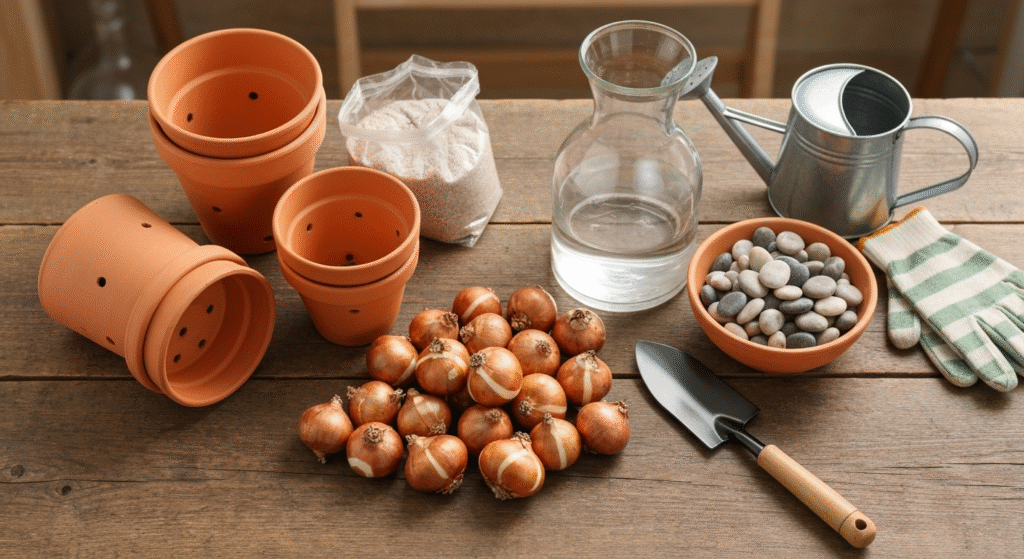
You don’t need a lot of complicated equipment to force bulbs, but having the right materials from the start makes the process much smoother. My first few attempts were a bit haphazard, and I quickly realized that preparation is just as important as the chilling itself.
Choosing the Right Bulbs
Your success starts with high-quality bulbs. Look for bulbs that are large, firm, and free of any soft spots, mold, or cuts. A bigger bulb generally contains more stored energy, which translates into a bigger, healthier bloom. Don’t use bulbs saved from your garden, as they may not have the energy reserves needed for forcing. It’s best to purchase fresh bulbs from a nursery or online supplier in the fall.
Selecting the Perfect Containers
You can use almost any container, but drainage is the most important factor. If you’re using a pot, make sure it has drainage holes at the bottom. Without proper drainage, the bulbs will sit in water and rot.
- For soil planting: Terracotta or plastic pots that are at least 4-6 inches deep work well. The depth gives the roots enough room to grow.
- For water forcing: Special hourglass-shaped forcing glasses are ideal for single hyacinth bulbs. For paperwhites, a shallow bowl or vase filled with pebbles or decorative stones is perfect.
The Ideal Potting Medium
Forcing bulbs don’t need nutrient-rich soil because all the food they need is already stored inside the bulb. What they do need is a medium that provides support and retains a bit of moisture without becoming waterlogged. A standard, sterile potting mix is perfectly fine. I often mix in a bit of sand or perlite to improve drainage, which is a simple step that helps prevent rot, one of the most common issues for beginners.
The Step-by-Step Guide to Forcing Different Bulbs
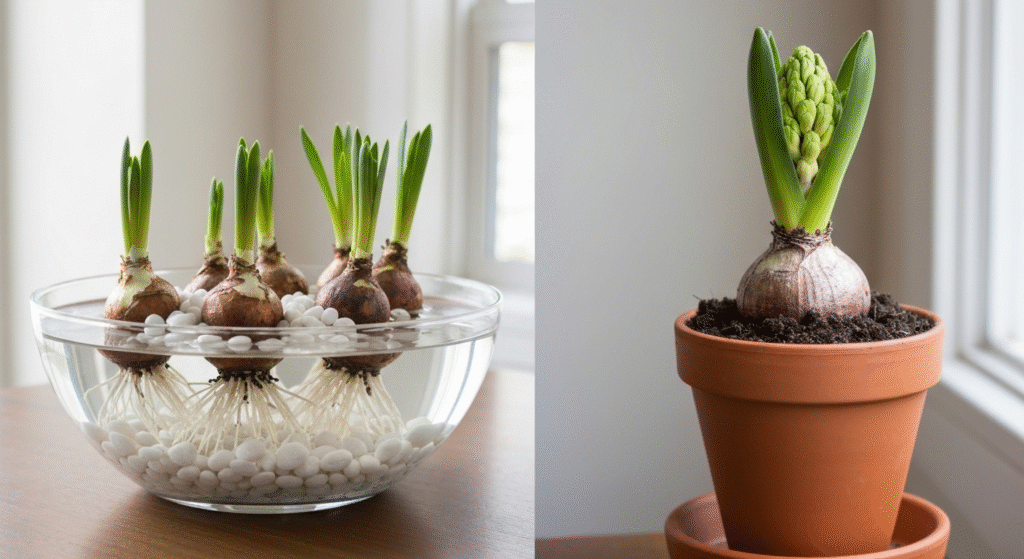
Each type of bulb has a slightly different process. Here, we’ll walk through the specific steps for the most popular choices, from the easiest to the more involved.
Forcing Paperwhites: The Easiest Entry Point
Paperwhites are part of the Narcissus family and are incredibly easy to force because they require no chilling period. They are the perfect starting point if you’re new to this. You can have fragrant blooms in as little as 4 to 6 weeks.
Steps for Forcing Paperwhites:
- Choose a shallow container: A glass bowl or vase about 3-4 inches deep is ideal. There are no drainage holes needed since you’re not using soil.
- Add a base layer: Fill the container with 2-3 inches of pebbles, marbles, or decorative stones. This layer will anchor the bulbs’ roots.
- Position the bulbs: Place the paperwhite bulbs, pointed-end up, on top of the stones. Pack them in closely, side-by-side, without them touching. Adding more bulbs creates a fuller display.
- Add water: Pour water into the container until it just reaches the base of the bulbs. It’s critical that the water doesn’t touch the bulb itself, as this will cause it to rot. The roots will grow down into the water.
- Place and wait: Move the container to a cool, dimly lit spot (around 50-60°F or 10-15°C) for the first week or two to encourage root growth before the leaves shoot up. Then, move it to a bright, sunny window.
- Maintain water levels: Check the water level every few days and add more as needed to keep it at the base of the bulbs.
Pros and Cons of Forcing Paperwhites
- Pros: Very fast, no chilling required, can be grown without soil.
- Cons: The fragrance can be overpowering for some people, and stems can grow tall and floppy.
Forcing Tulips Indoors: A Classic Spring Flower
Forcing tulips requires more patience due to the long chilling period, but the reward of seeing them bloom indoors is well worth the effort.
Steps for Forcing Tulips:
- Pot the bulbs: Fill a pot with drainage holes about two-thirds full with potting mix. Place the tulip bulbs on the soil, pointed-end up. You can plant them close together, but make sure they aren’t touching each other or the sides of the pot.
- Cover with soil: Add more soil until just the tips of the bulbs are peeking out.
- Water thoroughly: Water the soil until you see it drain from the bottom of the pot. There’s no need to water again until you bring them out of the cold.
- Begin the chill: Place the pot in a cold, dark location for 12-16 weeks. An unheated garage, a spare refrigerator, or a cold cellar works well. The temperature must remain between 35-48°F (2-9°C). Remember to label the pot with the date you started the chill.
- Check for readiness: After the chilling period, you should see some small, yellowish sprouts. This is your cue that they are ready for the next step.
- Transition to light: Move the pot to a cool room with indirect light (around 60°F or 15°C) for about two weeks. This gradual transition prevents shock. The sprouts will turn green.
- Bring into the warmth: Once the shoots are a few inches tall and green, move the pot to a warm, sunny spot. Keep the soil moist, and you should see flowers in about 3-4 weeks.
Forcing Hyacinths: Fragrance for Your Home
Hyacinths are famous for their powerful, sweet scent. They can be forced in soil just like tulips or in a special forcing glass with only water.
Steps for Forcing Hyacinths in Soil:
The process is identical to forcing tulips. Pot the bulbs, water them, and give them a 10-14 week chilling period in a cold, dark place. After the chill, gradually move them into warmer and brighter conditions to trigger blooming.
Steps for Forcing Hyacinths in Water:
- Fill the forcing glass: Fill the special hourglass-shaped glass with water until it’s just below the upper cup where the bulb will sit.
- Place the bulb: Set the hyacinth bulb in the cup, pointed-end up. The base of the bulb should not be touching the water; the roots will grow down toward it.
- Chill the bulb: Place the glass in a cold, dark location for its 10-14 week chilling period. I find that covering the glass with a small paper bag helps keep the light out. Check the water level periodically and refill as needed.
- Transition to light: Once a strong root system has developed and a green shoot is about 1-2 inches tall, move the glass to a cool, dimly lit spot for a few days before placing it in a bright window.
A Comparative Look at Forcing Timelines
To make planning easier, here’s a quick-reference table that summarizes the timelines for getting from a dormant bulb to a beautiful indoor bloom.
| Bulb Type | Average Chilling Time | Average Time to Bloom After Chilling | Total Time from Start to Finish |
| Paperwhites | 0 weeks | 4-6 weeks | 4-6 weeks |
| Crocuses | 8-12 weeks | 2-3 weeks | 10-15 weeks |
| Hyacinths | 10-14 weeks | 2-3 weeks | 12-17 weeks |
| Tulips | 12-16 weeks | 3-4 weeks | 15-20 weeks |
Post-Bloom Care: What to Do After the Flowers Fade
After you’ve enjoyed the flowers, you might wonder what to do with the bulbs. Their future depends on the type of bulb and how it was forced.
- Paperwhites: These bulbs exhaust all their energy in the forcing process and will not bloom again. It’s best to discard them in your compost bin.
- Tulips, Hyacinths, and Crocuses: These bulbs have a chance of survival. After they finish blooming, cut off the faded flower stalk but allow the foliage to continue growing. Keep the pot in a sunny spot and water it as needed. Let the leaves turn yellow and die back naturally. This allows the bulb to store energy for next year. Once the foliage is completely dead, you can plant the bulbs outdoors in your garden in the fall. Be patient—they may take a year or two to recover and produce flowers again.
Common Problems and How to Solve Them
Forcing bulbs is generally straightforward, but a few issues can pop up. Here are some common problems I’ve encountered and how to fix them.
Leggy Stems and Weak Growth
This is often caused by too much warmth and not enough light after the chilling period. The stems stretch out, searching for light, and become weak.
- Solution: After chilling, make sure to transition the bulbs through a cool, indirectly lit area before moving them to a warm, sunny window. Once they are in the sun, rotate the pot every day to encourage even, upright growth.
Bulbs Rotting
Rot is almost always caused by too much water.
- Solution: Ensure your pots have excellent drainage. When forcing in water, never let the water level touch the base of the bulb. In soil, let the top inch dry out slightly between waterings once the plant is actively growing.
No Blooms Appearing
If your bulbs produce leaves but no flowers, the most likely culprit is an insufficient chilling period.
- Solution: This is a problem that needs to be prevented rather than fixed. Be diligent about the chilling time. Mark your calendar and make sure the bulbs get the full cold treatment they require. Using high-quality, large bulbs also ensures they have enough energy stored to produce a flower.
Frequently Asked Questions
Can I use the regular refrigerator in my kitchen to chill the bulbs?
Yes, you can, but you must not store them with fruits like apples or bananas. Ripening fruit releases ethylene gas, which can sterilize the flower bud inside the bulb, preventing it from blooming.
Why are my forced tulip leaves growing but not the flower stem?
This is another common sign of an inadequate chilling period. The leaves will often grow regardless, but the flower bud needs the full cold treatment to be triggered into growing.
Do I need to fertilize my bulbs while forcing them?
No, you don’t. The bulb itself contains all the nutrients and energy it needs to produce one beautiful bloom. Fertilizing is unnecessary and can sometimes harm the plant.
How do I keep my tall paperwhites from falling over?
A common trick is to add a small amount of alcohol to the water once the shoots are a couple of inches tall. A solution of about 1 part rubbing alcohol to 7 parts water can stunt the foliage growth just enough to keep the plant shorter and sturdier without affecting the bloom.
Conclusion
Forcing spring bulbs is a simple and deeply satisfying way to bring life and color into your home when the world outside is gray and dormant. It connects you to the rhythm of the seasons, even if you’re creating that rhythm yourself in a pot on your windowsill. From the effortless beauty of paperwhites to the classic elegance of tulips, there is a bulb for every level of patience and experience.
The process teaches us that a period of cold and dark is often necessary for beautiful things to grow. By providing that essential chill, you are setting the stage for a spectacular indoor show. So this fall, pick up a few bulbs, give them a spot in your fridge, and get ready to enjoy a personal preview of spring long before the snow melts.