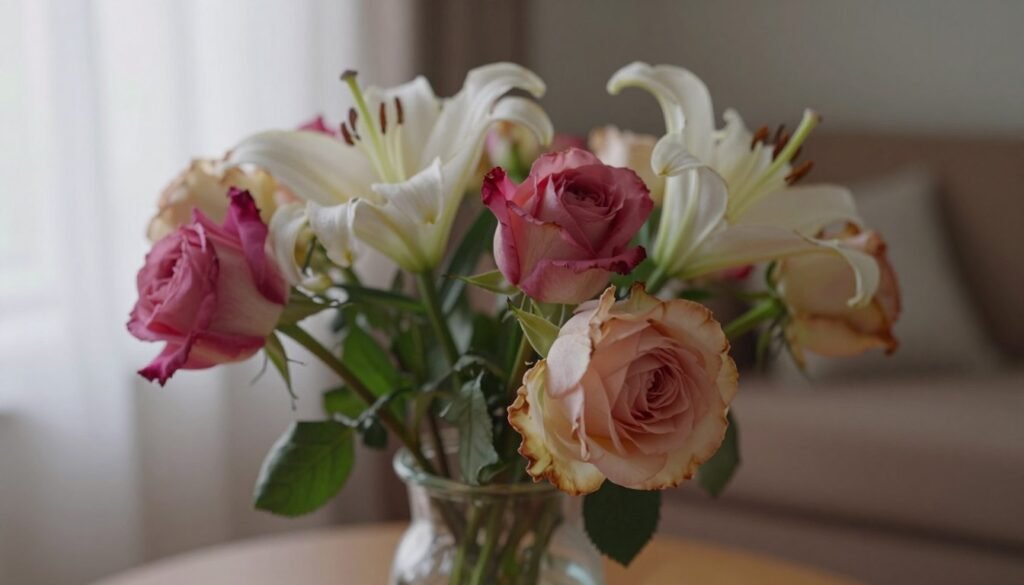

Surprising fact: studies show up to 40% of houseplants lose noticeable hue after moving inside during cooler months.
What this means: blooms that look washed out or paler than expected are often signaling a care mismatch, not permanent decline.
In plain terms, “flower color fading indoors” describes blooms that lose saturation or look lighter once a plant is inside. Some paleness is normal in new growth and deepens with time.
This guide previews three main causes — light, feeding/water/soil, and temperature/humidity — and shows simple fixes you can try now. Homes in the United States change the light pattern: window glass, HVAC systems, and uneven sun make inside conditions different from outdoors.
How to use this article: spot the symptom (bleached, dull, or patchy hue), match it to a likely cause, then apply targeted care: quick moves like rotating the pot or steady watering, and longer steps like improving soil and feeding schedules.
Note: make changes slowly. Sudden shifts in sun, water, or fertilizer can stress plants and make problems worse.
Key Takeaways
- Recognize washed-out blooms vs normal aging to target the right fix.
- Light is the most common driver; adjust placement before major treatments.
- Consistent water and balanced feeding improve longevity of blooms.
- Indoor HVAC and glass alter light and humidity compared to outdoors.
- Start with small adjustments and plan longer-term soil or feeding changes.
How Indoor Conditions Change Flower Color and Pigments
Certain shifts in light, heat, and moisture quickly alter the chemistry that makes petals show vivid tones. Plants respond to their new environment by reallocating energy, and that shows up in the blooms.
Why petals soften as blooms reach the end
As a blossom nears the end of its life cycle, it naturally loses intensity. Older blooms become lower priorities for the plant, which sends resources to roots and new growth.
What pigments do and how stress mutes tones
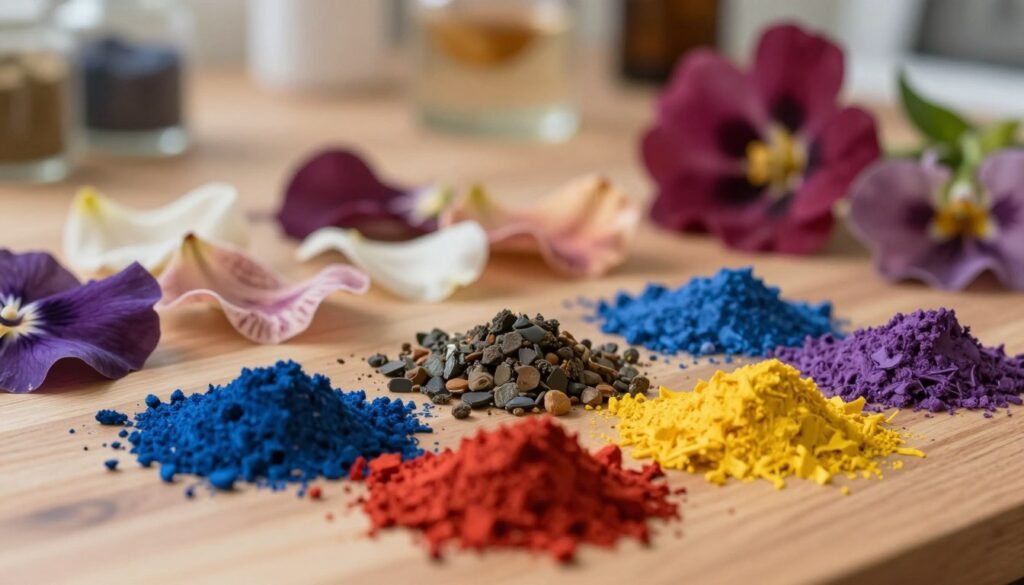
Simple pigment primer: carotenoids produce warm yellows and oranges; anthocyanins create many reds, pinks, purples, and blues. Both pigments fall if the plant faces heat, low water, or other stress.
Stress can cut pigment production, speed breakdown, or cause tissue damage that looks pale. Those are different mechanisms but the same visible result: muted colors.
Normal new growth vs a real problem
- Normal: brand-new petals are often lighter and deepen as they mature.
- Problem: broad paling combined with stalled growth or leaf drop signals stress that needs fixing.
Seasonal shifts — shorter days, low winter sun, and home heating — are common factors. For example, a plant vibrant outside can go pastel indoors from lower light energy or warmer nights rather than bad genetics.
flower color fading indoors: Light Problems and How to Fix Them
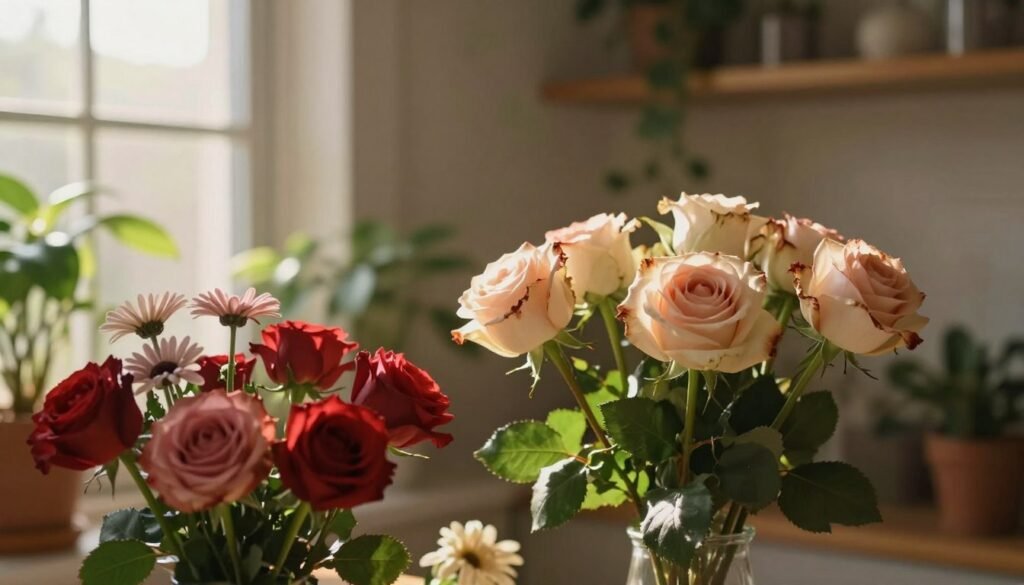
Too little or too much sun changes a plant’s energy and how it makes pigments. Diagnose the issue first: dull, low-saturation blooms usually mean not enough light, while pale patches or bleaching point to too much direct sunlight through glass.
Too little light and low energy for color production
When a plant can’t capture enough light, it cuts pigment output to save energy. That leaves blooms and leaves looking washed or weak. Move the pot to a brighter spot for a week and watch for improvement.
Too much direct sunlight and sunscald near windows
Glass can concentrate heat and cause cell damage. If petals show white or yellow patches, reduce direct sunlight and move the plant back from the pane.
Finding the right spot and rotating for even tone
- Window guide: north = low, east = gentle morning, west = strong afternoon, south = brightest.
- Use sheer curtains or place in partial shade to soften harsh rays.
- Keep a one- to two-week gap after moving, and rotate the pot weekly so every side gets similar light.
Feeding, Water, and Soil Factors That Wash Out Blooms
Even with correct light, a plant can look dull if its roots lack steady food and water. Think of feeding and watering as color support for blooms: the right soil and nutrient levels keep petals and leaves vivid.
Nutrient deficiency and why under-fertilized plants lose vibrancy
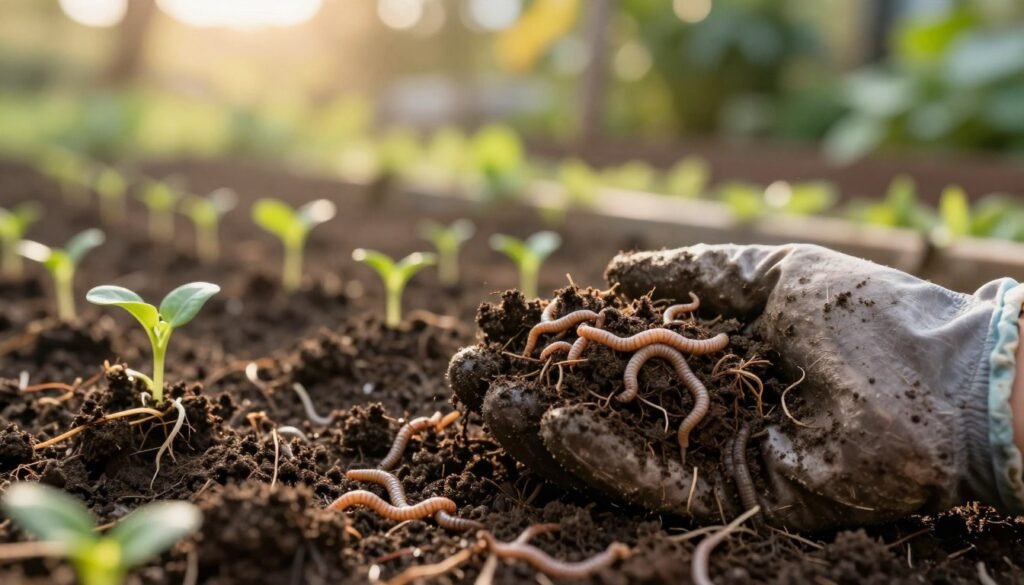
When a plant lacks key nutrients it cuts back on pigment production. Leaves may pale first, giving an early warning before blooms weaken.
Choosing a fertilizer approach that supports flowering
Use a balanced, bloom-focused fertilizer and avoid excess nitrogen. Too much nitrogen sends energy to leafy growth and can stall blooms.
Inconsistent moisture, root stress, and underwatering
Repeated dry cycles stress roots and lower water movement to blooms. Water thoroughly, empty saucers, then wait until the top inch of soil feels dry for that plant type.
Drainage and soil health basics
Pick an airy potting mix and always use a drain hole. Compacted soil keeps roots soggy and reduces overall plant health.
Soil pH and pH-sensitive shifts
Some species change hue with pH because aluminum availability varies. For example, hydrangeas trend bluer in acidic soil and pinker in neutral to alkaline soil.
How to test pH at home and change it safely
Start with a home test kit for accuracy. A vinegar/baking-soda check gives a rough result, but any adjustments should be gradual and may take a season to show results.
- Quick tips: feed sparingly in winter, keep moisture steady, and test soil before major changes.
Temperature, Humidity, and Seasonal Stress Indoors
A home’s microclimate — warm nights, humid days, and sudden drafts — directly changes how vivid a bloom appears. Small shifts in temperatures and conditions can slow pigment production and shorten a flower’s life.
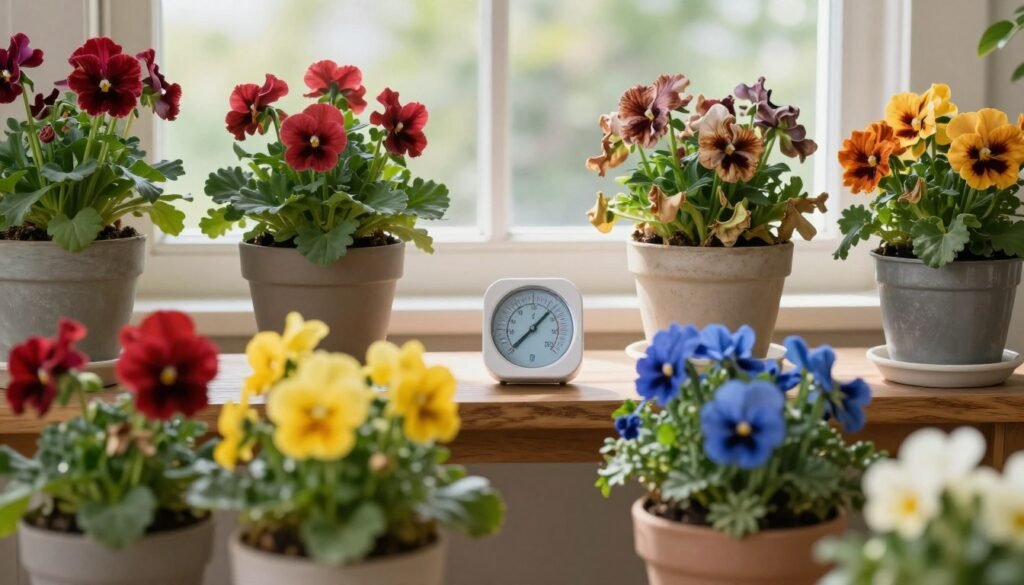
High heat and warm nights slowing pigment production
When night temperatures stay high, many plants cut back on pigment synthesis. Blooms open lighter and may not deepen later.
Humidity without a nighttime “rest period”
Constant high humidity removes the usual overnight drop that plants use to breathe and reset. That flat environment adds stress and reduces bloom intensity.
Drafts, heaters, and AC vents as hidden extremes
Drafts, vents, and heaters create rapid swings — a key factor that damages petals. Move pots away from direct airflow to keep the microclimate stable.
Summer sun through glass versus outdoor sun
Summer light through a pane can trap heat and intensify rays more than outside. That combo speeds paleing inside and raises season-based conditions to levels plants did not evolve for.
“Reduce stress and stabilize the microclimate: steady temperatures and proper placement often restore richer tones.”
- Use a thermometer/hygrometer at pot level to track real temperatures.
- Avoid radiators, vents, and door drafts.
- Place plants where nights are cooler for the season.
Conclusion
A drop in petal intensity often points to manageable issues like light balance, watering, and soil health.
Start by ruling out normal aging and pale new growth. Then check light levels, moisture and feeding in that order. Watch the leaves — they usually show stress before blooms do.
Next steps: move the pot to gentler bright light, rotate weekly, water on a steady schedule, and confirm good drainage and healthy soil. Use a bloom-focused fertilizer rather than heavy nitrogen.
If your plant is pH-sensitive (hydrangeas, for example), test the soil before guessing. Genetics set limits, but steady care and stable conditions bring the best results.
Small, gradual adjustments beat drastic shifts. Be patient — consistent care is the fastest path to richer-looking flowers and healthier plants.