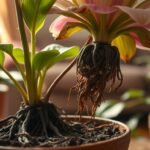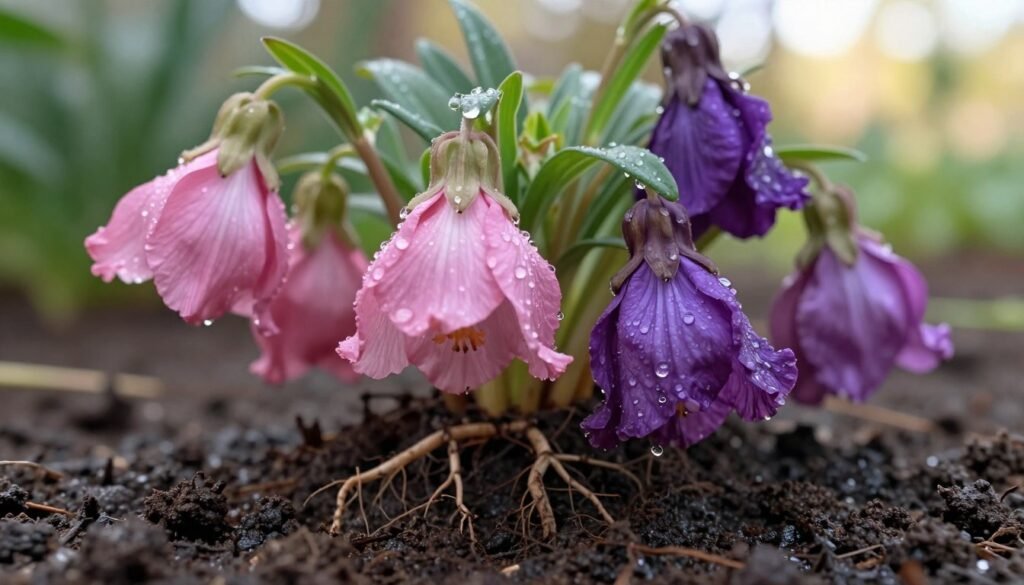

Surprising fact: nearly 70% of indoor gardeners report seeing limp stems immediately after they water, yet most cases are not a thirst issue.
This short guide helps you spot the real causes quickly. You’ll learn to tell if limpness is due to root stress, shock, or poor drainage — not just lack of water.
We’ll separate two scenarios up front: living potted plants versus cut stems in a vase. Each needs a different approach, and knowing which one you have saves time.
Fast diagnostics first: the article gives easy checks to do in the first few minutes. Then it moves into root and soil troubleshooting, plus simple fixes.
Most solutions are straightforward: adjust how you water, improve airflow and potting mix, or tweak the environment. The aim is healthier plants and longer-lasting beauty, not quick hacks that fail.
Reassuring note: dramatic limpness often recovers once the root zone gets oxygen and steady moisture. Later sections also include cut-flower rescue steps like a clean vase, recut stems, and a cold-water soak.
Key Takeaways
- Seeing limp stems right after you water is common and not always a sign of under-watering.
- This guide helps you identify root stress, shock, and drainage problems.
- Solutions differ for potted plants versus cut stems in a vase.
- Start with quick checks, then move to deeper root and soil fixes.
- Simple changes to water technique and potting mix often restore health.
- Goal: lasting plant health and sustained beauty, not temporary fixes.
What drooping really means after you water
Quick idea: limp stems and soft petals usually point to a pressure problem inside cells, not just simple dryness.
Wilting basics: wilting occurs when a plant loses water faster than its roots can replace it. Transpiration from leaves and open blooms pulls moisture out, and the root system must move water up fast enough to keep tissues firm.
If roots are damaged or the soil holds no oxygen, uptake slows. That creates the paradox of a wet pot with a limp top — the plant cannot take up water even though it’s available.
Loss of turgor pressure looks like soft petals, bending stems, and an overall “deflated” appearance. A short, midday wilt often reverses when temperatures drop. Persistent sagging soon after a drink signals root-zone trouble instead.
“Before you repot or add fertilizer, try simple checks to narrow the cause.”
Good care starts with those quick checks — feel the soil, check for standing water, and note air and temperature around the plant. The next section shows easy first-minute tests.
Fast checks to do in the first minutes
Begin by running a fast triage—small tests in minutes can prevent wrong fixes. Do these quick checks before you change soil or move the pot.
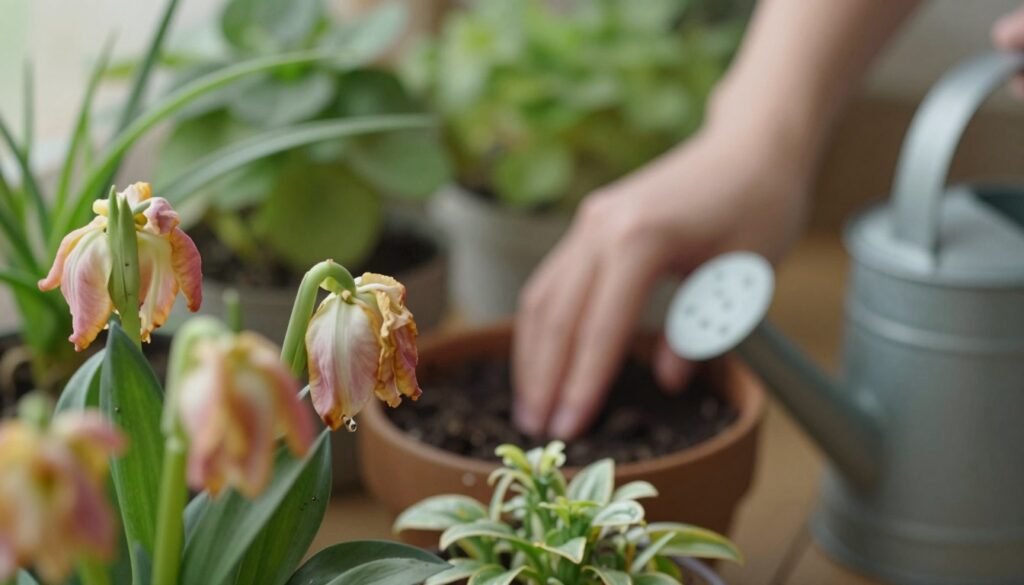
Soil and saucer first: Press a finger 1–2 inches into the mix. Compare the top and deeper moisture. This reveals “wet on top, dry below” or heavy, swampy soil that traps water.
- Check the saucer: standing water at the bottom is a red flag for oxygen-starved roots.
- If soil feels heavy or smells off, suspect poor aeration and root stress.
- If water runs straight through or pools on top, look for dry pockets that repel water.
Next, scan the environment. Strong sun, warm heat, or HVAC drafts can spike transpiration. Low air movement makes plants lose turgor faster.
Try a temporary reposition: move to bright, indirect light with steadier temperature and gentle air flow while you diagnose.
| Quick Check | What to look for | Immediate action |
|---|---|---|
| Soil feel | Dry below, moist on top or swampy | Delay heavy fixes; water deeply or let dry based on result |
| Saucer | Standing water at bottom | Drain and improve pot drainage |
| Environment | Direct sun, drafts, high heat | Move to stable conditions, increase air circulation |
Quick tips: these simple minutes of checks steer you to the right next step and prepare you for deeper causes like soggy mix, hydrophobic pockets, temperature shock, or salt stress.
drooping flowers after watering: the most common hidden causes
Often the culprit is below the surface — problems in the pot that block water uptake. Below are the usual suspects and clear signs that each one creates.
Root oxygen starvation from soggy soil and compacted mix
What happens: heavy, waterlogged mix removes air spaces so roots can’t breathe. Roots slow their uptake and the top wilts even though the soil is wet.
How it shows: the surface stays wet for a long time and the plant looks limp the same day.
Hydrophobic dry pockets that shed water
Peat-heavy or completely dried soil can repel water. Water runs down pot sides and the middle of the root ball stays dry.
Clue: the surface looks moist where you poured, but plants continue drooping because parts of the root mass never rehydrated.
Temperature shock from very cold water or sudden changes
Giving very cold water or moving a pot into a colder room can slow root function briefly. That pause causes a wilt-like sag for a few hours.
Salt buildup and fertilizer burn
Concentrated salts near roots pull moisture out of tissue. After a heavy feed, you may see immediate drooping, curled leaves, or dull color.
Quick tips: if roots are suspected, inspect gently. Avoid radical fixes; check drainage, feel the root ball, and flush salts if needed.
| Cause | Key sign | Immediate step |
|---|---|---|
| Oxygen starvation | Wet pot, limp top | Improve drainage, repot into airy mix |
| Hydrophobic pockets | Wet rim, dry core | Soak slowly, use wetting agent |
| Temperature shock | Sudden droop, recovers in hours | Use room-temperature water, steady location |
| Salt/fertilizer burn | Curling leaves, dull color | Flush pot with clean water, reduce feed |
Root stress and root rot: how to spot it and what to do next
What looks like thirst at the foliage can start deep in the root ball. Watch for steady wilting, yellowing leaves, slowed growth, mushy stem bases, or soil that stays wet at the bottom too long.
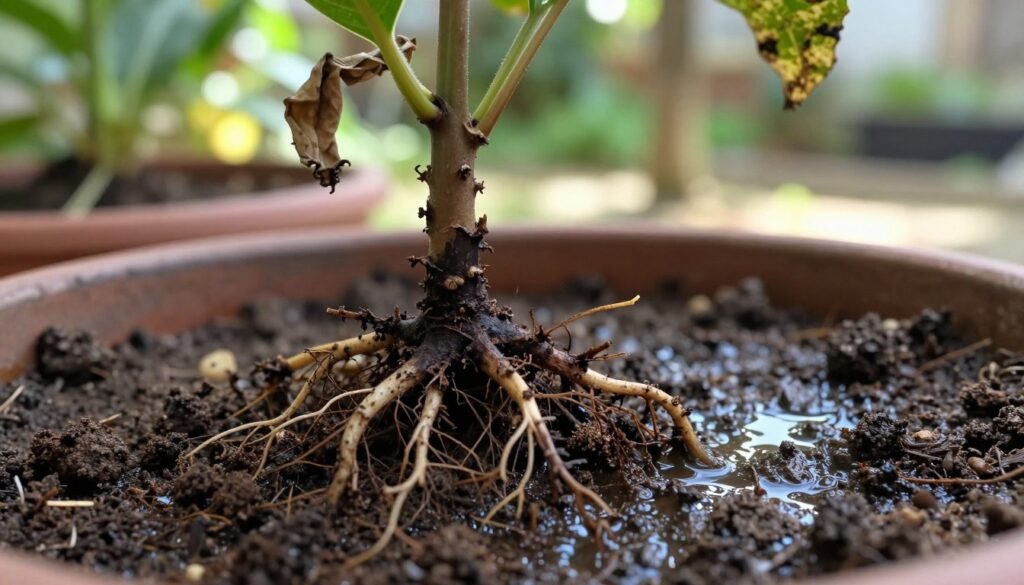
Warning signs in leaves and stems
Above-ground clues include ongoing limpness, pale or yellow leaves, and soft stems near the soil line. These symptoms often appear even when the pot feels wet below.
How to inspect roots safely
To check roots, slide the plant gently from its pot while supporting the stems. Examine the root mass for color and texture.
Healthy roots are firm and light-colored. Unhealthy roots look dark, slimy, or may slough off when touched.
How to let the root zone breathe without dehydrating the plant
- Pause regular waterings and let the mix dry to a balanced level by feel.
- Improve airflow around the pot and remove standing water from the saucer.
- If rot is present, trim rotten roots, repot into a freer-draining mix, and disinfect tools.
Care tip: aim to restore oxygen to roots while checking moisture with your finger, not the calendar. Monitor the plants over several days for firmer leaves and reduced sag as signs of recovery.
Drainage problems that make watering backfire
A clear exit path for excess water is the single most important rule for healthy potted plants. If water cannot leave the container, roots sit in a low-oxygen zone and will lose function fast.
Why pots need holes and an escape route
Drainage holes let surplus water flow out so air can fill the voids in the mix. Roots need that air to grab moisture and stay firm.
If runoff sits in a saucer, the pot re-absorbs it and the root zone stays saturated. Empty the saucer promptly to avoid long-term soaking.
How too-big pots and heavy mixes trap moisture
Extra soil volume holds water far longer than a small root ball can use. That creates a wet layer at the bottom where roots slow down.
Dense, compacted mixes collapse over time and reduce air pockets. Even careful water care won’t help if the mix won’t drain.
Simple fixes and a practical check
- Use an airy potting mix and add perlite or pumice to keep structure.
- Match container size to the root mass — move up one inch size rather than several sizes at once.
- After watering, you should see steady drainage within minutes and no pooling that lasts hours.
- Avoid layering rocks as a shortcut; focus on holes, mix structure, and correct pot size.
Tip: when repotting, choose a free-draining blend and test by watering once. Good drainage shows immediate runoff and a light, airy feel in the mix.
Watering technique that prevents droop the same day
A reliable watering routine keeps stress out of the root zone and prevents sag that can happen within hours.
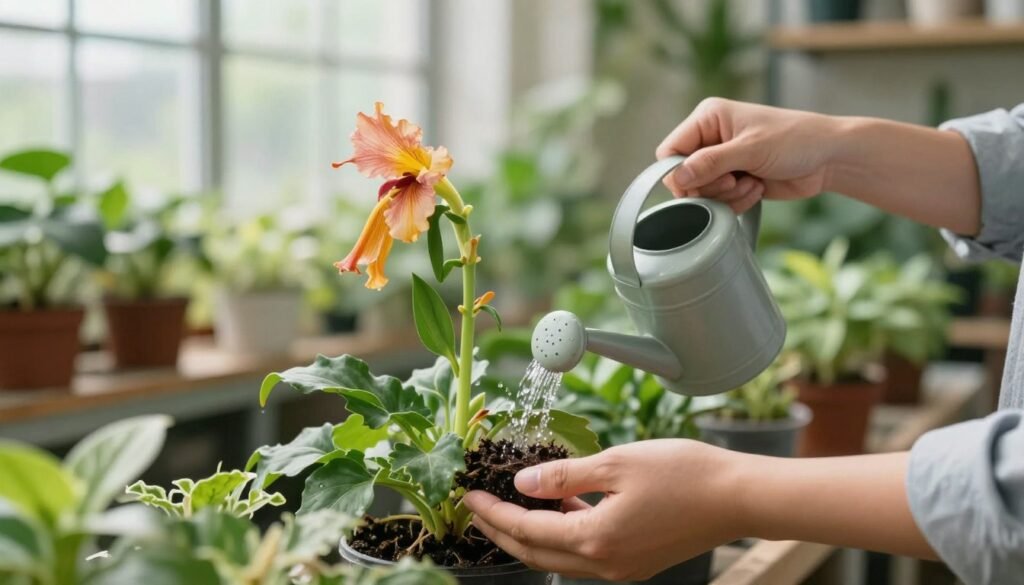
How deep to water and when to stop (watching runoff)
Deep watering: water until you see a little runoff. That shows the entire root ball is moist, not just the surface.
Once runoff is steady, empty the saucer so the pot does not sit in excess water. Sitting in collected liquid reduces root oxygen and causes quick stress.
Why consistent moisture beats frequent sips
Small, frequent drinks encourage shallow roots and leave dry pockets deeper down. That pattern makes the plant more prone to stress.
Keep a steady rhythm of thorough soaks and measured dry-back. Consistency helps roots function predictably and reduces same-day sag.
When morning watering helps in hot conditions
Water in the morning on very hot days. Early hydration supports transpiration before heat peaks later in the day. This simple timing cutback limits midday collapse.
Practical measurement: if your mix repels water, apply in stages. Wait a few minutes between fills so the soil can absorb. Aim to wet at least an inch into the root ball on each soak.
| Technique | Sign you’re doing it right | Quick action |
|---|---|---|
| Deep soak | Little runoff appears | Stop and drain saucer |
| Staged pour | Even mix absorption | Wait 2–5 minutes between fills |
| Morning schedule | Firm leaves by midday | Water before heat rises |
Care note: adapt to the specific plant, pot, and season. The best technique cannot fix poor drainage or low root oxygen—address those fundamentals first.
When the “flowers” are cut stems in a vase instead of a live plant
A well-filled vase may still fail to hydrate stems if tiny blockages form fast. In many cases the visible sag comes from microbes in the water that clog vascular tubes, not from lack of liquid.
Bacteria: the silent clog
Bacteria multiply quickly in warm, nutrient-rich water. They coat cut ends and the inside of stems, which reduces uptake and causes petals to go soft.
Clean vases and tools
Wash the vase with hot, soapy water and rinse well. Use disinfected, sharp cutters so stem ends stay open and do not get crushed.
Re-cut at 45 degrees
Cutting stems on a 45-degree angle increases surface area and prevents the end from sitting flat on the vase bottom. That angle helps stems drink more effectively.
About the 30-minute seal
Stem ends can begin to seal if left out of water for roughly 30 minutes. A fresh cut removes that seal and reopens the pathways.
Quick outcome: clean care keeps bacteria low, keeps stems drinking, and helps petals stay firmer. The next section shows a fast rescue routine to rehydrate limp cut blooms.
How to revive droopy cut flowers quickly
A practical cold-water soak is the go-to fix for many wilted rose bouquets. Move quickly — prompt care gives stems the best chance to recover.
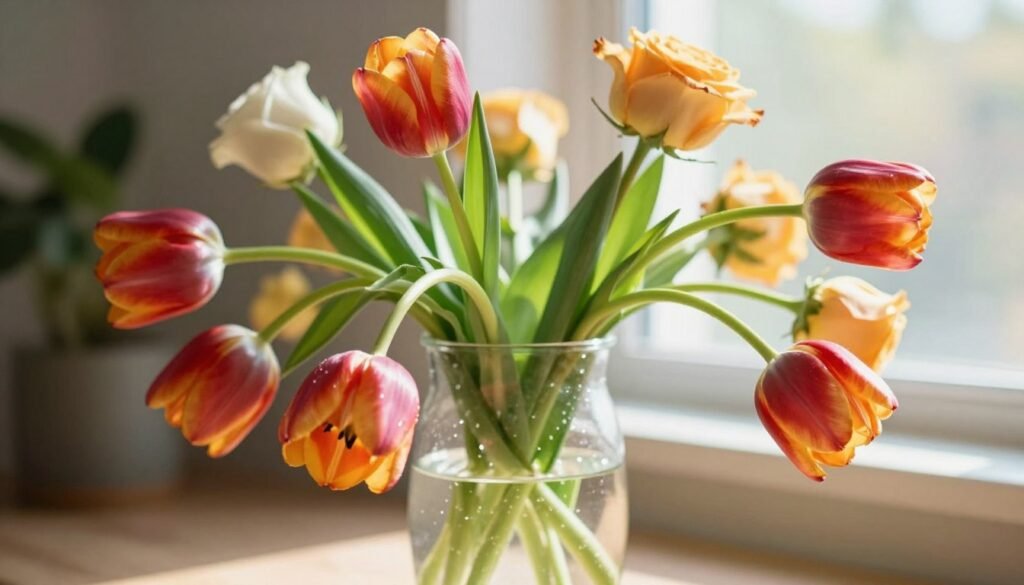
Do this now: remove the stems from the vase and recut about 1 inch off each stem at a 45-degree angle with a sharp tool. This reopens water channels and prevents the end from sealing.
Cold-water soak method
Submerge entire stems — and blooms when safe — in cold water for at least 30 minutes. The chill helps tissues rehydrate and slows bacterial growth.
Refresh the vase and use flower food
Wash the vase thoroughly, then refill with fresh cold water and the included flower food. Food helps regulate pH, supplies nutrients, and improves uptake compared to plain water.
- Remove bouquet and trim about 1 inch at 45°.
- Soak stems and heads in cold water for 30+ minutes.
- Clean the vase, add fresh cold water plus flower food.
- Recut stems again underwater if possible, then return to the vase.
Expectations: many stems perk up within hours, though full recovery depends on age and how long they were dehydrated. Tip: act fast — quicker intervention usually means better results.
Set the right environment to extend bloom life
A cool, stable room can add days to any arrangement by slowing respiration and water loss. Keep groups of stems away from direct sun, vents, and radiators. Even well-hydrated stems will lose turgor fast in warm, direct light.
Keep arrangements cool and out of direct sunlight to slow water loss
Professional storage is about 34–38°F, but at home aim for the coolest, consistent spot you have. A kitchen counter by a window is usually a poor choice.
Quick home tip: move bouquets away from sunny windowsills, ovens, and heating vents to preserve beauty and gain extra days of bloom life.
Avoid ethylene gas from ripening produce like apples and bananas
Ripening fruit releases ethylene, a gas that speeds aging. Keep arrangements separated from fruit bowls and trash bins in the kitchen.
Good airflow helps, too. Gentle circulation keeps temperature steady and prevents pockets of warm, stale air that accelerate decline.
“Match water management with oxygen and stable conditions to get the longest life from stems.”
Simple routine: refresh placement when weather or HVAC settings change. Better conditions mean fewer replacements and more days enjoying the display.
Conclusion
A quick look at your pot and vase often tells the story: limp stems usually mean uptake problems—low oxygen, poor drainage, root stress, or an environmental shift—not simply more water.
Do fast checks: feel the soil, empty the saucer, and watch for harsh sun or drafts. These simple steps help you find the cause quickly and avoid repeated stress.
For live plants, improve drainage, match pot size to the root ball, use a lighter mix, then water deeply but less often. For a cut flower arrangement, clean the vase, recut stems, add food, and keep the display cool.
Monitor firmness in the leaves over the next few days. Small changes—better drainage, cleaner tools, steadier conditions—usually bring the biggest improvement in bloom quality.