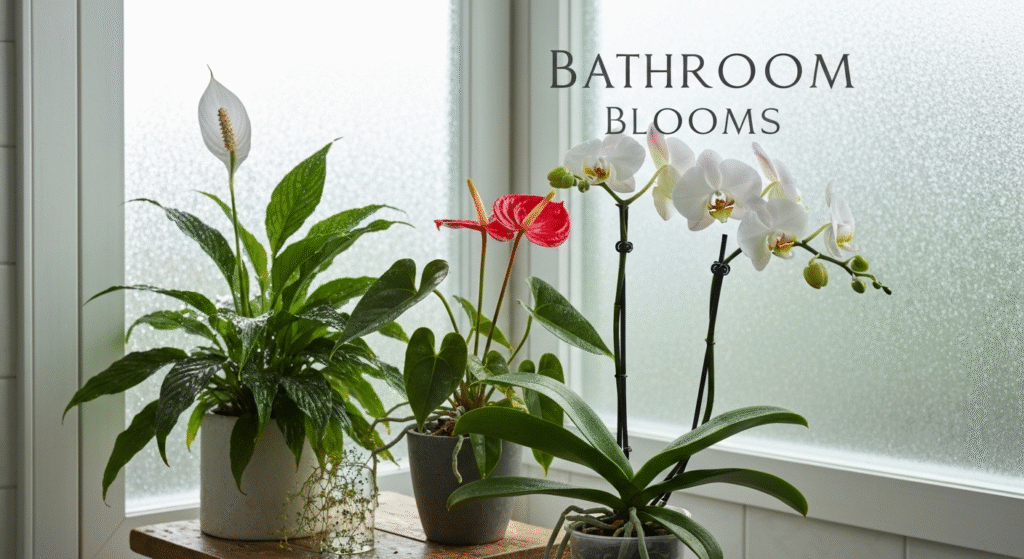

Have you ever looked at your bathroom and thought it could use a bit more life? For many, the bathroom is just a functional space, but it holds a secret potential to become a lush, green oasis. The very thing that can cause problems in a home—humidity—is a huge advantage for a specific group of plants. The steam from showers and baths creates a microclimate that mimics the tropical rainforests where some of the world’s most beautiful flowering plants originate.
My name is Kamil Khan, and for years, I’ve been fascinated with creating the perfect indoor environments for flowers to flourish. My work involves exploring how different conditions in our homes can replicate a plant’s natural habitat. I’ve spent countless hours observing how houseplants respond to changes in light, temperature, and especially humidity. Through this hands-on experience, I’ve learned that the bathroom isn’t a place to be avoided for plants; for the right ones, it’s the best room in the house. This guide comes from that passion and practical knowledge, aimed at helping you turn your bathroom into a vibrant, blooming sanctuary.
Why Your Bathroom is a Secret Plant Paradise
Before we jump into the specific plants, let’s break down what makes the bathroom such a unique and promising environment. It’s not just about the steam. The combination of humidity, light, and temperature creates a distinct ecosystem that many houseplants are naturally programmed to love. Understanding these factors is the key to selecting plants that won’t just survive but will actively thrive.
The Power of Humidity
The single greatest asset of your bathroom is its high humidity. In their native tropical environments, plants are constantly surrounded by moist air. This is important for a few reasons:
- Reduces Water Loss: Plants “breathe” through tiny pores on their leaves called stomata. In dry air, they lose a lot of water through these pores in a process called transpiration. High humidity slows this process way down, reducing stress on the plant and allowing it to retain more moisture. This is why you’ll often see fewer crispy, brown leaf tips on plants kept in a bathroom.
- Mimics Natural Habitat: For plants like orchids, bromeliads, and many begonias, humidity is a signal that they are in a safe and healthy environment. It encourages lush foliage and can be a key trigger for flowering.
- Keeps Leaves Clean: The gentle condensation and moist air help keep dust from settling on leaves. Clean leaves are more efficient at photosynthesis, the process of converting light into energy.
Light: The Biggest Variable
Here’s the thing: while humidity is a given, light is the one factor that varies wildly from one bathroom to another. Many bathrooms have small, frosted windows, while others have none at all. This is the most critical element you need to assess before choosing a plant. A plant that loves humidity but needs bright light will slowly fail in a dark, windowless bathroom.
- Low-Light Bathrooms: These typically have no window or a very small, north-facing one. Your options will be more limited, but some plants, like the Peace Lily, are well-adapted to these conditions.
- Medium-Light Bathrooms: This is the ideal scenario. A bathroom with a frosted east-facing or south-facing window provides “bright, indirect light,” which is the gold standard for most tropical flowering plants. It’s enough light to fuel blooming without the harsh, direct sunbeams that can scorch delicate leaves.
The Importance of Good Airflow
Humidity is great, but stagnant, damp air is not. Without proper air circulation, the consistently moist environment can become a breeding ground for fungal diseases like powdery mildew. Good ventilation is non-negotiable for a healthy bathroom garden. Using an exhaust fan during and after showers, or simply leaving the door open for a while each day, is enough to keep the air moving. This ensures your plants get the humid air they love without the risk of disease.
Top Flowering Houseplants for Humid Bathrooms
Now that you understand the environment, let’s get to the fun part: choosing your plants. I’ve selected a handful of reliable bloomers that I’ve personally found do exceptionally well with the extra moisture a bathroom provides.
Orchids (Phalaenopsis): The Classic Choice
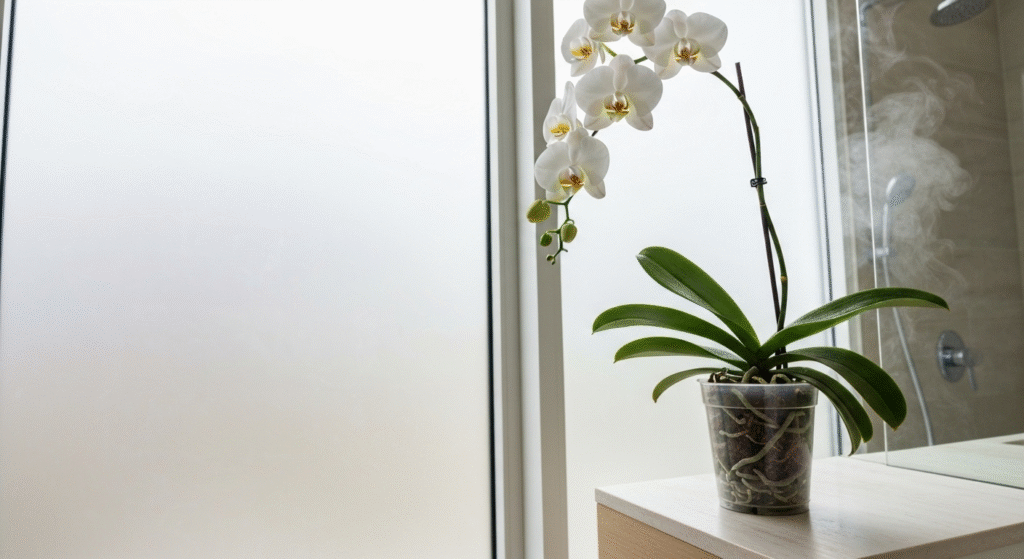
Often seen as delicate or high-maintenance, the Moth Orchid (Phalaenopsis) is surprisingly at home in a bathroom setting. In fact, it’s one of the best places for them. Their native environment is the humid understory of tropical forests, where they cling to trees and absorb moisture from the air. A steamy bathroom replicates this perfectly. I’ve found that my own orchids, which can be reluctant to rebloom in a dry living room, often produce new flower spikes after a few months in the bathroom.
They need bright, indirect light, making a spot near a frosted window ideal. The key is to avoid letting their roots sit in water. Orchids are epiphytes, meaning their roots need air. Plant them in a coarse orchid mix (mostly bark) and water only when the mix is nearly dry. The ambient humidity will do the rest.
| Pros of Orchids in a Bathroom | Cons of Orchids in a Bathroom |
| High humidity promotes long-lasting blooms. | Requires bright, indirect light, not suitable for dark bathrooms. |
| Reduces the need for frequent watering. | Roots are very sensitive to overwatering and need excellent drainage. |
| Mimics their natural habitat, encouraging reblooming. | Can be sensitive to sudden temperature changes from drafts. |
Peace Lilies (Spathiphyllum): More Than Just Greenery
The Peace Lily is a champion of low-light environments, making it a go-to for bathrooms that don’t get a lot of sun. While known for its lush, dark green leaves, it also produces elegant white blooms (called spathes) that can last for weeks. The high humidity of a bathroom is a huge benefit for Peace Lilies, as it helps prevent the dreaded crispy brown leaf tips they are prone to in drier air.
These plants are also great communicators. They will dramatically droop when they need water, but they bounce back quickly once you give them a drink. This makes them a forgiving choice for beginners. While they tolerate low light, a bit more brightness will encourage more frequent blooming. A spot on a counter away from a window is often a perfect balance.
Begonias: A Splash of Color and Texture
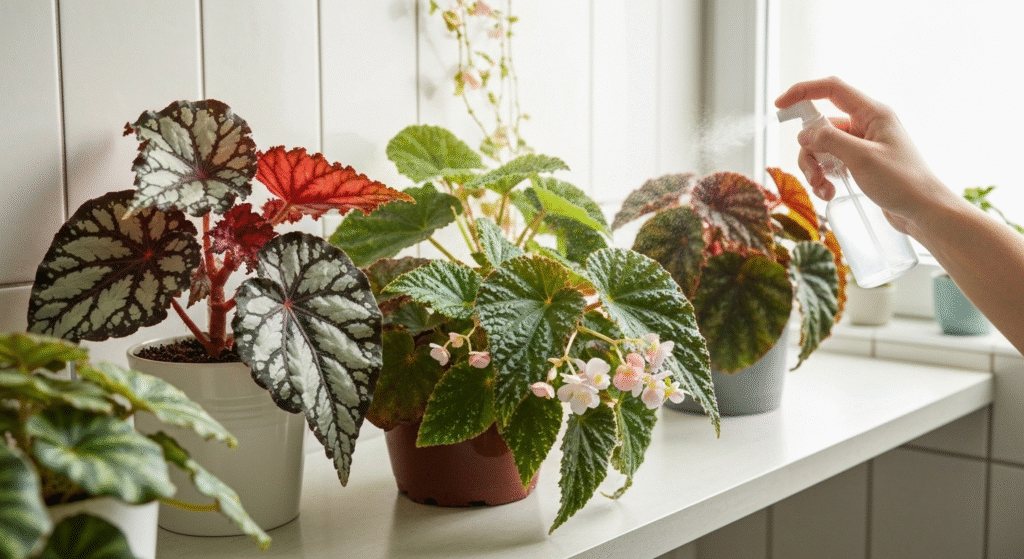
The Begonia family is vast, but many varieties, especially Rhizomatous and Rex Begonias, thrive on the kind of humidity found in a bathroom. These types are often grown for their stunningly patterned and textured leaves, but they also produce delicate sprays of flowers. In my experience, keeping them in a bathroom solves the number one problem people have with these plants: crispy, dry edges on their intricate leaves.
Here are a few tips for success with begonias in a humid space:
- Provide Good Airflow: Begonias are particularly susceptible to powdery mildew if the air is stagnant. Make sure your bathroom fan is in good working order.
- Give Them Bright, Indirect Light: An east-facing window is perfect. They need enough light to fuel their growth and flowering but will burn in direct sun.
- Water Mindfully: They prefer to stay evenly moist but not waterlogged. The high humidity means you’ll water less frequently than you would in another room. Always check the soil first.
Anthuriums (Flamingo Flower): The Glossy Showstopper
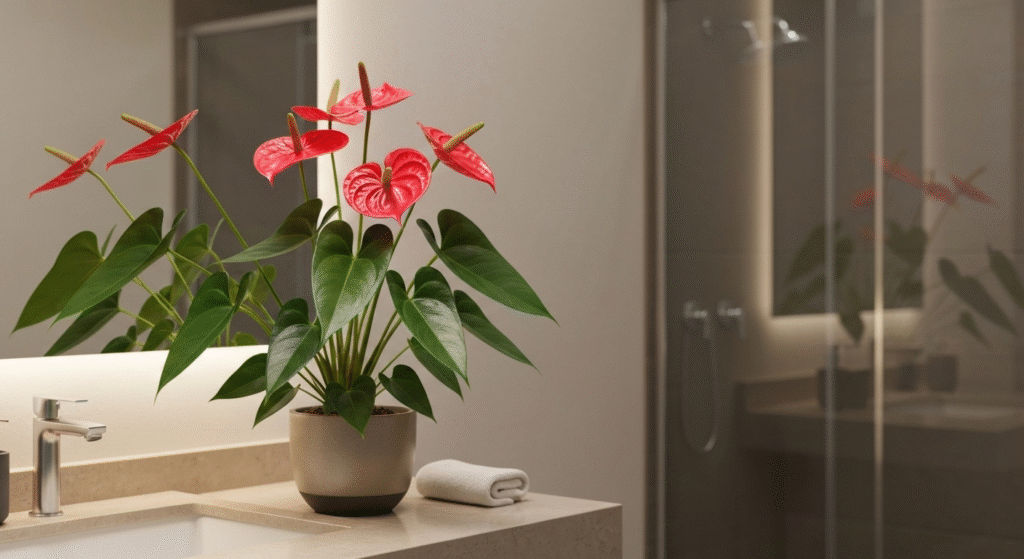
If you want a pop of brilliant, long-lasting color, look no further than the Anthurium. Their signature heart-shaped “flowers” are actually colorful, waxy leaves called spathes, and they can last for months. These plants are native to the warm, humid rainforests of Central and South America, so they feel right at home in a steamy bathroom.
The humidity helps keep their glossy leaves and colorful spathes looking vibrant and clean. Anthuriums need consistent warmth and bright, indirect light to produce a steady supply of blooms. They are a fantastic choice for a bathroom with a good light source, adding a truly exotic and modern touch to the space. Like orchids, they require a very well-draining soil mix to prevent root rot.
Bromeliads: The Low-Maintenance Tropical
Bromeliads are some of the most fascinating and easy-care tropical plants you can own. Many varieties, like Guzmania and Vriesea, are epiphytes that have a central “cup” or “tank.” In their natural habitat, this cup collects rainwater and debris. In your home, this is how you water them—by keeping the cup filled with fresh water.
They also absorb a significant amount of moisture from the air through special scales on their leaves, making a humid bathroom an absolutely ideal location. A Bromeliad will bloom only once with a spectacular, often colorful, flower spike. After the bloom fades, the mother plant will begin to produce offsets, or “pups,” which you can then pot up to create new plants.
Bromeliad vs. Orchid: A Quick Comparison
| Feature | Bromeliad | Orchid (Phalaenopsis) |
| Watering Method | Water is primarily held in the central “cup” or “tank.” | Water the potting medium (bark); roots must dry out between waterings. |
| Bloom Cycle | Blooms spectacularly once, then produces “pups” as the mother plant fades. | Can live and rebloom for many years with proper care and conditions. |
| Light Needs | Generally tolerant of a wider range, from low to bright indirect light. | Requires consistent bright, indirect light to encourage reblooming. |
| Maintenance Level | Very low; primarily involves keeping the cup filled. | Moderate; requires specific watering and occasional fertilizing. |
Matching the Right Plant to Your Bathroom’s Light
Choosing a plant that loves humidity is only half the battle. You must match it to the light you actually have. Placing the wrong plant in the wrong light is the most common reason for failure.
For Low-Light or Windowless Bathrooms
Your options for flowering are limited here, but not zero. The Peace Lily is your best bet, as it can tolerate very low light levels and still produce the occasional flower. Many Bromeliads will also survive, though they are unlikely to bloom without more light. If you have your heart set on more variety, the only real solution is to supplement with a grow light. A single full-spectrum LED bulb in a nearby lamp can be enough to support a small plant and encourage it to bloom.
For Bathrooms with Bright, Indirect Light
This is the sweet spot. A bathroom with a frosted window or one that receives light but no direct sunbeams is perfect for a wide range of plants.
- Phalaenopsis Orchids will thrive and rebloom consistently.
- Anthuriums will produce a steady stream of their colorful spathes.
- Begonias will flourish, showing off both their foliage and flowers.
- Most Bromeliads will be very happy in these conditions.
Plant Choices Based on Bathroom Light Levels
| Light Level | Best Flowering Choices | Key Considerations |
| Low Light (No window or north-facing) | Peace Lily, some Bromeliads | Flowering will be minimal. Supplement with a grow light for better results. |
| Medium/Bright Indirect (Frosted or east-facing) | Orchid, Anthurium, Begonia, Peace Lily, Bromeliad | The ideal condition for most tropical bloomers. Provides energy without scorching leaves. |
| Some Direct Sun (Unobstructed south/west window) | Use caution. Most tropicals will burn. A sheer curtain is needed to diffuse the light. | Direct sun is too intense for these humidity-loving plants. |
Essential Care Tips for a Thriving Bathroom Garden
Caring for plants in a high-humidity environment requires a slight shift in your routine. Because the air provides so much moisture, your main job is to avoid giving them too much of a good thing.
Watering in a High-Humidity Environment
The golden rule here is to water less often than you would for the same plant in a living room. The humid air slows down evaporation from the soil, meaning it stays wetter for longer. Always, always check the soil before you water. The best method is the finger test: stick your finger about an inch or two into the soil. If it feels damp, wait. If it feels dry, it’s time to water. Overwatering is the fastest way to kill a humidity-loving plant, as it leads directly to root rot, from which there is often no recovery.
Ensuring Proper Ventilation and Airflow
We’ve mentioned it before, but it’s worth repeating. Stagnant air is the enemy. Run your bathroom’s exhaust fan for 15-20 minutes after every shower. If you don’t have a fan, crack a window or leave the door wide open for at least an hour a day. This simple step is crucial for preventing fungal issues and keeping your plants healthy and breathing freely.
Frequently Asked Questions
Do I still need to fertilize my bathroom plants?
Yes, but likely less often. Most tropical plants have a growing season (spring and summer) and a dormant period (fall and winter). Fertilize with a balanced houseplant fertilizer at half-strength every 4-6 weeks during the growing season, and stop entirely in the winter.
Will soap scum or aerosols from hairspray harm my plants?
They can. Over time, a film can build up on plant leaves, clogging their pores and reducing their ability to photosynthesize. Once a month, give your plants a gentle wipe-down. You can carry them to the sink or shower and give them a quick rinse with lukewarm water or wipe each leaf with a soft, damp cloth.
What are some signs that the humidity might be too high?
If you see signs of powdery mildew (a white, dusty coating on leaves) or notice that the soil is taking more than a week and a half to dry out, you may have a ventilation issue. Increase airflow immediately by running a fan or opening a window more often.
Can I put a flowering succulent, like a Christmas Cactus, in the bathroom?
While a Christmas Cactus does appreciate a bit more humidity than a typical desert cactus, a constantly steamy bathroom is generally too moist for it. Succulents are prone to root rot in environments that don’t allow their soil to dry out completely and quickly. It’s better to stick to true tropicals.
Conclusion
Your bathroom is far more than just a utility room; it’s a ready-made greenhouse waiting to be filled with life. By choosing plants that are naturally adapted to high humidity, you are setting them up for success from day one. An orchid that thrives on steam, a peace lily that loves the lower light, or an anthurium that glistens in the moist air can completely transform the feeling of the space.
The key is to work with the environment you have. Assess your light, ensure good airflow, and water mindfully. With a little bit of knowledge, you can create a personal, spa-like retreat that is beautiful, alive, and blooming year-round. It’s a simple joy that makes the start or end of your day just a little bit brighter.