
Watering a flowering houseplant seems simple, but it’s one of the biggest challenges for indoor gardeners. You might have a plant that thrives in the summer, only to see it struggle as the seasons change. The truth is, a fixed watering schedule often does more harm than good. A plant’s thirst isn’t static; it changes dramatically with the shifting light and temperature of spring, summer, autumn, and winter. Understanding this rhythm is the key to keeping your flowering houseplants vibrant and healthy all year long. This guide will break down exactly how to adjust your watering routine for each season, ensuring your plants get the right amount of moisture when they need it most.
My name is Kamil Khan, and for years, I’ve been fascinated by the world of indoor flowers. My journey started with a single orchid, and it has since grown into a passion for understanding how these plants live and breathe within our homes. I’ve spent countless hours observing how different species respond to subtle environmental shifts. This has taught me that the most successful plant care comes from listening to the plant itself, rather than following rigid rules. Through my writing, I hope to share what I’ve learned, helping you build a more intuitive and rewarding connection with your own indoor garden.
Why Seasonal Adjustments Are Crucial for Flowering Plants
Before we get into the specifics of when to water, it’s important to understand why a plant’s needs change. Flowering houseplants, like all living things, follow natural cycles of growth and rest. These cycles are dictated primarily by light and temperature, which of course, change with the seasons. Trying to water a plant the same way in January as you do in July ignores its fundamental biology.
Here’s the breakdown of what’s happening behind the scenes:
- Growth and Flowering (Spring/Summer): During the long, bright days of spring and summer, most houseplants are in their active growth phase. They are busy producing new leaves, stems, and, most importantly, flowers. This process requires a tremendous amount of energy, which is created through photosynthesis. Water is a key ingredient for photosynthesis and for transporting nutrients throughout the plant. As a result, the plant’s water consumption is at its peak.
- Slowing Down (Autumn): As the days get shorter and the light becomes less intense in autumn, plants naturally begin to slow down. Their growth decelerates as they prepare for a period of rest. Because they are not working as hard, their demand for water decreases significantly. This is a critical transition period where many plant owners make the mistake of overwatering.
- Dormancy and Rest (Winter): Winter is a rest period for most flowering houseplants. With short days and low light levels, photosynthesis and growth come to a near standstill. The plant is essentially dormant, conserving energy until spring returns. During this time, its water needs are minimal. The soil will stay moist for much longer, and giving the plant too much water is the fastest way to cause root rot, a fatal condition.
The Best Way to Check Soil Moisture: The Finger Test
The single most reliable tool for determining when to water is your own finger. It’s a simple, foolproof method that tells you exactly what’s happening in the pot, taking guesswork out of the equation. Schedules like “water once a week” are unreliable because they don’t account for changes in temperature, humidity, or the plant’s growth stage.
How to Perform the Finger Test:
- Insert Your Finger: Gently push your index finger into the soil at the edge of the pot. Avoid getting too close to the main stem.
- Go Deep: Aim to insert your finger up to your second knuckle, which is about two inches deep. The surface of the soil can be misleadingly dry while the root zone is still wet.
- Assess the Moisture:
- If the soil feels moist or wet, and soil particles stick to your finger, the plant does not need water. Wait a few more days and check again.
- If the soil feels dry and falls off your finger easily, it’s time to water the plant thoroughly.
This technique helps you respond directly to your plant’s current needs, making it a far more accurate approach than watering on a fixed calendar day. I’ve found this simple check prevents the vast majority of common watering problems I see.
Your Seasonal Guide to Watering Flowering Houseplants
Understanding the plant’s life cycle is the first step. Now, let’s apply that knowledge to a practical, season-by-season watering strategy. Remember, these are guidelines to help you observe your plant—always rely on the finger test for the final decision.
Spring: The Season of Awakening
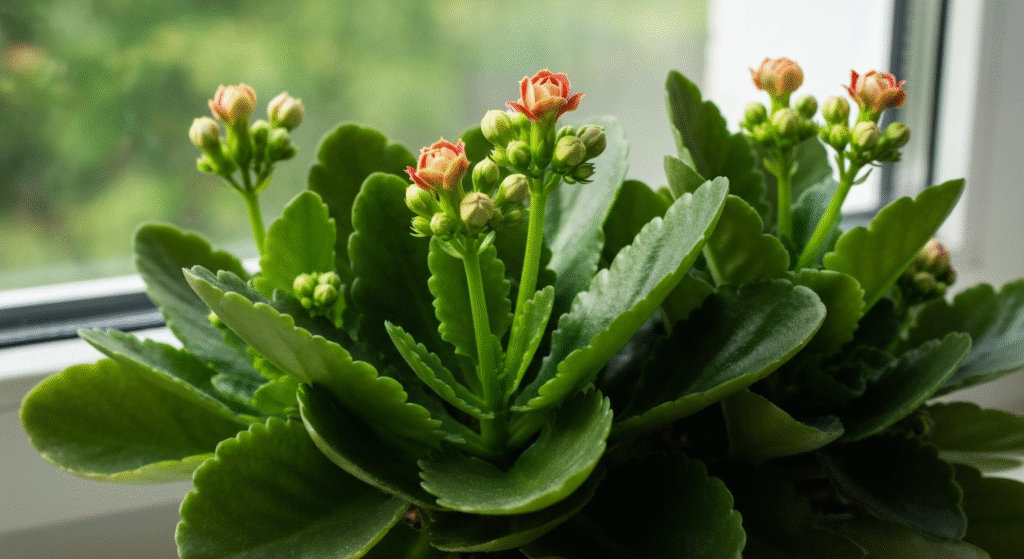
As days lengthen and the sun’s intensity grows, your plants begin to “wake up” from their winter dormancy. You’ll notice new leaves starting to unfurl and maybe even the first signs of flower buds. This is when their metabolism speeds up, and their thirst increases.
- Watering Frequency: Begin to increase how often you water. Where you might have watered every 3-4 weeks in winter, you may now need to water every 1-2 weeks. Check the soil every few days to monitor how quickly it’s drying out.
- Signs of Underwatering: In spring, new growth is soft and particularly sensitive to a lack of water. Look for wilting leaves, especially new ones, that don’t perk up overnight. Flower buds may also dry up and fall off before they have a chance to open.
- Signs of Overwatering: It’s easy to be over-eager in spring. Yellowing lower leaves are a classic sign of too much water. The soil may also develop a swampy smell or you might see fungus gnats hovering around the pot.
| Spring Watering at a Glance | |
| Plant Activity | Resuming active growth, producing new leaves and buds. |
| Water Needs | Gradually increasing. |
| Common Mistake | Increasing water too quickly before the plant is fully active. |
| Action Plan | Use the finger test every 5-7 days. Water thoroughly only when the top two inches of soil are dry. |
Summer: The Peak Growth Period
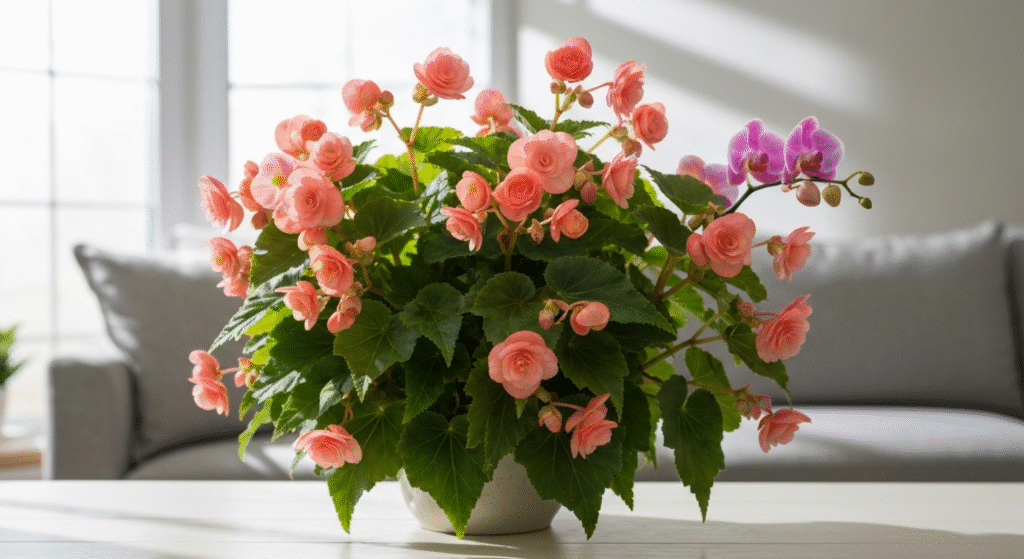
Summer is when your flowering houseplants are at their busiest. Long days, bright light, and warm temperatures fuel rapid growth and blooming. This is when they will be thirstiest. The combination of active growth and faster evaporation from the soil means you’ll be watering more frequently than at any other time of year.
- Watering Frequency: You may need to water some plants, especially smaller ones or those in terracotta pots, every few days. Large plants might go a week. The key is to check the soil often.
- Signs of Underwatering: In summer, this is the most common issue. Symptoms include dramatic wilting during the hottest part of the day, crispy brown leaf edges, and flowers that fade and drop quickly. The entire plant may look dull and lifeless.
- Signs of Overwatering: Though less common in summer, it can still happen, especially if a plant is in a pot without drainage. Look for yellowing leaves, a soggy base, and a general lack of vigor despite being watered. Root rot can set in quickly in warm, wet soil.
One summer, I noticed my prized hibiscus was wilting every afternoon, even though the soil felt slightly moist. I realized its high water demand during flowering meant it needed a deeper, more thorough watering than I was giving it, allowing moisture to reach the very bottom of the pot.
| Summer Watering at a Glance | |
| Plant Activity | Peak growth, active flowering, high rates of photosynthesis. |
| Water Needs | At its highest level. |
| Common Mistake | Not watering deeply enough, only wetting the top layer of soil. |
| Action Plan | Check soil every 2-4 days. Water thoroughly until it runs out of the drainage holes. |
Autumn: The Transition to Rest
As summer fades into autumn, your plants will sense the change. Shorter days and less intense sunlight signal them to slow down their growth and prepare for winter dormancy. Their water requirements will begin to drop steadily. This is the season where overwatering becomes a major risk again.
- Watering Frequency: Start extending the time between waterings. If you were watering every 4 days in summer, you might stretch it to 7-10 days in autumn. Your finger test is crucial here, as the change can be gradual.
- Signs of Underwatering: Since the plant is less active, it’s less likely to be underwatered. However, if your home’s heating system is running, the dry air can cause the soil to dry out faster than you expect. Watch for slight wilting or drooping leaves.
- Signs of Overwatering: This is the biggest danger in autumn. Continuing your summer watering schedule will saturate the soil. Look for yellowing leaves that fall off easily, mushy stems at the soil line, and soil that simply never seems to dry out.
| Autumn Watering at a Glance | |
| Plant Activity | Growth slows, flowering may cease, preparing for dormancy. |
| Water Needs | Steadily decreasing. |
| Common Mistake | Continuing with the summer watering frequency. |
| Action Plan | Use the finger test weekly. Allow the soil to dry out more between waterings. |
Winter: The Dormant Phase
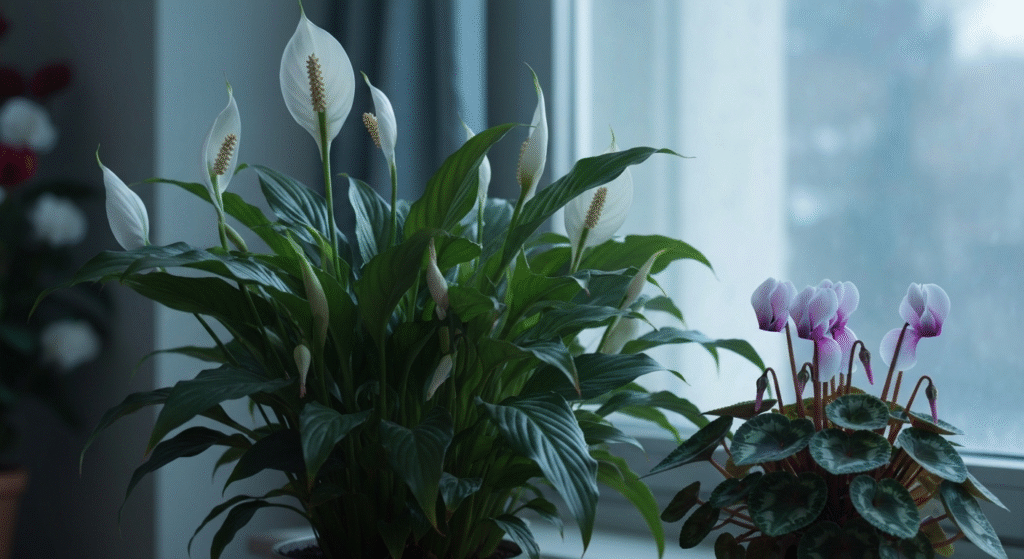
For most flowering houseplants, winter is a time of rest. Growth is minimal, if it happens at all. The plant is conserving energy, waiting for spring’s return. Consequently, its water needs are at their lowest point for the entire year. Overwatering in winter is the most common reason that houseplants do not survive until spring.
- Watering Frequency: Drastically reduce watering. Many plants may only need to be watered once every 3-4 weeks, or even less. The soil will take a very long time to dry out due to low light and cool temperatures.
- Signs of Underwatering: While rare, it can happen in very dry, heated homes. The plant may look a bit shriveled, and the leaves might lose their firmness.
- Signs of Overwatering: The signs can be subtle at first. Lower leaves may turn yellow and drop one by one. The most definitive sign is soil that remains damp for weeks on end. If you pick up the pot and it feels heavy, it likely has too much water. This stagnant moisture leads directly to root rot, which causes the plant to wilt as if it’s thirsty, confusing many owners into watering it even more.
| Winter Watering at a Glance | |
| Plant Activity | Dormant or resting, very little to no active growth. |
| Water Needs | At its lowest level. |
| Common Mistake | Watering out of habit, leading to root rot. |
| Action Plan | Check the soil every 2 weeks, but expect to water only once a month. Err on the side of too dry rather than too wet. |
Quick Comparison: Overwatering vs. Underwatering
Sometimes the symptoms can look similar (e.g., wilting). Here is a table to help you distinguish between the two core problems.
| Symptom | Usually Overwatering If… | Usually Underwatering If… |
| Yellow Leaves | Leaves feel soft and limp. Yellowing starts on lower leaves. | Leaves feel dry and crispy. Yellowing can be all over. |
| Wilting | The soil is wet to the touch. The plant doesn’t perk up after watering. | The soil is bone dry. The plant perks up within hours of watering. |
| Leaf Drop | Leaves (both yellow and green) fall off easily with a gentle touch. | Leaves (mostly brown and dry) are brittle and crumble. |
| Soil | Stays constantly damp, may have a foul odor, or grow mold. | Pulls away from the sides of the pot. Feels light and dusty. |
| Stems | May feel mushy or soft at the base. | May appear shriveled or wrinkled. |
Frequently Asked Questions
Does the type of pot I use affect my watering schedule?
Absolutely. Terracotta or clay pots are porous and allow water to evaporate through their sides, meaning the soil dries out much faster. Plastic or glazed ceramic pots are non-porous and hold moisture for longer. You will need to water plants in terracotta pots more frequently than those in plastic pots.
Should I use tap water for my flowering houseplants?
For most common houseplants, tap water is perfectly fine. However, some sensitive plants like Calatheas or orchids can be affected by the chlorine or minerals in tap water. If you have sensitive plants or very hard water, letting water sit out overnight can allow some chlorine to dissipate. Using filtered or rainwater is an even better option.
What is the best time of day to water my plants?
The best time to water is in the morning. This gives the plant all day to absorb the moisture it needs and allows any excess water on the leaves to evaporate before nightfall. Watering at night can sometimes encourage fungal diseases, as the leaves stay damp for a longer period in cooler temperatures.
How do I know if my pot has good drainage?
Good drainage means there are one or more holes at the bottom of the pot that allow excess water to escape freely. Without drainage, water pools at the bottom, suffocating the roots and causing root rot. If your decorative pot doesn’t have holes, keep your plant in a simple plastic nursery pot (with holes) and place it inside the decorative one. You can remove it for watering.
Conclusion
Learning to water your flowering houseplants seasonally is less about following a strict schedule and more about becoming a careful observer. By paying attention to the changing seasons and using the simple finger test, you can provide your plants with the care they truly need to not just survive, but to flourish. Your plants will reward you with more vibrant growth and beautiful blooms when you learn to give them a drink exactly when they’re thirsty. Ditching the calendar and trusting your observations is the most important step you can take toward becoming a more confident and successful indoor gardener.


Pingback: Why Your Indoor Flowers Are Drooping: Causes and Quick Fixes
Pingback: How to Make Indoor Flowers Bloom Again: Step-by-Step Revival
Pingback: 15 Indoor Flower Care Mistakes That Stop Blooms (And How to Fix Them)
Pingback: Indoor Flower Care 101: The Beginner’s Guide to Healthy Blooms
Pingback: How Often Should You Water Indoor Flowers? A Practical Schedule
Pingback: Overwatered vs Underwatered Indoor Flowers: How to Tell Fast
Pingback: Indoor Flower Care in Winter: Keep Plants Alive and Blooming
Pingback: Brown Leaf Tips on Indoor Flowers: What Your Plant Is Telling You