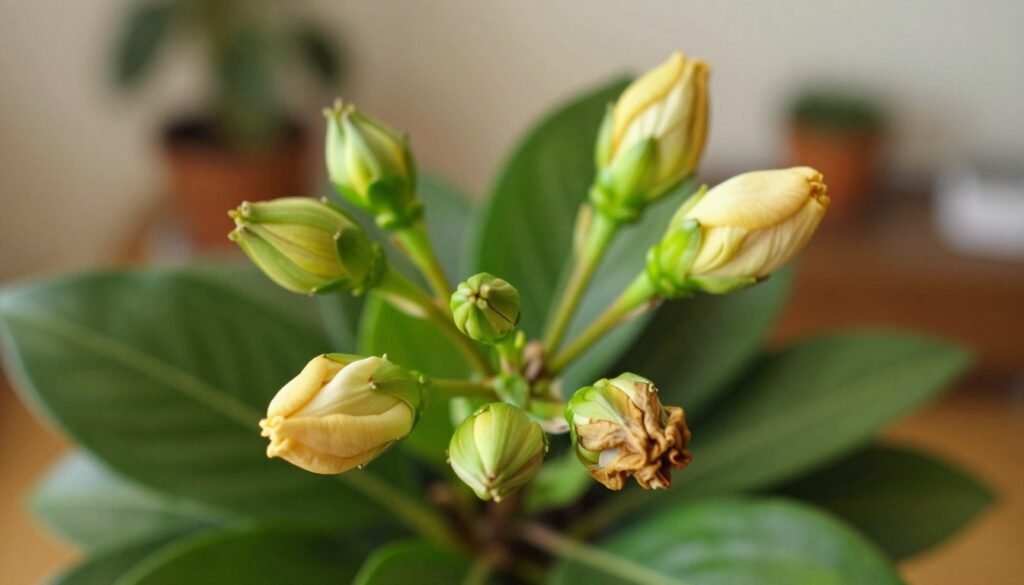

Surprising fact: many home growers report that up to half of a plant’s flower buds can abort within days after a sudden draft or repotting shock.
Bud drop is a rapid stress response where a plant sheds immature flower buds rather than waste energy on blooms it can’t support.
Indoors, the usual fast triggers are sharp temperature swings, inconsistent watering, low humidity, repotting or relocation shock, too much nitrogen, and pests or disease.
This guide sets a quick-win path: diagnose timing and recent changes, check the environment and soil, then apply targeted fixes that calm the plant in days.
Common victims include orchids, hibiscus, African violets, and gardenias — familiar houseplants that often show stress in their buds.
Key Takeaways
- Bud drop is a stress response plants use to conserve energy.
- Fast triggers indoors: temperature swings, watering swings, dry air, repotting, nutrient imbalance, and pests.
- Diagnose by timing and recent changes, then stabilize the environment first.
- Practical fixes can work in days: move, water correctly, and adjust humidity.
- Watch orchids, hibiscus, African violets, and gardenias closely while they form blooms.
Understanding bud drop indoors and why plants shed flower buds
A plant’s decision to shed a flower bud often starts when it must choose between growth and survival. This choice happens during a narrow stage after a bud appears but before it opens, when the plant shifts resources toward reproduction.
How buds move from formation to bloom
- Formation – a tiny bud appears at the stem tip.
- Swelling – the structure gains size and energy.
- Color change – pigment and scent begin to develop.
- Opening – the bloom unfolds if conditions hold.
The energy shift that triggers loss
Energy is limited. When a plant sends more energy into reproduction, any shortfall in light, water, humidity, or steady temperature can trigger a protective drop.
This is an active survival move, not random damage. Timing gives a clue: tiny loss soon after formation often signals environment issues, while larger drops near the last stage point to root stress, nutrient imbalance, or pests.
Why lead bud drop matters
Losing the lead bud — the first or largest bloom — is an early warning. Lead bud drop shows the plant may selectively shed the most costly bud to conserve resources.
Shriveling usually means moisture or humidity problems. Clean, sudden detachment often signals shock, nutrient trouble, or pest pressure. Ask: why now? Check recent changes in the last one to two weeks.
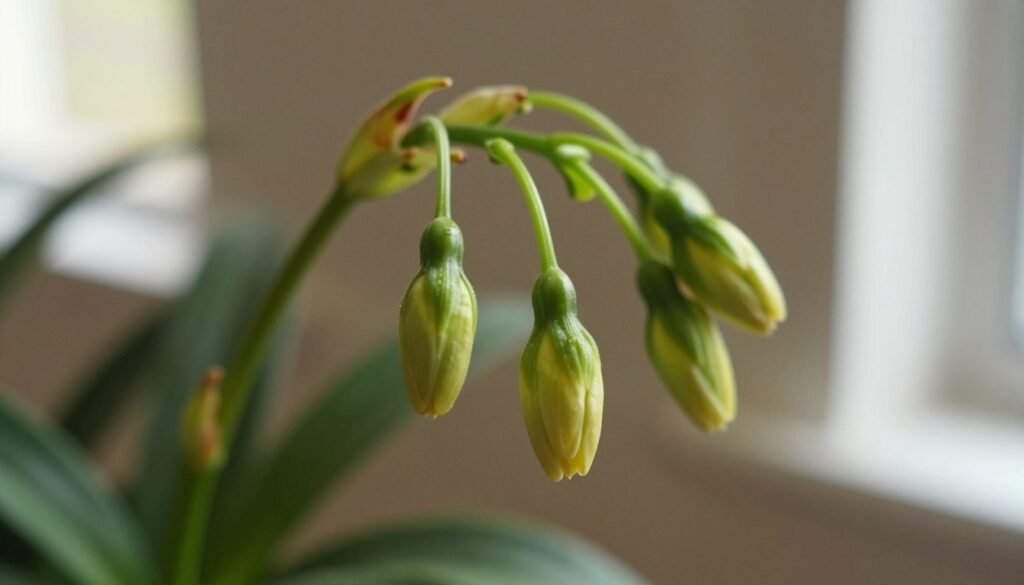
Goal: steady care to support healthy bud development. Stability in light, watering rhythm, and temperature is the best defense against further bud drop.
How to diagnose buds falling off before opening indoor
Start by asking: “What changed?” Note moves, repotting, new fertilizer, or a different watering rhythm in the last 7–14 days. This quick step often reveals the main cause.
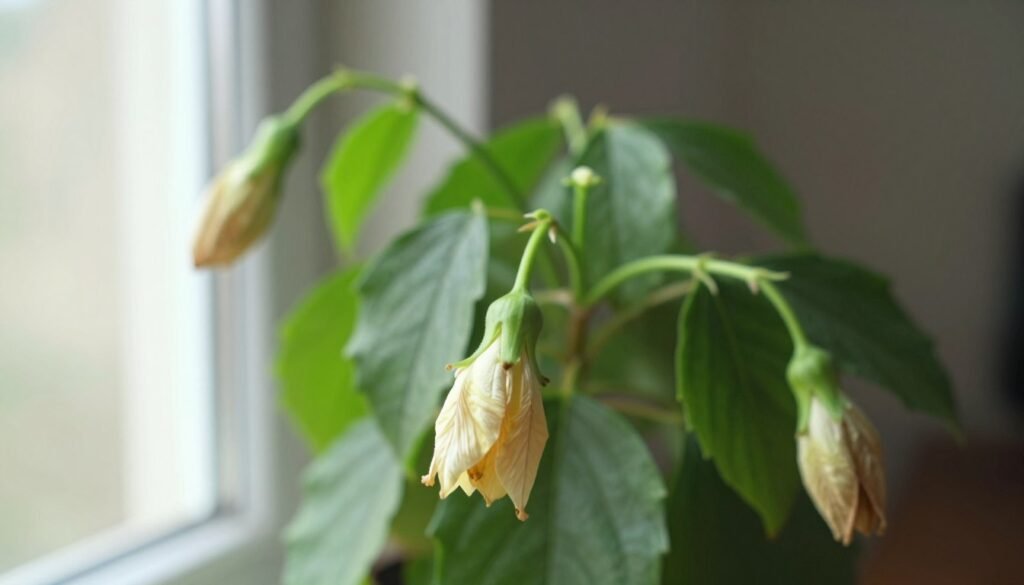
Check timing
Tiny new growth that drops soon after forming usually points to light, humidity, or moisture swings. If larger, plump blooms shed just before opening, suspect stress from roots, nutrient imbalance, or pests.
Compare recent changes
- List any shelf moves, window exposure shifts, heater use, or fertilizer swaps.
- Note watering frequency and any sudden increases or skips.
Assess environment and soil
Measure light and humidity with low-cost meters. Watch for 5–10°F swings near vents or cold glass and feel the air for dryness.
Check soil drainage: water should pass through pot holes and not pool. Gently unpot if you suspect root rot—brown, mushy roots signal overwatering.
Pest and tracking checklist
- Inspect buds and leaf undersides for aphids or spider mites.
- Scan soil surface for fungus gnat activity.
- Track water dates, fertilizer use, and temperature/humidity readings to spot patterns before the next drop.
Common indoor causes of dropping buds: environment, moisture, and nutrient imbalance
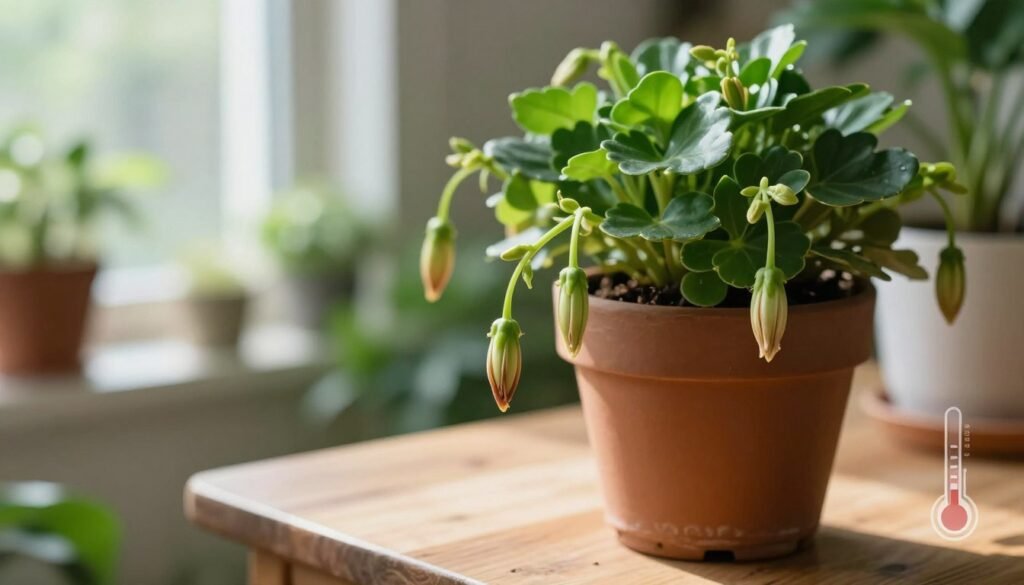
Small, sudden shifts in a plant’s microclimate are the top reason flower buds abort indoors. Pinpointing the local trigger helps match the right fix fast.
Temperature stress from vents, windows, and day‑to‑night swings
What’s happening: a plant next to a vent or cold glass sees quick swings that feel like brief freezes or gusts. Why it causes drop: rapid temperature change interrupts development and makes the plant shed costly flower tissue to save energy.
Low humidity and why tropical flowering plants are vulnerable
What’s happening: dry air pulls moisture from thin flower tissue first. Why it causes drop: low humidity dehydrates delicate buds faster than leaves, so orchids and anthuriums show stress sooner.
Inconsistent watering and soil moisture swings
What’s happening: soil cycling from soggy to parched stresses roots. Why it causes drop: roots can’t supply steady water, so the plant aborts the flower to survive. Use the finger test—top inch dry = water.
Nutrient imbalance and excess nitrogen
What’s happening: too much nitrogen favors leafy growth over blooms. Why it causes drop: a nutrient imbalance reduces flower development; switch to a bloom fertilizer higher in phosphorus (example ratio: 10-30-20).
Pests, diseases and infections that trigger bud loss
What’s happening: sap feeders or larvae damage tissue and roots. Why it causes drop: weakened buds can’t develop. Look for sticky residue (aphids), fine webbing (spider mites), tiny flies near soil (fungus gnats), or gray fuzzy rot (botrytis).
- Quick symptom clues: sticky residue = aphids; webbing = spider mites; tiny flies = fungus gnats; gray mold = botrytis.
- Match the clue to action: move from drafts, raise humidity, steady watering, or treat pests.
Fixes that work fast to stop buds drop and protect healthy bud development
Quick wins first: steady conditions now can save most forming blooms.
“Move fast, steady care wins — stabilize the environment and hands-off is often the best medicine.”
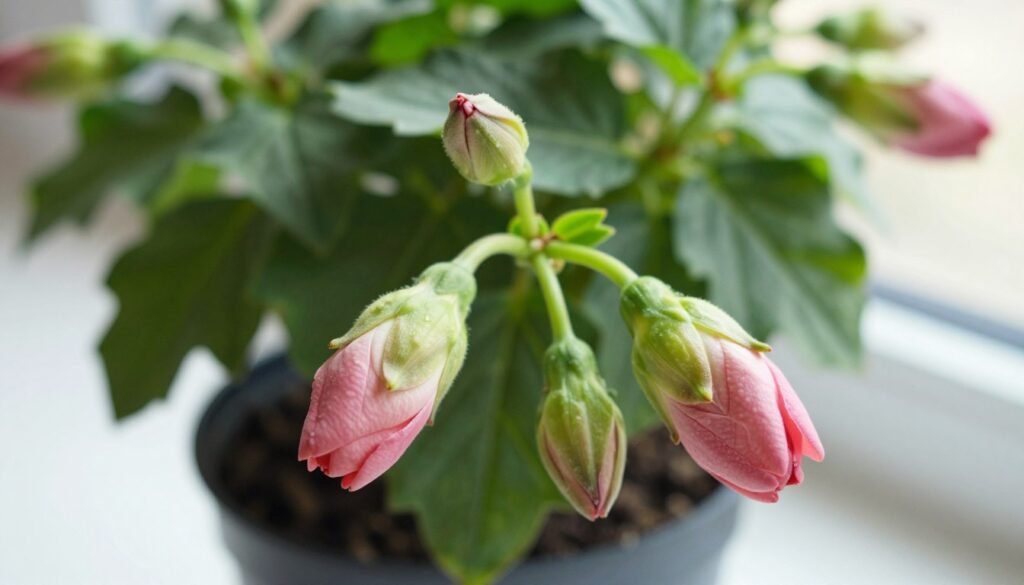
Stabilize temperature
Move plants away from heaters, AC vents, and cold glass. Small swings in temperature trigger bud drop quickly.
Raise humidity
Use a pebble tray, group plants, or run a small humidifier for steady humidity. Gentle morning misting helps but don’t overdo it in low-ventilation rooms.
Water and light
Use the finger test or a moisture meter to keep soil even. Avoid the forget‑then‑flood cycle that causes moisture stress and halts bud development.
Move to brighter indirect light or add a clip-on grow light so blooms get 6–10 hours daily.
Fertilizer, pests, and roots
Switch to a bloom fertilizer lower in nitrogen and higher in phosphorus (example 10-30-20), diluted every 2–3 weeks.
Inspect weekly and treat early with neem oil or insecticidal soap as part of safe pest control methods. Quarantine infested plants.
If soil stays sour, unpot and reset roots into well-draining soil to end root stress and correct any nutrient imbalance.
- Do these first: steady temperature, steady watering, raise humidity, and stop moving the plant.
Conclusion
When a plant drops flower tissue, it is signaling that something in its care or microclimate needs fixing.
Stability wins, so prioritize steady temperature, humidity, light, and even watering to stop bud drop fast.
Check timing, list recent changes, then measure temperature and humidity. Confirm light and inspect soil and pests in that order. These steps reveal the main issue most often within a week.
Use a simple routine: consistent watering, steady light, and a weekly pest check. Keep a short log of water dates, fertilizer, and room conditions so healthy bud development becomes predictable over time.
Tip: fix one clear stressor, give the plant time, and many flowering plants recover on their own.